Vietnam Launches First Domestic Primary Aluminum Production
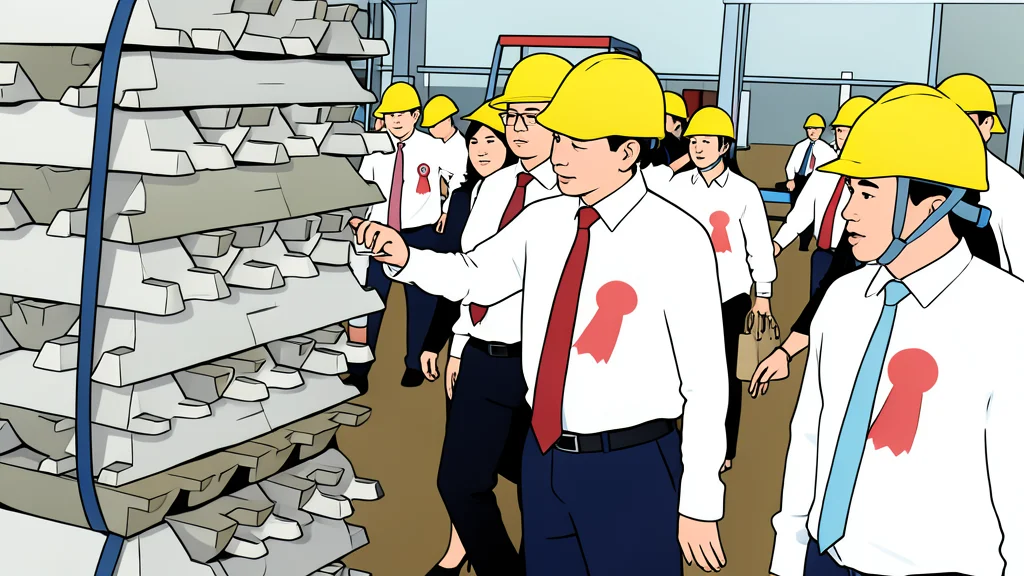
Dak Nong Aluminum Electrolysis Plant marks the completion of Vietnam's bauxite-to-aluminum value chain, aiming to reduce $1.5 billion in annual imports by 2027.
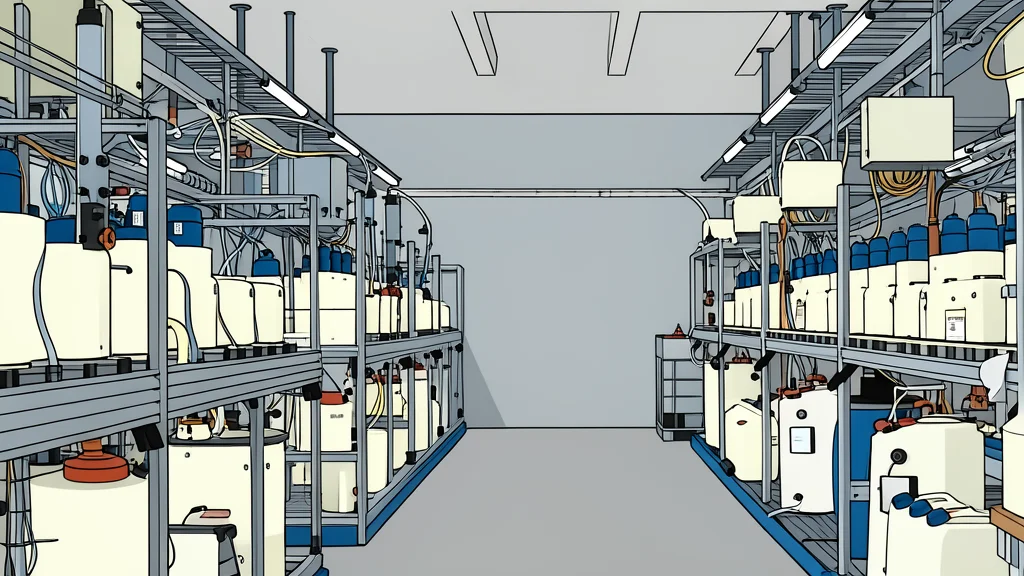
Vietnam has secured its first domestically produced primary aluminum ingots, marking the completion of the final link in the national bauxite-alumina-aluminum value chain. The milestone was achieved on July 26 at the Dak Nong Aluminum Electrolysis Plant in Lam Dong Province, where the facility unveiled ingots with a purity of 99.71 percent. This development follows an 11-year effort to establish a complete domestic production cycle, ending reliance on imported raw materials for downstream manufacturing.
The project represents a significant industrial investment exceeding VND18.423 trillion, approximately US$708 million, spread across nearly 130 hectares of land. As the country’s first pilot primary aluminum facility, it is situated in Lam Dong, the primary hub for Vietnam’s bauxite reserves. The plant’s initial operational phase is set at a capacity of 150,000 tonnes per year, with plans to scale up to 300,000 tonnes by the end of the current year and reach its full designed capacity of 450,000 tonnes in 2027.
Reducing Annual Import Dependencies
The establishment of domestic production directly addresses Vietnam’s substantial reliance on foreign supply, with the country currently spending an average of US$1.5 billion annually to import primary aluminum. These imports are critical for sectors including construction, manufacturing, and consumer goods. By internalizing the electrolysis process, the plant aims to provide a stable raw material feedstock for rolling, drawing, casting, and extrusion industries, thereby strengthening the domestic industrial ecosystem and enhancing long-term supply security.
Government officials have framed this achievement as a shift from simple resource extraction toward higher-value processing and technological mastery. Deputy Prime Minister Phan Van Giang emphasized that mastering electrolysis technology provides momentum for the metallurgy sector to develop deeper processing capabilities. The state’s policy now focuses on synchronizing the entire value chain, from mining and alumina production to the creation of high-value aluminum products, while maintaining environmental standards and resource protection.
Managing Energy and Environmental Constraints
The operational scale of the facility presents significant energy challenges, with each tonne of electrolyzed aluminum consuming between 13,000 and 15,000 kWh of electricity. At full capacity of 450,000 tonnes, the plant’s annual electricity demand will reach approximately 6 billion kWh. Tran Hong Quan, the investor, noted that securing a stable power supply remains a critical coordination task for Lam Dong authorities to ensure uninterrupted production and manage the associated infrastructure costs.
Environmental management poses additional hurdles, particularly regarding site stability and waste byproducts. Between 2018 and 2020, five subsidence incidents at the Nhan Co Industrial Park caused over VND55 billion in damages, attributed to groundwater accumulation and inadequate soil compaction. Furthermore, the process generates substantial red mud, with each tonne of alumina producing roughly 1,049 kilograms of dry residue with a high pH of 11-13. While research into utilizing the iron-rich mud for steel and bricks is ongoing, large-scale industrial adoption of these solutions has yet to be realized.
Leveraging Central Highlands Bauxite Reserves
The location of the plant in Lam Dong is strategic, as the province holds the majority of Vietnam’s estimated 5.8 billion tonnes of bauxite reserves. This geographic concentration allows for a more efficient supply chain, reducing transportation costs for raw materials. The integration of mining, processing, and electrolysis in one region is intended to create a cohesive industrial cluster that maximizes economic value while minimizing logistical inefficiencies associated with fragmented supply chains.