WTIVs Need 2,500t Cranes and Rare Earth Magnets for 18 MW Turbines
Modern installation vessels rely on heavy lifts and REE-based motors to deploy next-gen turbines, creating supply chain dependencies.
Key points
- WTIVs now feature 2,500-tonne cranes and 150-meter hook heights to install 14-18 MW turbines.
- NdFeB magnets using neodymium and praseodymium provide the high torque needed for vessel thrusters.
- Rare earth supply chains directly impact the delivery schedules of newbuilds and retrofit projects.
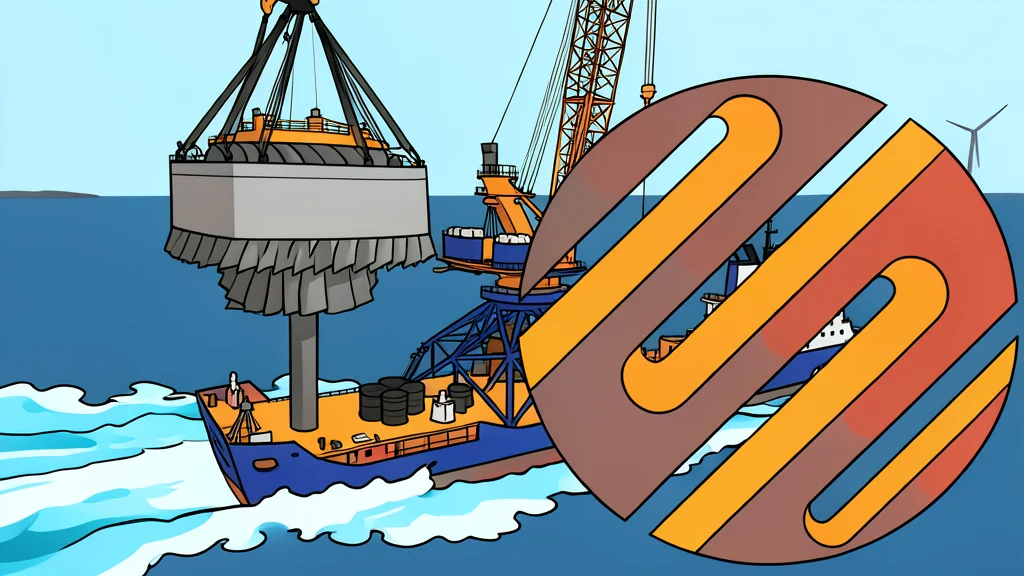
Wind turbine installation vessels have evolved to handle crane capacities exceeding 2,500 tonnes and hook heights above 150 meters. This infrastructure upgrade directly supports the serial production of 14 to 18 megawatt turbines, which require higher lift weights and robust dynamic positioning systems to operate in harsher metocean conditions.
The operational capability of these ships hinges on high-torque electric drives and precision sensing systems. As noted by Rare Earth Exchanges, these components depend on rare earth elements to maintain efficiency and signal quality under marine vibration and corrosion, linking upstream mining to downstream offshore wind capacity.
Magnetic Materials Drive Vessel Propulsion
Neodymium and praseodymium form the core of NdFeB permanent magnets used in thrusters, azimuthing propulsors, and winches. These magnets provide significantly higher torque per unit volume than alternative materials, a critical factor given the limited machinery space on vessels already packed with jacking systems and crane infrastructure.
Dysprosium and terbium are integrated into these alloys to increase coercivity, ensuring the magnets resist demagnetization under sustained high loads and thermal stress. This material composition allows the propulsion systems to maintain precise station-keeping over monopile foundations without mechanical failure.
Supply Chain Risks Affect Delivery
The reliance on specific rare earth elements creates direct exposure to supply chain disruptions for vessel newbuilds and retrofits. Project teams must account for these material dependencies when scheduling installation campaigns, as shortages can delay the availability of critical propulsion and sensing components.
Future Focus on Material Substitution
Industry planning for 2026 includes evaluating substitution technologies and recycling processes to reduce dependence on concentrated rare earth sources. Policy-driven supply diversification is becoming a key consideration for operators seeking to secure long-term vessel availability for expanding offshore wind projects.