Data Center Load Drives Grid Diversification Push in Southeast
Dominion Energy projects a fivefold increase in electricity load by 2038 as data center expansion reshapes utility planning and residential cost structures in Virginia.
Electricity demand in the Southeast is accelerating due to rapid data center expansion, creating significant strain on existing grid infrastructure. Dominion Energy projects that load in its Virginia service territory will increase fivefold by 2038, driven by facilities that now consume power equivalent to medium-sized power plants. This surge threatens to shift infrastructure costs onto residential customers, with studies suggesting typical households could face monthly bill increases of up to $37 by 2040 under high-growth scenarios.
The financial impact on ratepayers is a central concern as utilities attempt to balance commercial growth with residential affordability. Recent polls indicate that seven out of ten Americans oppose the construction of nearby data centers, primarily citing energy affordability. In response, legislative measures such as the Ratepayer Protection Act aim to assign the costs of new transmission lines and generation capacity to technology firms rather than spreading the burden across all household accounts.
Grid Vulnerability During Extreme Weather Events
Extreme weather events exacerbate these structural risks by simultaneously increasing demand and disrupting fuel supply chains. Winter Storm Fern caused a 16% spike in natural gas prices, setting all-time records for average daily prices across regional markets as sub-zero temperatures compromised fossil fuel infrastructure. Conversely, the July 4 heatwave in New England demonstrated the stabilizing effect of diversified generation, where utility-scale wind and solar resources reduced reliance on volatile natural gas supplies during peak demand periods.
These incidents highlight the fragility of grids heavily dependent on single fuel sources. Sudden spikes in natural gas consumption and pricing expose vulnerabilities that diversified energy mixes can mitigate. Utilities are increasingly looking to resources that do not require fuel delivery to maintain reliability during critical stress points, ensuring that residential customers are insulated from spot-market volatility.
Wind Energy Provides Cost-Effective Grid Reliability
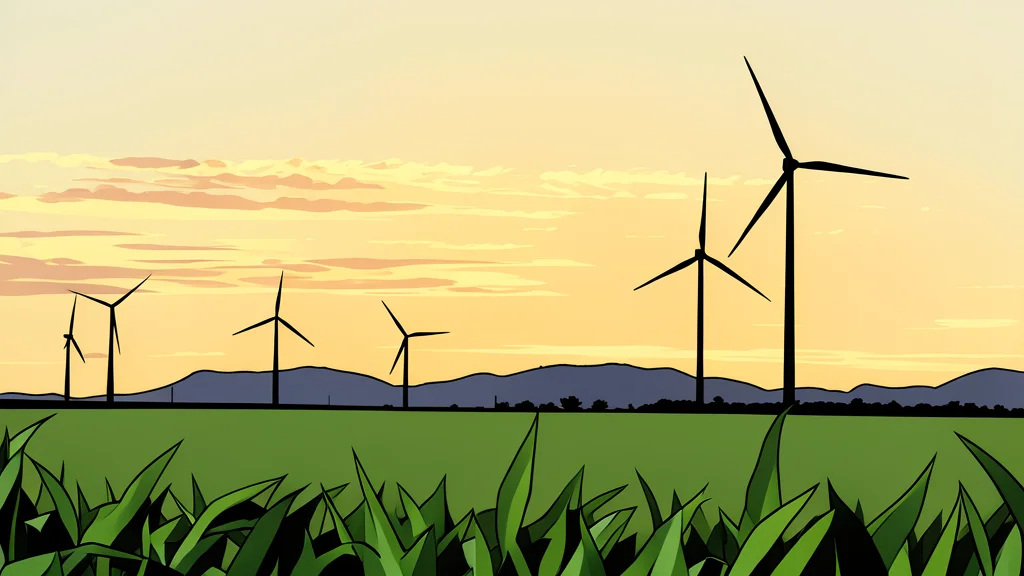
Wind energy is emerging as a critical component for maintaining grid stability while managing costs. The South Fork Wind farm, the first commercial-scale offshore wind project in the United States, has supplied power to approximately 70,000 homes since its 2024 launch. During a June 2025 grid emergency in New York, the facility operated at an 87.4% capacity factor during peak evening hours, delivering reliable electricity when demand reached critical levels.
The economic profile of such projects supports their integration into utility planning. South Fork Wind costs the typical residential customer roughly $1.58 per month, a fixed expense that helps hedge against variable fuel prices. This predictability contrasts with the volatile costs associated with fossil fuel generation, providing a stable baseline for utility rate structures. Public support remains strong, with 74% of voters favoring offshore wind construction and 84% supporting broader renewable energy adoption, signaling a clear preference for diversified, fuel-independent power sources to protect household budgets.