UMH Properties Balances Affordable Housing Demand with Expansion Costs
UMH Properties is leveraging modern manufactured home designs to address affordability gaps, while managing the capital intensity of geographic expansion across key U.S. regions.
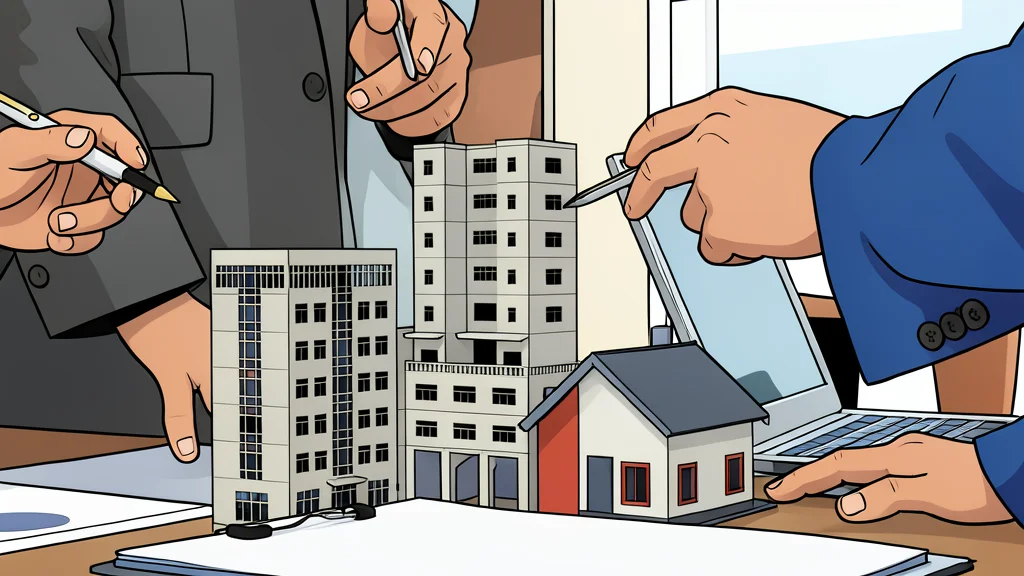
UMH Properties (NYSE:UMH) is repositioning its business model by integrating modern manufactured home designs with its existing land ownership strategy. The company recently showcased new residential structures at the U.S. Department of Housing and Urban Development’s Innovative Housing Showcase, highlighting how factory-based construction can reduce costs compared to conventional site-built homes. This move shifts the company's narrative from pure community management to product innovation, aiming to capture households seeking affordable alternatives to single-family properties and apartments.
The strategy relies on a dual approach of operational efficiency and geographic diversification. By standardizing the building process through manufacturing, UMH aims to mitigate the high labor and material costs associated with traditional construction. Simultaneously, the company continues to expand its footprint across the Midwest, Northeast, and Southeast, using acquisitions and new development to increase the total number of available homesites. This geographic spread allows UMH to hedge against regional demographic shifts and varying housing supply conditions.
Manufactured Housing Drives Affordability
The core of UMH’s value proposition lies in the cost structure of manufactured housing. Unlike traditional residential construction, which is subject to volatile on-site labor rates and material prices, factory production offers a more standardized and predictable cost base. This efficiency is critical for serving price-sensitive renters and buyers who are priced out of the conventional housing market. The recent showcase activity underscores UMH’s effort to modernize the aesthetic and functional aspects of these homes, ensuring they meet contemporary residential standards while maintaining the financial advantages of off-site production.
For the company, this product evolution directly supports occupancy trends and rental activity. By offering a more attractive and modern housing option, UMH aims to strengthen demand within its existing communities. This approach differentiates the company from peers who may rely solely on land appreciation. The integration of design innovation with community management creates a more resilient revenue stream, as it addresses the fundamental driver of demand: the need for accessible, high-quality housing options in a tight market.
Expansion Requires Capital Discipline
While product innovation drives demand, UMH’s growth trajectory remains dependent on its ability to expand its physical footprint. The company has historically used acquisitions of existing communities and the development of new sites to increase its asset base. This expansion strategy broadens geographic exposure and adds more homesites to its operating portfolio. However, this growth model is capital-intensive, requiring significant financial resources for property purchases, community improvements, and infrastructure upgrades.
The cost of capital is a critical variable in this equation. Elevated borrowing costs can pressure the economics of new acquisitions and development projects, potentially slowing the pace of expansion. UMH must therefore balance the desire for growth with the need for financial discipline. The company’s ability to manage interest costs while executing its development pipeline will determine the sustainability of its expansion strategy. This balance is essential for maintaining profitability while continuing to add capacity in key regional markets.
Geographic Diversification Mitigates Regional Risk
UMH’s presence across the Midwest, Northeast, and Southeast provides a buffer against localized economic downturns or housing supply shocks. Each region has distinct demographic conditions, employment patterns, and housing supply characteristics. By operating in multiple markets, the company reduces its reliance on any single geographic area. This diversification is a key structural advantage, as it allows UMH to maintain stable occupancy levels even if one region experiences a softening in demand.
The company’s strategy is closely tied to the broader trends in U.S. real estate, where affordable housing remains a central theme. As conventional construction costs continue to rise, the demand for manufactured housing solutions is likely to persist. UMH’s focus on combining affordable product design with a diversified community portfolio positions it to benefit from these structural shifts. The company’s recent activities, as noted by GN auto stocks/real-estate: property stocks, reflect a broader industry trend toward innovative housing solutions that address both affordability and quality.