Apple Unveils A20 Pro Chip on TSMC 2nm Node

Apple launched the iPhone 18 Pro and iPhone Duo featuring the A20 Pro chip, marking a transition to TSMC's 2nm process. While this upgrade enhances hardware efficiency, TSMC's revenue trajectory now outpaces Apple's as data center demand reshapes their client hierarchy.
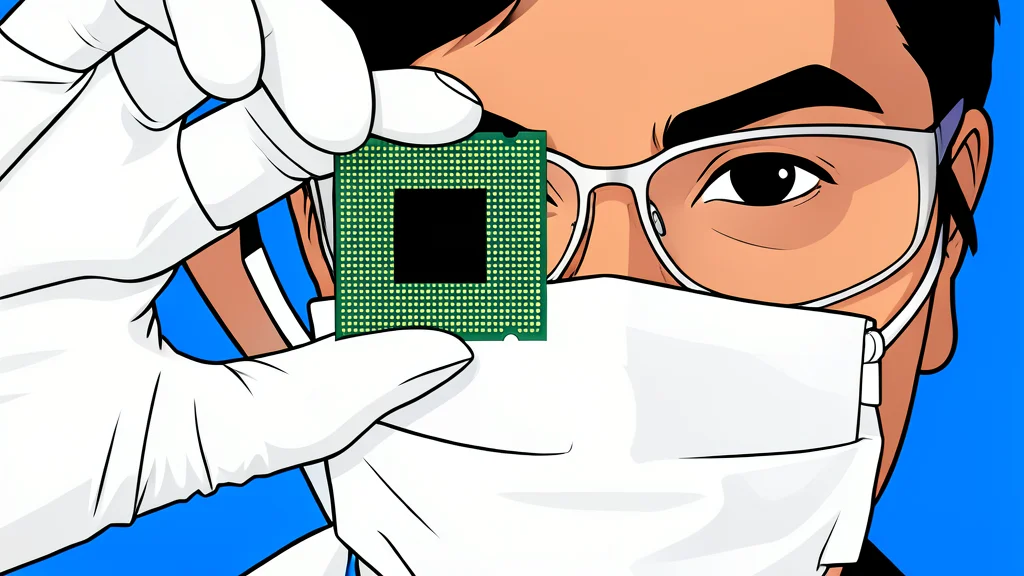
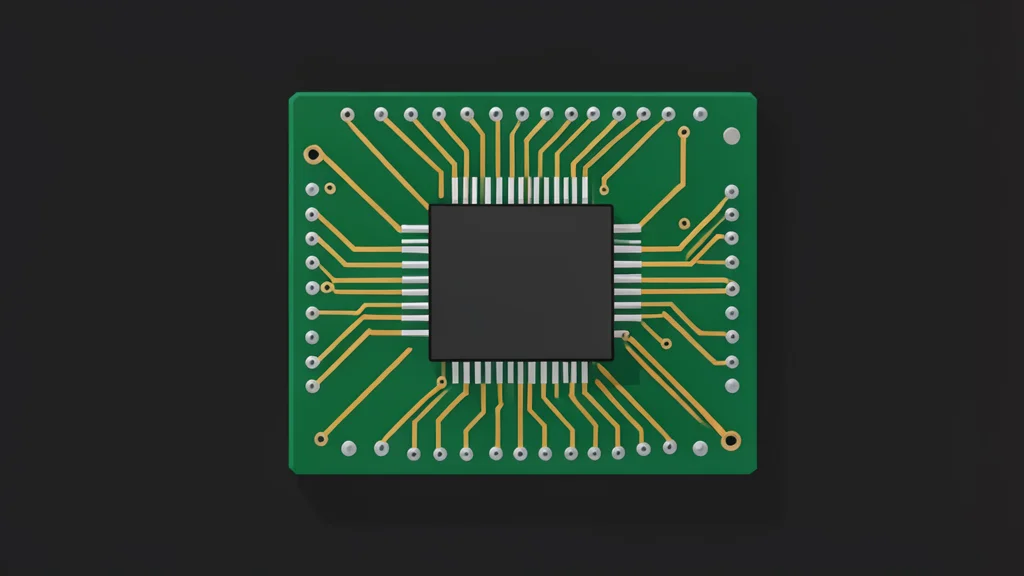
Apple has introduced the A20 Pro chip in its new iPhone 18 Pro and Pro Max models, as well as the folding iPhone Duo. This silicon relies on Taiwan Semiconductor Manufacturing (TSMC) 2-nanometer production process, replacing the previous 3nm node. The shift allows for higher transistor density in a smaller footprint, improving compute performance while lowering energy consumption for end users.
According to GN stocks/chips, this hardware release occurs against a backdrop of shifting market dynamics. Apple was traditionally TSMC's largest customer, accounting for 25% of foundry sales in 2023. That share declined to 19% in 2025 as Nvidia emerged as the dominant client due to artificial intelligence infrastructure demands. This structural change reduces Apple's relative bargaining power within the supply chain.
TSMC Growth Outpaces Apple
Forward-looking financial projections highlight a significant divergence in momentum. Analysts expect TSMC revenue to grow by 43% in 2026 and 34% in 2027. In contrast, Apple’s projected revenue growth is substantially lower, estimated at 15% for the current year and 10% for the following year. This gap reflects Apple's slower adoption of AI features compared to competitors, limiting its ability to leverage new hardware capabilities for broader ecosystem monetization.
The disparity in growth rates suggests that TSMC is better positioned to benefit from the ongoing expansion of data center infrastructure. Apple's reliance on hardware sales without a dominant AI subscription model creates a valuation mismatch. While the 2nm chip improves device metrics, it does not fully offset the broader market's preference for companies driving AI infrastructure growth.
Valuation Reflects Growth Trajectory
Market valuation currently favors TSMC due to its stronger growth outlook. Apple faces pressure from its lackluster AI integration, which has failed to match the capabilities offered by rival platforms. As AI features become standard expectations for smartphone users, Apple's current strategy risks leaving it behind in a critical technological shift. TSMC, meanwhile, benefits from serving multiple high-growth clients, including Nvidia, ensuring diversified revenue streams.
The transition to 2nm technology represents a technical milestone for Apple, but the financial implications are more favorable for the foundry. TSMC's ability to capture demand from both consumer electronics and data centers provides a more robust growth engine. Apple must accelerate its AI software development to justify its premium valuation relative to its hardware growth rate.