Apple's A20 Pro Launch Marks Shift in TSMC Client Hierarchy
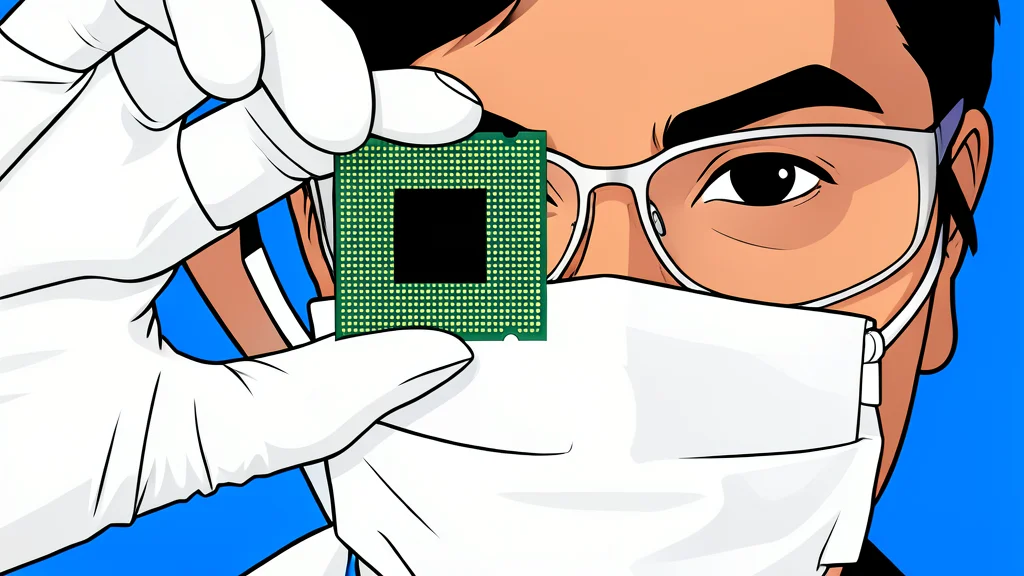
Apple's new A20 Pro chip utilizes TSMC's 2-nanometer process, but Nvidia's rising demand has displaced Apple as the foundry's top revenue source.
Apple has integrated its new A20 Pro chip into the iPhone 18 Pro, Pro Max, and the new iPhone Duo. This transition marks a significant technical shift as the chip is manufactured using Taiwan Semiconductor Manufacturing's latest 2-nanometer process. This upgrade replaces the previous 3-nanometer standard, allowing for higher transistor density in a smaller physical footprint. The result is improved computing power and lower energy consumption for the end user.
While this hardware advancement solidifies Apple's product pipeline, the broader relationship between the two companies is evolving. Historically, Apple was the largest customer for TSMC. However, the surge in demand for data center GPUs has altered this dynamic. According to reports cited by GN stocks/chips, Nvidia has recently surpassed Apple to become TSMC's primary revenue driver. This shift reflects the massive capital expenditure currently flowing into artificial intelligence infrastructure.
Nvidia Overtakes Apple in Foundry Revenue Share
The financial impact of the AI build-out is evident in TSMC's client concentration data. In 2023, Apple accounted for 25% of TSMC's total sales. This figure declined to 22% in 2024 and further dropped to 19% in 2025. Conversely, the share attributed to Nvidia, identified as the second-largest client, grew from 11% in 2023 to 17% in 2025. This trend suggests that data center workloads are now generating more foundry revenue than consumer electronics.
Apple Faces Intensifying AI Competition
Apple's business model remains focused on consumer hardware, yet it faces growing pressure in the software and AI sectors. The company's Apple Intelligence features have not yet matched the market expectations set by competitors. As AI capabilities become a primary differentiator for devices, this gap poses a strategic risk. The inability to rapidly adopt advanced AI features may limit Apple's ability to command premium pricing in the coming years.
Bargaining Power Erosion for Apple
The shift in TSMC's revenue mix has implications for Apple's negotiation leverage. With Nvidia now the top client, TSMC's production capacity is increasingly dedicated to high-margin AI chips. This structural change could reduce Apple's influence over pricing and allocation. As the foundry prioritizes the accelerating demand for data center infrastructure, Apple may find itself in a more subordinate position within the supply chain.