TSMC Outpaces Apple on Growth Metrics Amid AI Shift
Apple’s new A20 Pro chip marks a 2nm manufacturing milestone, but the foundry partner is positioned for stronger revenue growth driven by data center demand rather than consumer hardware.
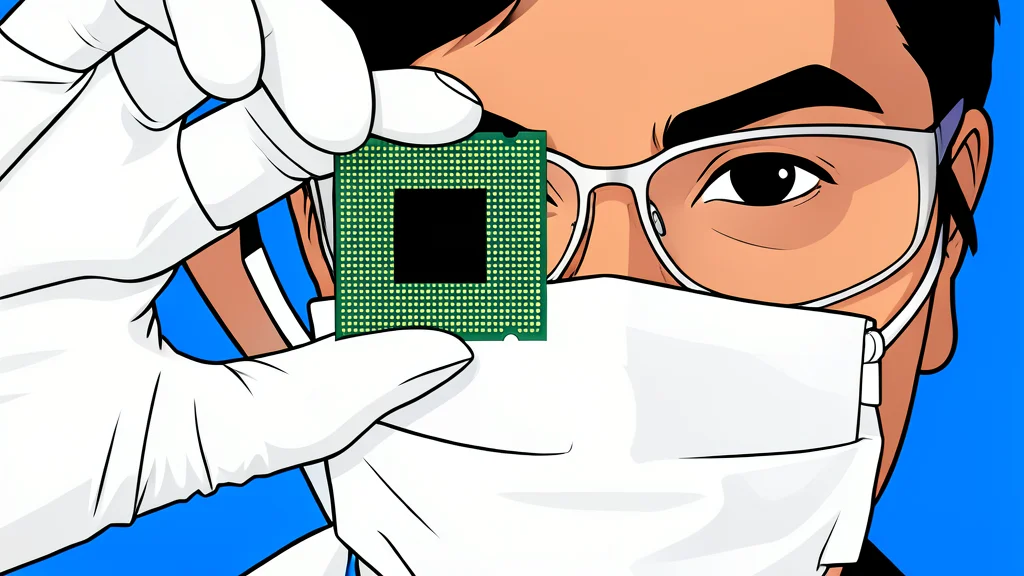
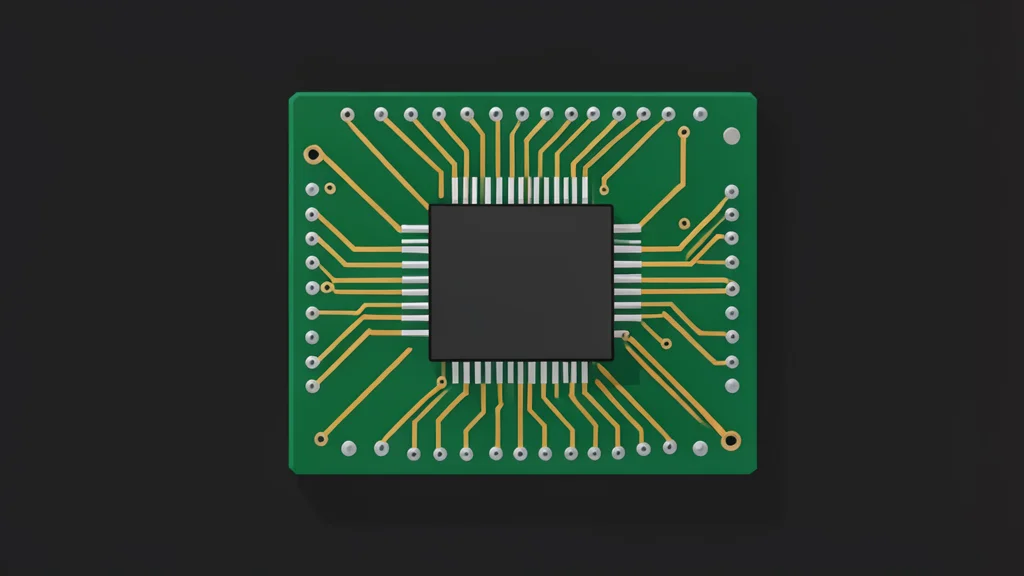
Apple has introduced the A20 Pro chip in its latest iPhone 18 Pro lineup and the new iPhone Duo, a device built on Taiwan Semiconductor’s most advanced 2-nanometer production process. This technological step down from the previous 3-nanometer node allows for higher transistor density, resulting in increased computing power and reduced energy consumption for end-users. The collaboration continues to define Apple’s hardware strategy, with the company relying on TSMC to execute these complex designs.
However, the financial dynamics between the two firms have shifted significantly due to the artificial intelligence infrastructure build-out. According to data cited by GN stocks/chips, Apple’s share of TSMC’s total sales has declined from 25% in 2023 to 19% in 2025. This decline coincides with a rise in revenue from TSMC’s second-largest client, widely identified as Nvidia, which has grown its share from 11% to 17% over the same period. Industry reports suggest Nvidia has recently surpassed Apple as TSMC’s top customer, altering the balance of power in their long-standing partnership.
Foundry Revenue Driven by Data Centers
The shift in client mix reflects a broader industry pivot toward AI workloads. While Apple focuses on consumer hardware, TSMC is benefiting from surging demand for data center GPUs. This structural change means TSMC’s revenue growth is increasingly decoupled from consumer electronics cycles and tied instead to enterprise infrastructure spending. The foundry’s exposure to AI-specific chips provides a more robust growth vector compared to its reliance on smartphone sales.
Apple’s position in the AI market remains a point of differentiation. The company has yet to match the AI feature sets of its competitors, and its own Apple Intelligence platform has not yet shown the same market impact. As AI capabilities become a primary driver of consumer adoption, this gap may affect Apple’s ability to command premium valuations relative to its hardware peers.
Valuation Gap Reflects Growth Expectations
Market expectations highlight a significant divergence in growth trajectories. Analysts project TSMC’s revenue to grow by 43% in 2026 and 34% in 2027, denominated in New Taiwan dollars. In contrast, Apple is expected to see revenue growth of approximately 15% this year and 10% next year. This disparity suggests that TSMC is capturing a larger share of the technological expansion, particularly in the high-margin AI segment.
Despite the slower growth outlook, Apple currently trades at a premium valuation compared to TSMC. The investment case for TSMC rests on its direct exposure to the AI infrastructure boom, whereas Apple’s potential upside is contingent on a successful pivot toward AI-driven services or a new subscription model. Until Apple closes the AI capability gap, the foundry’s financial profile appears more aligned with current market demand.