Lumentum Targets Optical Displacement of Copper in AI Data Centers
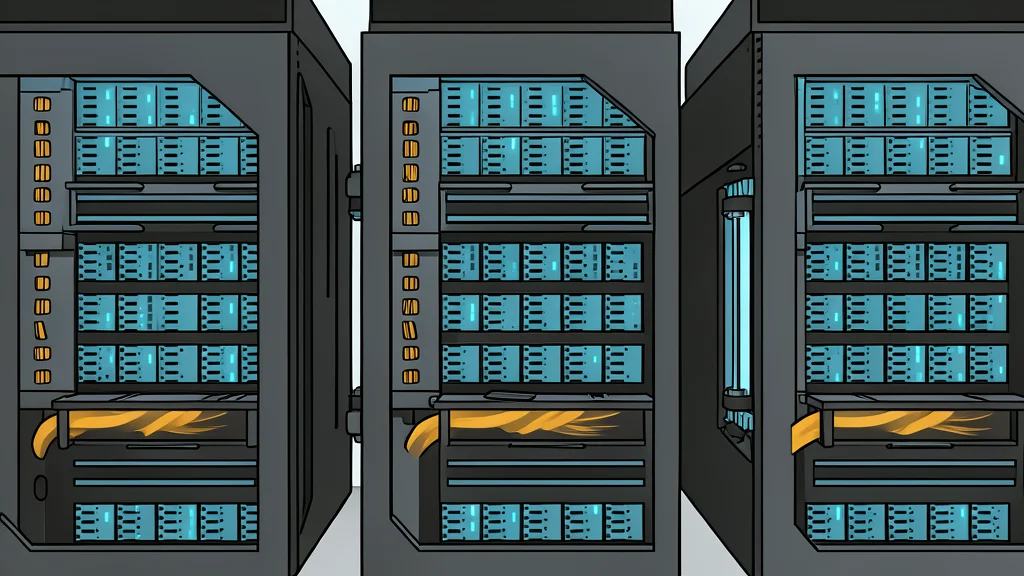
Lumentum positions its optical technology as the critical infrastructure for next-generation AI clusters, projecting massive market expansion as copper connections face physical limitations in high-speed data transfer.
Lumentum (NASDAQ: LITE) is emerging as a central player in the artificial intelligence infrastructure supply chain, driven by the physical limitations of traditional copper cabling in high-speed data centers. As AI workloads require massive parallel processing across multiple GPUs, the company’s optical fiber solutions are transitioning from long-distance telecom applications to critical intra-rack and inter-rack connectivity. This shift is not merely incremental; it represents a structural change in how data centers are built to handle the bandwidth demands of modern generative AI models.
The company’s strategic positioning was underscored by a $2 billion investment from Nvidia in March, signaling deep integration between the two firms’ roadmaps. Lumentum’s vice president of investor relations, Kathy Ta, outlined a complex growth model where different segments of data center interconnect (DCI) expand at multiplicative rates. This trajectory suggests that Lumentum may outpace the growth of its largest customer in the optical connectivity segment, leveraging the compounding effect of replacing copper with light in increasingly dense computing environments.
Copper Signal Degradation Drives Optical Shift
The primary driver for this transition is the degradation of electrical signals in copper cabling over distance at high frequencies. Traditional data centers relied on copper for short-range connections within server racks because it was cost-effective and efficient for lower bandwidths. However, advanced AI clusters require sustained high-speed data transfer between GPUs, servers, and racks. Copper cannot maintain signal integrity under these conditions, forcing a migration to optical fiber for scale-out, scale-up, and eventually scale-in architectures. Lumentum is positioned at the center of this necessary infrastructure upgrade.
This transition affects three distinct layers of data center connectivity. Scale-out connections link different clusters within a data center, scale-up connections link servers within a rack, and scale-in connections operate inside the server itself. As AI models grow in size, the volume of data moving between these layers increases exponentially. Lumentum’s technology enables these links to operate at speeds that copper cannot sustain, making optical connections the default standard for high-performance computing environments.
Multiplicative Market Expansion Projections
Kathy Ta detailed a multi-stage growth forecast that relies on compounding multiples rather than linear additions. She described the traditional Data Center Interconnect (DCI) and telecom market as a baseline of 1x. The emerging scale-across market is projected to be 10 times larger than this baseline. The scale-out market is similarly estimated at 10 times the DCI baseline. These figures indicate that the addressable market for Lumentum’s technologies is expanding rapidly as data centers move away from legacy copper-based architectures.
The growth accelerates further with the introduction of co-packaged optics (CPO) in scale-up applications. Ta projected that scale-up, beginning in the second half of 2027, will reach 3 to 4 times the size of the scale-out market. If all scale-up connections transition to optical technology, the total market size could reach 10 times the scale-out baseline. This creates a potential total addressable market growth of 100 times the original DCI baseline, before even accounting for the scale-in segment, which she estimated at another 10x multiple.
Strategic Investment Validates Technology Roadmap
Nvidia’s $2 billion investment in Lumentum serves as a validation of this optical transition. The capital injection supports close technology collaboration, ensuring that Lumentum’s components are optimized for Nvidia’s future GPU architectures. This partnership reduces technical risk for both companies and locks in Lumentum as a key supplier for the optical connectivity required by next-generation AI systems. The investment also provides Lumentum with the resources to scale production capacity to meet the anticipated surge in demand.
The financial implications of this shift are significant for Lumentum’s revenue mix. As optical fiber displaces copper in more segments of the data center, the company’s core business expands from niche long-haul telecom applications to the massive, high-growth AI infrastructure market. This diversification reduces reliance on any single customer or application, positioning Lumentum to capture value across the entire AI supply chain. The compounding nature of the market growth multiples suggests that even a small share of this expanded market could represent substantial revenue growth for the company.
The transition to optical connectivity is not optional for AI data centers seeking to maximize performance. As computational demands increase, the physical limits of copper become a bottleneck that only optical technology can resolve. Lumentum’s role in providing this critical infrastructure places it at the heart of the AI revolution, with a market opportunity that is growing at a rate far exceeding the initial GPU boom. The company’s ability to execute this transition will determine its long-term valuation and market position.