EV and AV Growth Reshapes Auto Tech Landscape
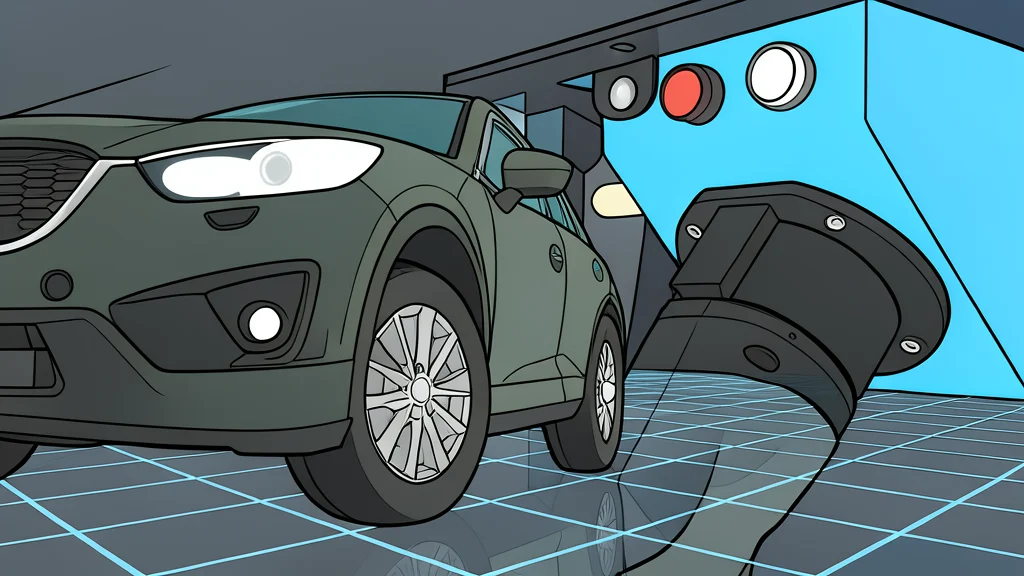
Global EV sales hit 20 million units in 2025, while the autonomous vehicle market expands toward a $4.44 trillion valuation in 2026.
The global automotive sector is undergoing a structural shift as electrification and autonomous driving redefine vehicle development. According to the International Energy Agency, global electric vehicle sales increased by 20% year-over-year to exceed 20 million units in 2025, representing approximately 25% of all new vehicles sold worldwide. This mainstream adoption is driven by improved battery range, expanded charging infrastructure, and competitive ownership economics relative to internal combustion engines. Geopolitical tensions in the Middle East have further elevated fuel prices, enhancing the relative appeal of electric powertrains for consumers and fleets alike.
Market projections indicate continued acceleration, with the IEA forecasting 23 million EV sales in 2026. This would push electric vehicles to nearly 28% of global new-vehicle sales. Regional dynamics are particularly pronounced in China and Europe, where EVs are projected to account for nearly 60% and one-third of new-car sales, respectively, by the end of 2026. As these markets mature, the competitive landscape is intensifying, with Chinese manufacturers expanding product portfolios and pricing strategies to challenge established Western incumbents.
Autonomous Vehicle Market Expansion
Beyond electrification, autonomous driving is emerging as a significant revenue driver. Fortune Business Insights projects the global autonomous vehicle market will grow from $3.36 trillion in 2025 to $4.44 trillion in 2026. The long-term outlook is even steeper, with the market expected to reach $41.75 trillion by 2034. This trajectory represents a compound annual growth rate of 32.3% over the 2026 to 2034 period, underscoring the rapid commercialization of self-driving technologies.
Technological advancements in artificial intelligence, sensor arrays, and connected vehicle computing are the primary enablers of this growth. Companies such as Alphabet’s Waymo and Baidu are leading in full-stack autonomous development, while specialized suppliers are scaling production of critical hardware. Mobileye, Hesai Group, and Ouster are key players in providing lidar and perception technologies that support the industry’s transition toward higher levels of vehicle autonomy. These components are becoming essential for distinguishing next-generation mobility platforms from traditional connected cars.
Competitive Pressure on Incumbents
The rapid adoption of EVs has disrupted the competitive hierarchy in the automotive sector. Tesla, which previously held a dominant share of the global EV market, is facing heightened competition from Chinese automakers. These competitors are leveraging broader product ranges and aggressive pricing models to capture market share in both domestic and international regions. This shift is forcing established players to accelerate their own electrification roadmaps and improve cost structures to remain competitive in a market that is becoming increasingly price-sensitive and technology-driven.
Investment focus is shifting toward companies with clear positioning in both EV and AV value chains. GN auto stocks/technology: tech stocks analysts highlight suppliers and manufacturers that benefit from the dual trends of electrification and autonomy. Firms like BYD Co Ltd. are cited as well-positioned due to their vertical integration and scale in battery and vehicle production. The convergence of these technologies suggests that long-term value creation will depend on the ability to integrate hardware, software, and supply chain efficiency at scale.
Strategic Implications for Mobility Sector
The transition to electric and autonomous vehicles is no longer a speculative trend but a measurable market reality. The 20% growth in EV sales and the projected 32.3% CAGR in the AV market indicate a sustained period of capital investment and revenue expansion. For businesses in the mobility ecosystem, this creates opportunities across semiconductors, sensor manufacturing, and software development. The challenge lies in navigating the competitive dynamics, particularly in China and Europe, where adoption rates are outpacing global averages.
As the market matures, differentiation will hinge on technological superiority and cost efficiency. Companies that can deliver reliable, scalable autonomous driving solutions and competitive EV platforms will capture disproportionate market share. The data from the IEA and Fortune Business Insights provides a clear roadmap for this growth, validating the long-term thesis for investors and industry participants. The next decade will likely see further consolidation and technological breakthroughs that define the future of personal and commercial mobility.