S&P 500 Valuations Hit 26-Year High Amid Inflation Risks
The index trades near historic peaks with a CAPE ratio of 40.5, exposing equities to significant correction risks from rising interest rates and geopolitical tensions.
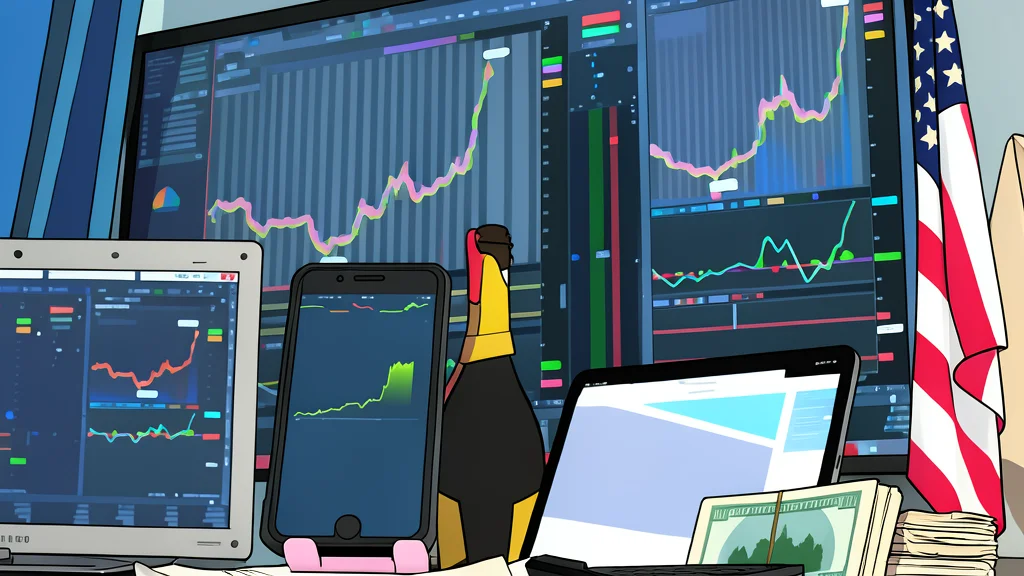
The S&P 500 is currently trading at a valuation level not seen in 26 years, placing the index at the second-highest point in its history. According to data cited by The Motley Fool, the Shiller Cyclically Adjusted Price-to-Earnings ratio stood at 40.5 as of Wednesday, approaching the all-time high of 44.2 recorded during the dot-com bubble peak in 2000. This extreme valuation suggests that investor expectations for future earnings are stretched to their limits, leaving little room for error in corporate performance.
The primary driver of this re-rating has been the artificial intelligence boom, which has generated trillions of dollars in market value for the index's largest constituents. However, historical precedent warns of severe downside potential; when the dot-com bubble burst, the S&P 500 plummeted by 49%. Current market conditions present a similar convergence of high valuations and macroeconomic headwinds, creating a fragile environment for equity holders.
Inflation Pressures Force Rate Hikes
Rising input costs are directly impacting corporate margins and consumer spending. Geopolitical tensions have driven West Texas Intermediate crude oil prices above $100 per barrel, a significant increase from the $57 average at the start of 2026. This energy shock has contributed to an annualized Consumer Price Index rise of 3.4% in August, far exceeding the Federal Reserve’s 2% target.
In response to persistent inflation, the Federal Reserve raised interest rates by 25 basis points at its September meeting and signaled further hikes before the end of 2026. Historical data indicates that rising rates weigh heavily on equity valuations; during the previous hiking cycle from March 2022 to August 2023, the S&P 500 entered a technical bear market, declining by more than 20%.
AI Sector Faces Development Slowdown
The growth narrative underpinning the index’s highest valuations may be stalling. Key figures in the technology sector, including leaders from Anthropic, OpenAI, and xAI, have recently called for a slowdown in the pace of artificial intelligence development to manage societal risks. This shift in strategic direction poses a direct threat to the revenue growth assumptions of semiconductor suppliers like Nvidia and Micron Technology, which have been major contributors to the index's recent upside.
Electoral Uncertainty Adds Market Risk
Beyond macroeconomic and sector-specific risks, political uncertainty is set to increase. The upcoming midterm congressional elections on November 3 introduce regulatory and fiscal unpredictability that could further dampen investor sentiment. With the S&P 500 typically experiencing a decline of 10% or more every 18 months, the current combination of high valuations, rising rates, and political transition creates a heightened probability of a significant correction.