California Considers AB 2647 to Study Nuclear Expansion
Assembly Bill 2647 awaits Gov. Newsom's signature, mandating a state study on nuclear power's role in meeting 2045 climate targets.
Key points
- Assembly Bill 2647 requires the California Energy Commission to study nuclear power's role in meeting 2045 zero-carbon goals.
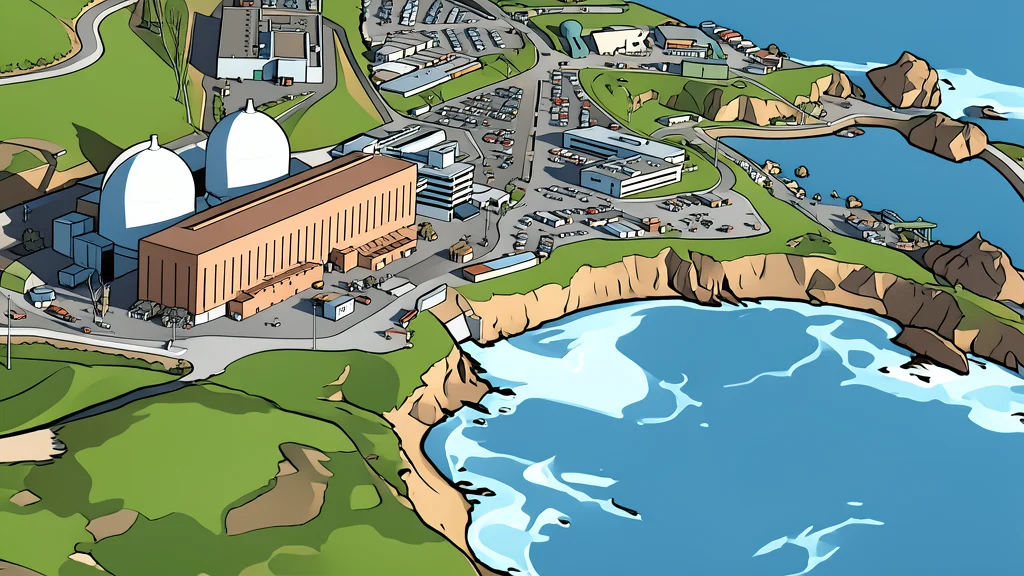
- California operates one nuclear plant, Diablo Canyon, which runs at a nine-figure annual loss paid by ratepayers.
- Critics warn the bill prioritizes AI energy demands over safety, while supporters cite job creation and cost reduction.
Assembly Bill 2647, which passed the California Legislature, is currently awaiting Governor Gavin Newsom’s signature. If enacted, the legislation would compel the California Energy Commission to conduct a formal assessment of nuclear power’s potential contribution to the state’s goal of achieving 100% zero-carbon electricity by 2045. The bill, authored by Assemblymember Lisa Calderon, seeks to determine whether advanced nuclear technologies can help bridge the gap in renewable energy capacity.
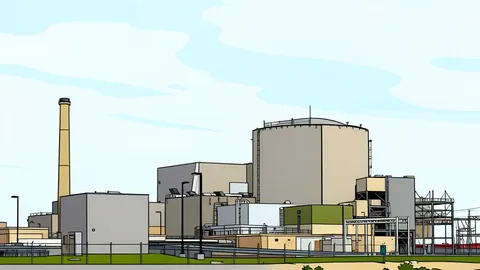
The proposal comes against a backdrop of high electricity costs and a shrinking nuclear infrastructure. California currently operates only one nuclear facility, the Diablo Canyon Power Plant in San Luis Obispo County, which runs at a nine-figure annual loss covered by ratepayers. Meanwhile, the decommissioning of the San Onofre Nuclear Generating Station near San Diego has already incurred $4.5 billion in costs, highlighting the financial complexities of nuclear energy management in the state.
Regulatory hurdles and current infrastructure status
A state moratorium on new nuclear construction, upheld by the U.S. Supreme Court in the 1983 PG&E vs. Energy Commission case, currently prevents expansion. The existing landscape is limited to the Diablo Canyon plant, while the Humboldt Bay and Rancho Seco plants were retired decades ago. The San Onofre site remains in the decommissioning process, serving as a cautionary example of the long-term financial liabilities associated with nuclear facilities.
Supporters argue that advanced nuclear technology offers a path to reduce reliance on fossil fuels and create high-paying jobs in engineering and operations. San Luis Obispo County, where the active plant is located, has voiced support for the bill, stating that a rigorous analysis of system costs and reliability benefits is essential for informed future energy policy decisions.
Opposition cites safety and AI demand concerns
Critics, including Haakon Williams of The Committee to Bridge the Gap, warn that the bill sets in motion a process that could prioritize accommodating artificial intelligence industry demands over safety. Williams argues that the push for new nuclear plants is often coupled with the slashing of critical safety regulations to lower costs, a trade-off he believes the state must carefully evaluate.
Williams urges that if the bill is signed, the California Energy Commission must conduct its study with rigorous neutrality. He emphasizes the need to consider the serious challenges of nuclear energy, particularly in the context of increasing energy pressure from AI technologies, rather than simply bending over backwards to meet industrial demands.
Political stakes and economic arguments
Assemblymember Calderon contends that California families are paying more for electricity than a decade ago, resulting in billions of dollars in excess costs compared to the national average. She positions advanced nuclear as a solution to bring down costs associated with fossil fuel consumption while creating thousands of permanent, well-paid jobs in construction and operations.
The decision rests with Governor Newsom, who must weigh the potential for cost reduction and job creation against the safety concerns and historical financial losses associated with the state's existing nuclear assets. The outcome of this signature decision will determine whether California proceeds with a formal state-level review of its nuclear energy future.