Dominion Energy Weighs Virginia Relief Plans Against Grid Spending
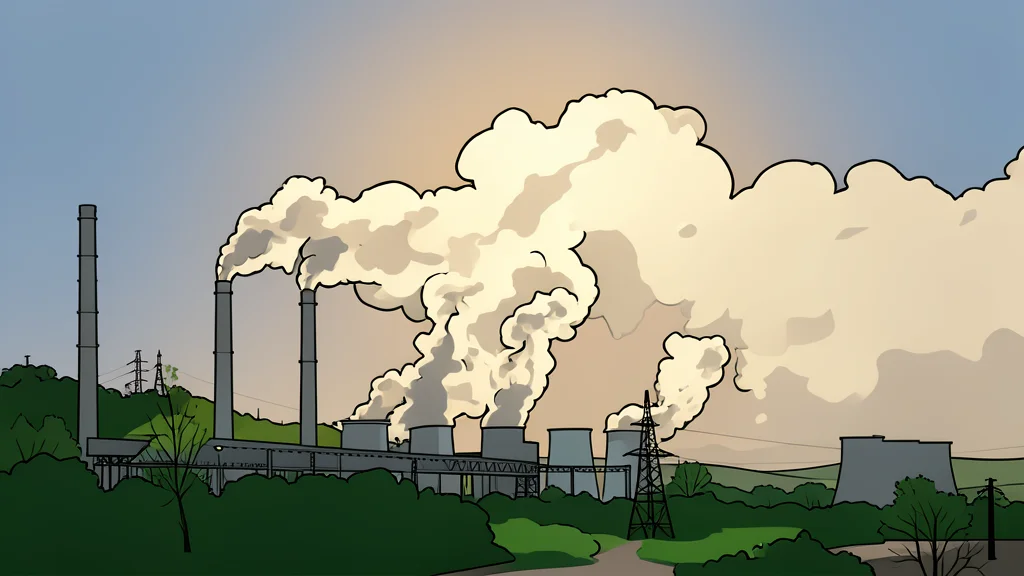
Dominion Energy faces a complex balancing act as new Virginia customer relief measures intersect with massive infrastructure needs driven by data centers and electrification.
Dominion Energy is under renewed scrutiny as a proposed customer relief package in Virginia reshapes its near-term financial obligations. The initiative, developed alongside NextEra Energy, introduces expanded bill credits and assistance programs for households. This direct support mechanism alters the utility’s revenue model by offsetting some bill collections while simultaneously committing the company to broader energy infrastructure initiatives.
The company’s valuation remains tightly coupled with regulatory outcomes in its primary market. As an S&P 500 constituent and a major player in U.S. utility stocks, Dominion Energy must demonstrate that these affordability measures do not undermine the capital framework required for grid modernization. The convergence of customer support and infrastructure expansion creates a distinct narrative around how regulated assets can serve both social and industrial demands.
Virginia Proposal Balances Affordability With Infrastructure
The core of the new proposal centers on direct financial assistance for Virginia households. By integrating expanded bill credits into its operations, Dominion Energy addresses immediate affordability concerns. This approach ties the utility’s financial performance to the success of these support programs, requiring careful management of cash flow to ensure reliability is maintained while funds are directed toward customer relief.
Beyond household support, the arrangement includes commitments to local suppliers and regional economic activity. These measures link electricity demand with construction and equipment supply chains. For Dominion Energy, this expands the scope of its business impact from mere power delivery to broader regional development, creating a multi-layered economic footprint in its service territory.
Rising Demand From Data Centers Drives Capital Needs
Virginia’s electricity demand patterns are shifting due to the proliferation of data centers and industrial electrification. These high-load customers are intensifying the need for generation capacity and grid infrastructure upgrades. Dominion Energy’s business model, focused on regulated assets, must now accommodate a rapidly growing segment of the market that places higher stress on transmission and distribution networks.
The capital requirements for meeting this demand are substantial and spread over extended periods. Regulatory treatment of these projects is critical, as it determines how the associated costs are recovered and how they impact the company’s financial structure. The ability to balance large-scale transmission projects with customer programs is becoming a key metric for evaluating the utility’s operational resilience.
Nuclear And Solar Expansion Shapes Generation Mix
Dominion Energy’s generation portfolio is evolving to include a broader mix of electricity production. Solar development is a key component as the utility expands lower-carbon capacity. Storage solutions are also being integrated to complement renewable generation, ensuring grid stability. This diversification is essential for meeting the reliability standards required by both residential and industrial customers.
The inclusion of nuclear generation remains a significant part of the company’s infrastructure plans. This multi-technology approach allows Dominion Energy to address varying demand profiles and reliability requirements. As the U.S. electricity landscape changes, the utility’s ability to manage this diverse generation mix will determine its long-term competitiveness and regulatory standing.