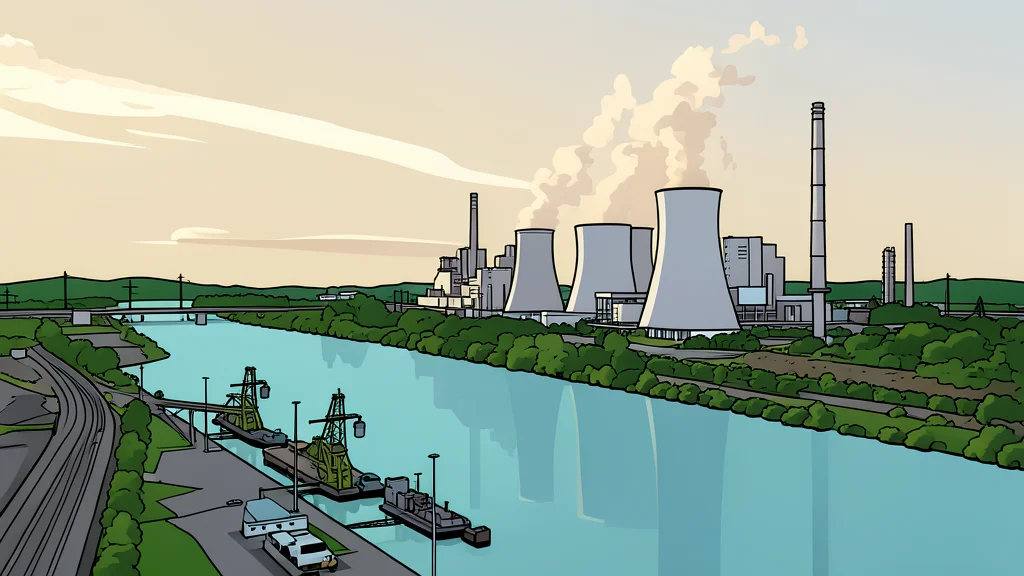
EPA Repeals Carbon Standards for US Power Plants
The US EPA has dismantled Biden-era emission rules, shifting focus to grid reliability and infrastructure expansion.
The US Environmental Protection Agency has repealed the core of the 2024 Carbon Pollution Standards, removing mandates that required existing coal facilities and new gas plants to cut emissions by 90%. This decision, announced by Administrator Lee Zeldin in Houston, eliminates the requirement for carbon-capture technology in the power sector. The agency argues that the previous deadlines were technically infeasible and that the rules threatened grid reliability amid surging demand from data centers and advanced manufacturing.
The repeal effectively reverses a policy projection that the 2024 standards would prevent 1.38 billion metric tonnes of carbon pollution by 2047. The EPA now contends that such regulatory burdens would raise costs and jeopardize the stability of the electrical grid. This shift marks a strategic pivot from strict emission controls to prioritizing the expansion of new power-generating infrastructure to meet growing industrial and computational energy needs.
EPA Challenges Regulatory Authority
Beyond repealing specific standards, the EPA has proposed a rule that would block future federal greenhouse-gas standards for fossil-fuel power plants. The agency asserts that power plant emissions do not significantly contribute to dangerous air pollution under Section 111 of the Clean Air Act. This legal stance questions whether the EPA possesses the statutory authority to regulate the sector’s carbon output at all, setting the stage for significant litigation over the scope of federal climate jurisdiction.
This move follows the administration’s February rescission of the 2009 endangerment finding regarding vehicle emissions. By targeting both the technical feasibility of current rules and the statutory basis for future ones, the EPA is systematically narrowing its regulatory reach. The policy aligns with the administration’s broader effort to reduce federal oversight of carbon emissions, relying on the argument that market-driven infrastructure growth is a more effective solution than mandated technology adoption.
Grid Demand and Emission Trends
The power sector remains the second-largest source of US greenhouse-gas emissions after transport, accounting for nearly a quarter of the national total. According to the Energy Information Administration, emissions from this sector rose by 4% last year. The EPA argues that the rapid growth in energy consumption from artificial intelligence and data centers necessitates a focus on reliability and capacity expansion rather than the immediate deployment of carbon-capture systems, which it deems too slow to implement within the required regulatory timelines.
The agency’s position is that the previous standards would have forced closures or costly retrofits without adequately addressing the underlying demand for electricity. By removing these constraints, the EPA aims to facilitate the construction of new generation assets. This approach reflects a broader administrative view that regulatory red tape hinders the ability to build the necessary infrastructure to support a growing digital economy and industrial base.
Legal and Policy Implications
The final rule relies on the legal interpretation that the technology and deadlines chosen by the previous administration did not constitute the best system of emission reduction under the Clean Air Act. This creates a direct conflict with the 2024 determination that carbon capture and storage was an adequately demonstrated technology. The resulting legal landscape is expected to see intense court battles, as the EPA’s new proposed rule challenges the fundamental premise that the agency can regulate power plant emissions under existing statutory frameworks.
This regulatory shift is consistent with the administration’s rejection of mainstream climate science frameworks. By dismantling the centerpiece of the previous administration’s climate strategy, the EPA is signaling a long-term reduction in federal climate regulation for the energy sector. The outcome will likely depend on judicial interpretation of the Clean Air Act’s scope and the agency’s authority to define what constitutes a significant contribution to air pollution.