EPA Repeals Power Plant Emission Standards to Lower Utility Costs
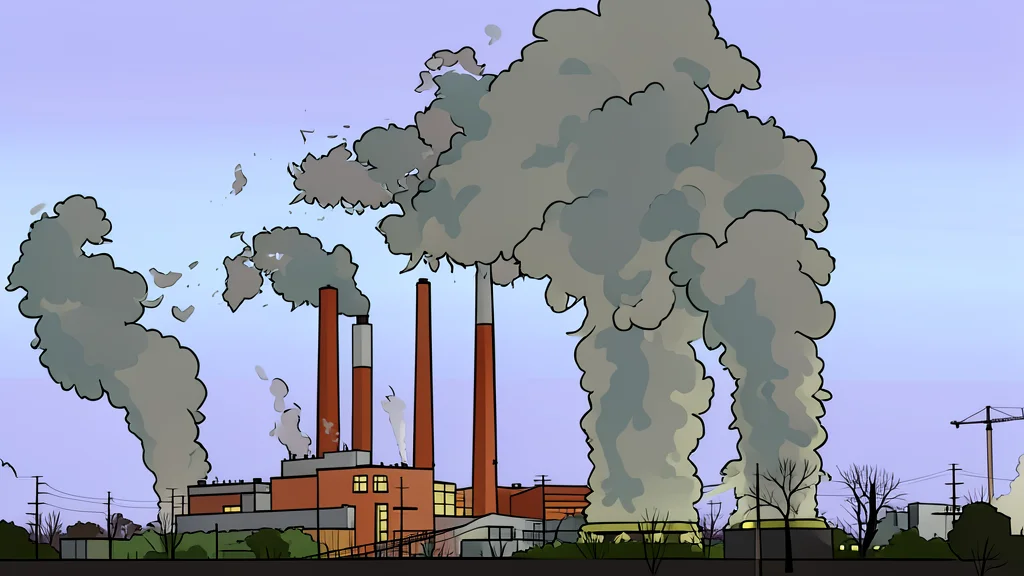
The US EPA has finalized the repeal of 2024 emission standards for coal and gas plants, citing a need to reduce electricity prices and prevent premature deaths from other pollutants.
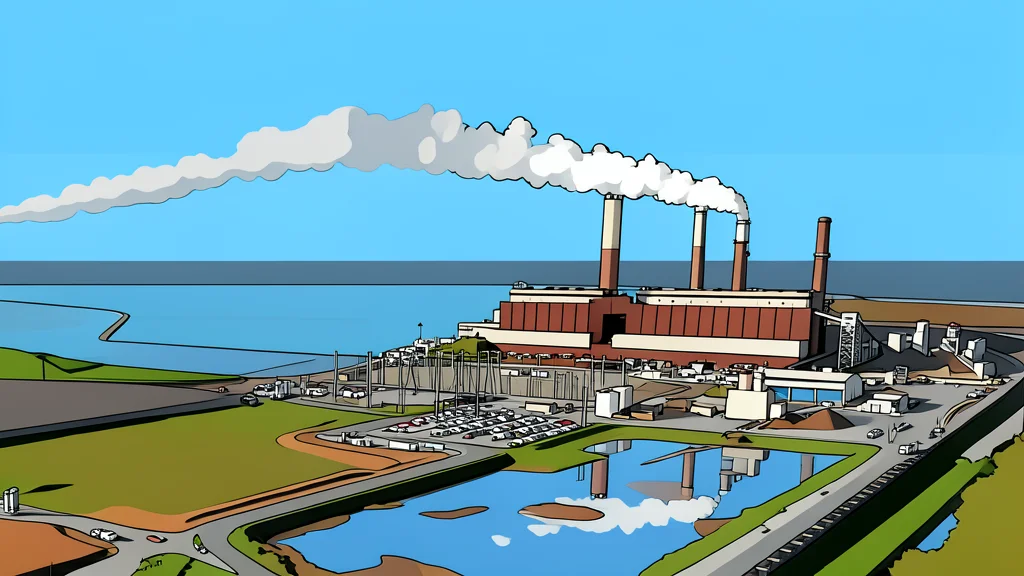
The United States Environmental Protection Agency has finalized the repeal of regulations limiting greenhouse gas emissions from coal- and gas-fired power plants. The agency announced the decision on Monday during a G20 energy ministers meeting in Houston, framing the move as a necessary step to lower electricity costs for consumers and stabilize the energy grid.
EPA Administrator Lee Zeldin stated that the previous administration’s rules constituted a "war on coal" that threatened affordable energy. The agency claims this rollback will save the economy $310 billion and unleash domestic energy production. However, environmental groups, including the Sierra Club, have vowed to challenge the decision in federal courts, arguing it grants the fossil fuel industry a license to increase pollution.
Economic Justification and Health Projections
The EPA projects that removing the requirement for 90% carbon capture or reduction will significantly lower operating costs for power generators. These savings are expected to translate directly into reduced retail electricity prices. The agency also argues that the previous standards did not account for the broader health benefits of keeping lights on, a claim disputed by public health experts who cited the 2024 rule’s projection of preventing 1,200 premature deaths by 2035.
While the agency asserts that power plants do not contribute significantly to dangerous air pollution under the Clean Air Act, critics note that the sector remains the second-largest source of US climate pollution, accounting for nearly 25% of national emissions. The repeal removes the regulatory burden of installing expensive abatement technologies, which the EPA argues was distorting market incentives for reliability and affordability.
Legal and Regulatory Implications
This action overturns the 2024 Biden-era standards, which were designed to cut sector carbon pollution by 75% compared to 2005 levels. Beyond simply repealing the specific rule, the EPA is proposing to roll back its own authority to regulate climate pollution from power plants. If successful, this structural change would prevent future administrations from reinstating similar limits without new legislative mandates.
The move follows a broader deregulatory trend, including the February overturning of the 2009 endangerment finding that classified carbon dioxide as a public health threat. This legal precedent weakens the regulatory foundation for future climate policies. Meanwhile, rules limiting traditional air pollutants like mercury and lead remain in place, though recent adjustments have already weakened those protections.
Impact on Coal Industry Operations
The repeal aligns with the administration’s strategy to extend the life of aging coal-fired plants. The Trump administration has ordered several facilities to remain online past their planned retirement dates and allocated over $100 million in federal funding for two new coal plants equipped with carbon capture technology. These measures aim to increase coal’s share of the energy mix, despite its status as the most carbon-intensive fossil fuel.
The shift is already visible in recent data, with 2025 recording an increase in US planet-heating pollution, reversing a long-term downward trend. The EPA argues that maintaining these plants ensures grid reliability, while opponents contend that the policy prioritizes short-term price relief over long-term environmental and health stability. The legal battle over the validity of the repeal is expected to proceed through the federal court system.