EPA to Scrap Power Plant Carbon Rules
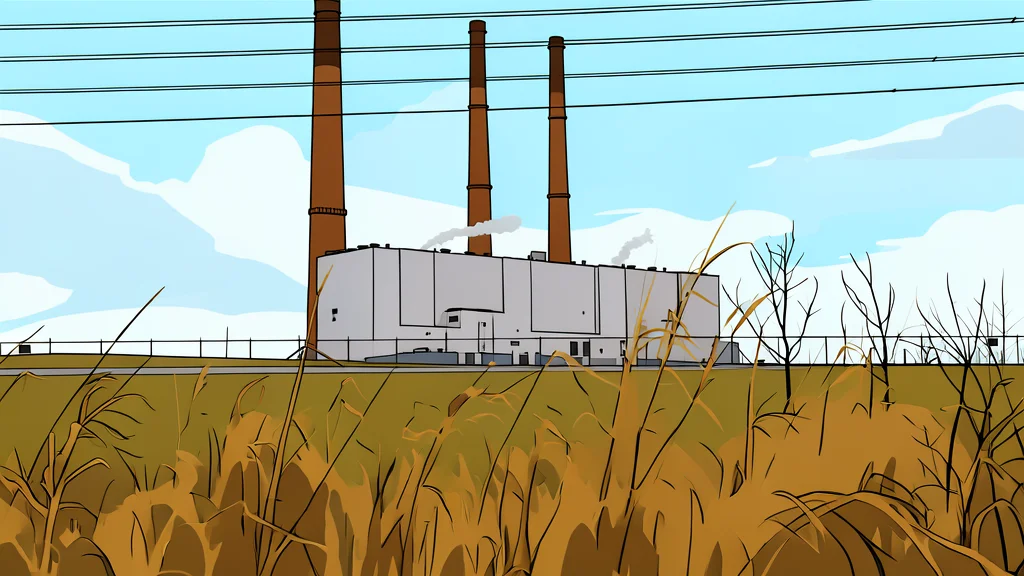
The US EPA plans to rescind emissions standards for fossil fuel plants, reversing mandates for carbon capture and altering the regulatory landscape for the energy sector.
The US Environmental Protection Agency is set to formally repeal carbon pollution standards for coal and natural gas power plants, a move expected to be finalized by September 14. This action dismantles the Biden-era requirements that mandated existing and new fossil fuel facilities to deploy specific emissions-reduction technologies. The rollback effectively removes the regulatory pressure to integrate carbon capture and storage systems, which were designed to sharply reduce greenhouse gas output from the power sector.
Power plants remain the largest industrial source of greenhouse gas emissions in the United States. According to data analyzed by the NYU School of Law’s Institute for Policy Integrity, the US power sector alone accounts for emissions comparable to those of the world’s sixth-largest national emitter. By rescinding these standards, the administration removes the primary federal mechanism that forced the nation’s coal fleet to either capture most of its carbon by 2039 or face closure, significantly altering the cost structure and operational viability of high-emission assets.
Regulatory Mandates Reversed
The proposed repeal targets the specific rules finalized in 2024 that required the deployment of best available technology for emissions control. Under the previous administration, these regulations created a clear compliance deadline for plant operators. The current proposal eliminates these mandates, allowing utilities to operate without the financial burden of retrofitting facilities with carbon capture infrastructure. This change shifts the capital expenditure profile for power companies, removing the need for significant investment in abatement technologies to remain compliant with federal law.
Agency officials are also preparing a separate rule to repeal the federal finding that greenhouse gases from power plants pose a specific threat under the Clean Air Act. This legal move decouples power sector emissions from the broader endangerment findings used to justify climate regulations. The combination of these actions effectively neutralizes the regulatory framework that previously constrained the growth and operation of fossil fuel generation assets in the US market.
Historical Policy Context
This repeal follows a series of regulatory reversals under the current administration. Earlier in 2026, the EPA rescinded similar climate standards for vehicles and the 2009 endangerment finding, a landmark ruling that established greenhouse gases as threats to human health. The power plant rules currently being targeted were the final major component of the Biden administration’s climate agenda, representing the culmination of years of legal battles and policy iterations.
The history of US power plant regulation has been marked by judicial intervention. The Obama-era Clean Power Plan was struck down by the Supreme Court in 2022, and a subsequent replacement rule from the first Trump administration was also invalidated by the courts. The 2024 rules, which are now being repealed, were designed to withstand legal scrutiny by focusing on specific technology mandates. The current administration’s approach relies on executive action to remove these constraints, potentially facing new legal challenges from environmental groups and states.
Market and Sector Implications
For the energy sector, the removal of carbon capture mandates reduces compliance uncertainty for operators of coal and gas plants. Companies that had deferred major capital expenditures pending regulatory clarity may now reassess their long-term asset strategies. The repeal removes the forced obsolescence of high-emission technologies, potentially extending the operational life of existing fossil fuel infrastructure. This shift influences investment decisions across the utility and energy services sectors, altering the risk profile associated with legacy power generation assets.
The timing of the announcement, coinciding with a Group of 20 energy ministers’ meeting in Houston, underscores the administration’s focus on energy policy as a central economic priority. By reversing these standards, the government signals a departure from previous climate-focused regulatory paths. This decision impacts the competitive landscape for clean energy technologies, as the regulatory tailwind for decarbonization in the power sector is removed. The move reflects a broader strategic shift in US industrial policy, prioritizing energy production flexibility over mandated emissions reductions.