IEA Projects Data Center Power Use to Reach 950 TWh by 2030
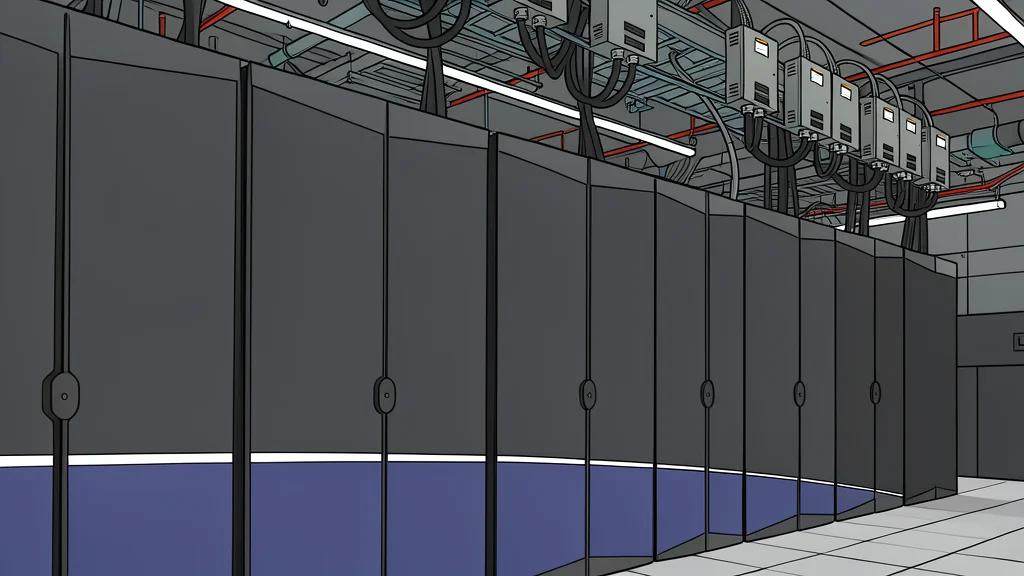
Global data center electricity consumption is set to nearly double by 2030, creating a mismatch with grid infrastructure timelines.
Key points
- IEA projects global data center electricity use will reach 950 TWh by 2030, up from 485 TWh in 2025.
- US data centers may consume 11.8% of national electricity by 2030, with estimates ranging from 9.5% to 15.3%.
- Grid connection delays and cooling infrastructure mismatches are becoming primary constraints on AI facility expansion.
The International Energy Agency projects that global data center electricity consumption will rise from approximately 485 terawatt-hours in 2025 to 950 terawatt-hours by 2030. This growth would place the sector at roughly 3% of total global electricity demand, highlighting a significant increase in energy requirements for computing infrastructure.
This expansion creates a structural mismatch between the speed of data center deployment and the pace of energy infrastructure development. Developers require grid connections at specific sites and dates, while utility upgrades often proceed on slower timelines, making local bottlenecks a primary constraint on artificial intelligence expansion.
Local grid constraints outpace global averages
While the 3% global share appears manageable, the IEA warns that demand from AI-focused facilities is expected to triple over the same period. The agency notes that uncertainty about future load can leave infrastructure and demand out of step, particularly where facilities cluster in specific geographic regions.
A developer’s need for a connection at a chosen site cannot be solved by electricity available elsewhere. This local specificity means that even a modest global percentage of consumption can create severe logistical challenges for grid operators trying to match supply with concentrated load centers.
US estimates show wider variance
The US Department of Energy cites a Berkeley Lab analysis estimating that data centers could account for 11.8% of American electricity use by 2030. Scenarios for the US range from 9.5% to 15.3%, a significantly higher share than the global average, reflecting the concentration of major computing hubs in North America.
These US figures are based on projected equipment shipments rather than confirmed grid connections. The modeling does not directly assess whether grid or on-site power supply will expand sufficiently to meet that demand, indicating that a forecast of requirements is not proof of actual delivery.
Cooling and power require synchronized planning
Servers require reliable cooling in addition to electricity, meaning power and heat management are connected infrastructure needs. The DOE treats these as linked systems, noting that securing electricity without a workable cooling design leaves fundamental operating problems unresolved for facility operators.
CPG Click Oil and Gas has covered proposed zinc-battery projects aimed at providing storage for data centers, but individual announcements must be assessed against their delivery schedules. Delays in generation, grid connection, or cooling can leave expensive computing equipment idle, waiting for the infrastructure that makes it usable.