Middlesex Water Company Maintains Stable Earnings Outlook
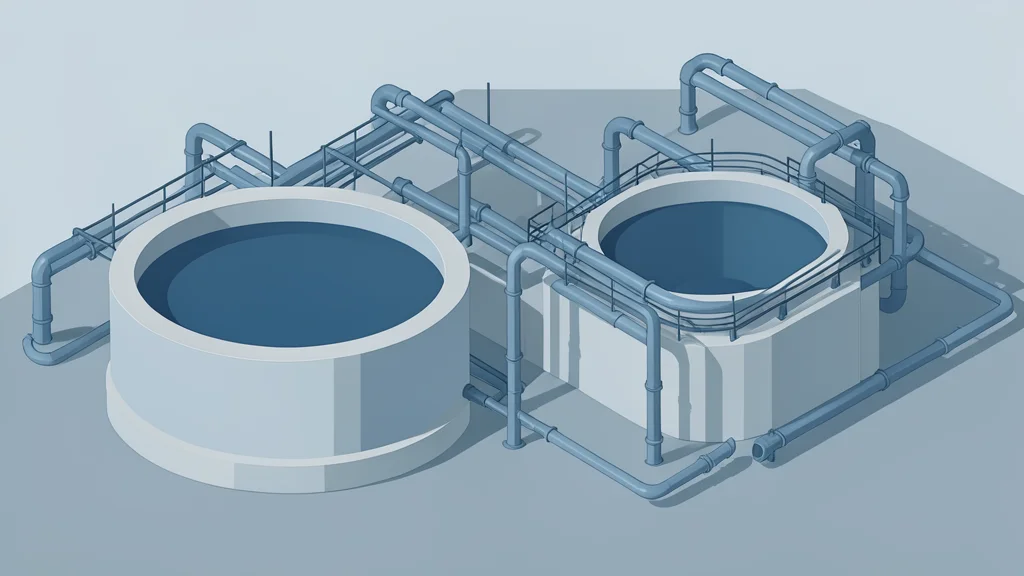
Middlesex Water Company reports steady quarterly performance driven by approved rate increases in New Jersey and Delaware, supporting its regulated utility dividend profile.
Middlesex Water Company has presented a stable financial picture for investors as of September 18, 2026, with its latest quarterly results reflecting the steady nature of its regulated utility operations. The company, which serves residential, commercial, and industrial customers across New Jersey, Delaware, and adjacent territories, continues to derive the bulk of its revenue from drinking water services. Recent figures indicate that approved rate increases and customer growth in core franchise areas have effectively offset inflationary pressures in labor and materials, maintaining the integrity of the profit base.
This stability is anchored by a business model centered on long-lived water and wastewater infrastructure. The firm’s earnings are shaped by regulatory lag, operating expense trends, and financing costs, with the most recent fiscal 2026 data showing how incremental rate relief supports net income. For shareholders, the key metric remains the ability to expand the profit base faster than the regulated asset base, a trend that has been supported by disciplined cost control and consistent demand for essential water services in its service territories.
Capital spending drives asset growth
The company’s investment strategy focuses on upgrading treatment plants, pipelines, and storage facilities, with capital expenditures representing a significant share of operating cash flow. This spending pattern is critical for determining whether Middlesex Water Company is growing its regulated asset base, which supports future rate-based earnings, or merely maintaining existing infrastructure. The ratio of capital spending to depreciation in recent reporting periods serves as a key indicator of this growth trajectory, illustrating the firm’s commitment to long-term utility reliability.
Leverage remains a central component of the funding model for these infrastructure upgrades. The latest balance-sheet figures show a mix of long-term debt and equity that helps finance the heavy capital requirements of the water sector. Investors monitor the debt-to-equity ratio and interest coverage metrics to assess how sensitive future earnings are to shifts in interest rates. Historical comparisons suggest that leverage has stabilized as earnings grow, providing the company with the headroom necessary to continue its capital program without excessive financial risk.
Dividend yield reflects income focus
As a primary income vehicle for many investors, Middlesex Water Company maintains a long history of consistent dividend payments. The latest fiscal-year summary confirmed the most recent annual dividend per share, which, when mapped against the current share price, yields a return that reflects both the income component and the market’s view of risk in the water-utility segment. This dividend stability is a core part of the investment case, particularly for holders seeking predictable cash flows in a low-growth, high-visibility sector.
The comparison of the current dividend yield with broader utility peers underscores the company’s positioning within the market. While specific dollar values from the report are not replicated in this summary, the directional change in quarterly earnings relative to the prior year anchors the valuation. The firm’s ability to sustain its payout ratio while managing pass-through costs for purchased water and energy demonstrates a balanced approach to shareholder returns and operational resilience.
Regulatory environment supports rate stability
The regulatory framework governing Middlesex Water Company’s operations in New Jersey and Delaware plays a decisive role in its financial performance. Approved rate increases provide the necessary revenue lift to cover rising operational costs and fund capital projects. This regulatory lag, where costs are incurred before rates are adjusted, requires careful management to ensure that net income remains robust. The company’s ability to navigate these regulatory cycles effectively is a key driver of its steady earnings profile.
Looking forward, the focus remains on maintaining the balance between capital investment and financial flexibility. The firm’s strategy is designed to protect the dividend while ensuring the long-term viability of its water distribution network. By leveraging its regulated asset base and managing its debt profile, Middlesex Water Company aims to sustain its position as a reliable provider of essential water services, offering investors a stable foundation for long-term capital preservation and income generation.