N.B. Power Converts Belledune Plant to Wood Pellets
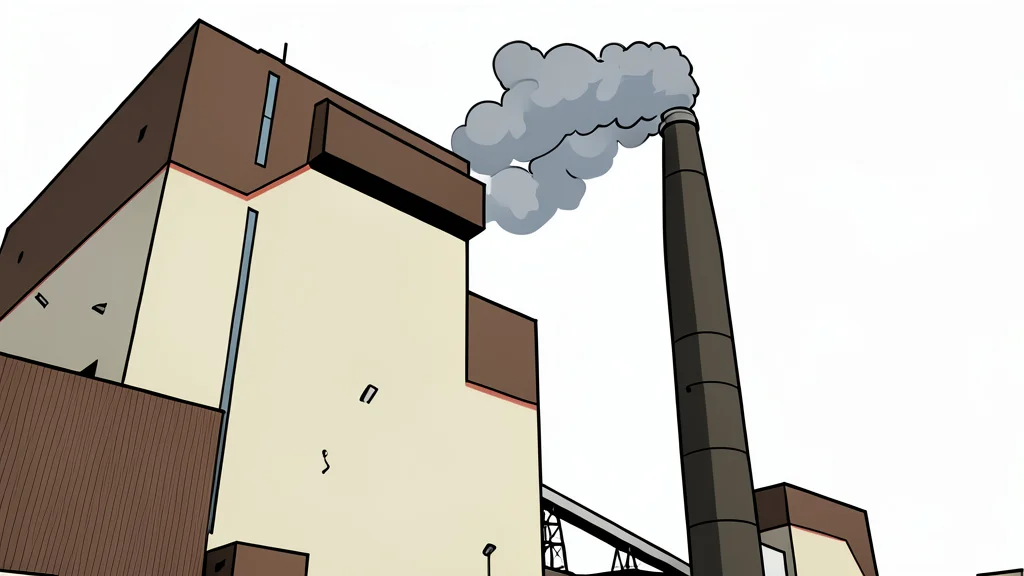
N.B. Power will invest $65 million to replace coal at the Belledune station with biomass pellets, cutting emissions by 70% and securing a domestic fuel supply chain.
N.B. Power has secured supply agreements to transition the Belledune generating station from coal to wood and hemp biomass pellets. The utility announced it will invest $65 million in the conversion, a move designed to meet the federal mandate to phase out coal generation by 2030 while maintaining the plant’s operational role in the provincial grid.
The shift is projected to reduce the facility’s carbon dioxide emissions by 70 percent. By sourcing fuel from Canadian producers, the company aims to insulate its operations from global market volatility and establish a stable, domestic supply chain for its largest renewable generation asset.
Securing Domestic Biomass Supply Chains
The utility has signed contracts with several partners, including Arbec Forest products and Airex Energy from Quebec. A new venture involving the Pabineau First Nation and Eel River Bar First Nation will also produce pellets from forest byproducts, specifically slash left behind by forestry operations. This approach ensures that no additional trees are cut for fuel, utilizing existing waste material instead.
One supplier is set up in a vacant building at the Port of Belledune, indicating a localized logistics strategy. N.B. Power described this as the least-cost option to meet the 2030 deadline, although executives acknowledged that pellet costs are higher than coal. The company declined to specify the exact price differential, citing ongoing evaluations.
Operational Timeline and Job Creation
The plant currently employs approximately 120 to 130 staff members, supplemented by 30 to 40 regular contractors. N.B. Power estimates that the development of the fuel supply chain will create an additional 700 to 1,000 jobs in the community. The transition is expected to be fully completed by November 2029, allowing time to build up necessary pellet inventories from the new suppliers.
Federal government contribution agreements are already in place, and the project scope is being actively planned. The company stated that the Belledune station will remain open beyond the 2030 coal phase-out date, serving as a critical component of the province’s diverse generation mix alongside nuclear, hydro, and wind sources.
Strategic Positioning for Regional Investment
New Brunswick Premier Susan Holt framed the conversion as a strategic advantage for attracting investment in the region’s port, defence, and minerals sectors. By ensuring a reliable and affordable power source through a diverse generation portfolio, the province aims to provide the energy stability required for industrial expansion.
The initiative aligns with broader goals to diversify the energy mix, utilizing biomass as a flexible resource. This approach allows the utility to dispatch power based on real-time cost and demand, maintaining grid reliability while adhering to environmental regulations.