Chubu Electric Faces Prolonged Regulatory Review After Data Fraud
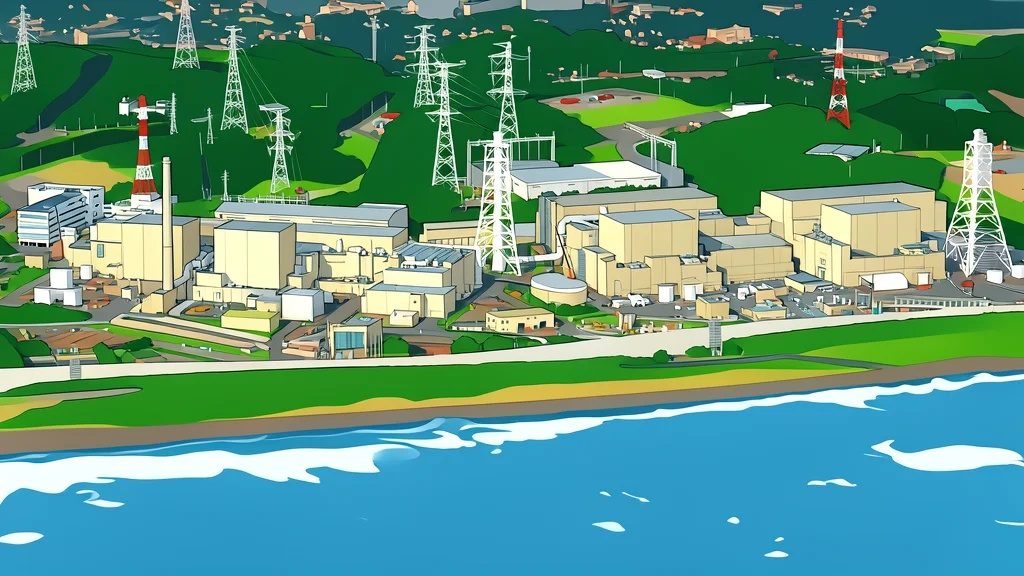
Nuclear Regulation Authority confirms extended timeline to verify Chubu Electric's manipulation of seismic data for Hamaoka reactor restarts.
Shinsuke Yamanaka, chair of the Nuclear Regulation Authority, stated on Thursday that verifying the facts surrounding Chubu Electric Power’s data misconduct will require a significant amount of time. The regulator emphasized its intention to conduct a thorough factual review before determining appropriate corrective measures. This decision follows the submission of an internal investigative committee report by the utility, which detailed specific instances of data manipulation linked to the Hamaoka nuclear plant in Shizuoka Prefecture.
The NRA secretariat announced it will conduct additional reviews regarding how Chubu Electric handled a whistleblower report concerning the fraud. The core allegation is that the utility underestimated possible earthquake ground motion in data submitted for regulatory screening. These screenings are mandatory prerequisites for the restart of the No. 3 and No. 4 reactors at the Hamaoka facility. The regulator’s extended timeline signals a deep dive into the integrity of the safety data underpinning the company's operational plans.
Seismic Data Manipulation Motive Identified
The investigative committee report revealed that Chubu Electric excluded specific faults from ground motion calculations that were required for NRA assessments. By omitting these variables, the resulting data fell below assumed safety levels, creating a favorable profile for the company. However, when the required faults were included, the calculated ground motion exceeded acceptable thresholds, posing a direct obstacle to the restart goal. The report explicitly states that the misconduct was motivated by the desire to avoid hindering the plant's return to service.
Chubu Electric reportedly engaged in cherry-picking data to justify its actions while growing increasingly dissatisfied with the regulatory screening process. This behavior suggests a systematic effort to manipulate technical outputs to align with commercial objectives rather than strict adherence to safety standards. The utility's internal justification mechanisms appear to have prioritized operational timelines over comprehensive seismic risk assessment, a practice now under intense scrutiny by the national watchdog.
Regulatory Scrutiny Intensifies
The Nuclear Regulation Authority has positioned this review as a prerequisite for any further progress on the Hamaoka reactors. By citing the need for time to check facts, the NRA is effectively pausing any potential approval or conditional clearance for the No. 3 and No. 4 units. This cautious approach reflects the regulator's commitment to verifying the integrity of the underlying safety data before making any decisions on the company's future operational status.
For Chubu Electric, the prolonged investigation represents a significant regulatory hurdle. The utility must now cooperate with the NRA's additional reviews, which will likely involve a detailed audit of its data handling protocols and whistleblower response mechanisms. The outcome of this verification process will determine the extent of punitive measures and whether the company can proceed with its restart plans, directly impacting its revenue projections and operational continuity in the region.
Business Impact of Regulatory Delay
The delay in resolving the data fraud allegations creates immediate uncertainty for Chubu Electric’s financial planning. The inability to restart the Hamaoka reactors due to regulatory holds impacts the utility's generation capacity and grid stability contributions. As the NRA continues its thorough fact-checking, the company faces potential reputational damage and the risk of stricter future compliance requirements. The focus remains on the integrity of the data submitted for safety assessments, which is central to the business case for nuclear power in Japan.