US Scraps Power Plant Emission Limits, Citing $680B Savings

The US EPA has eliminated methane and particulate matter limits for gas and coal plants, projecting massive cost reductions for consumers while facing legal pushback over Clean Air Act obligations.
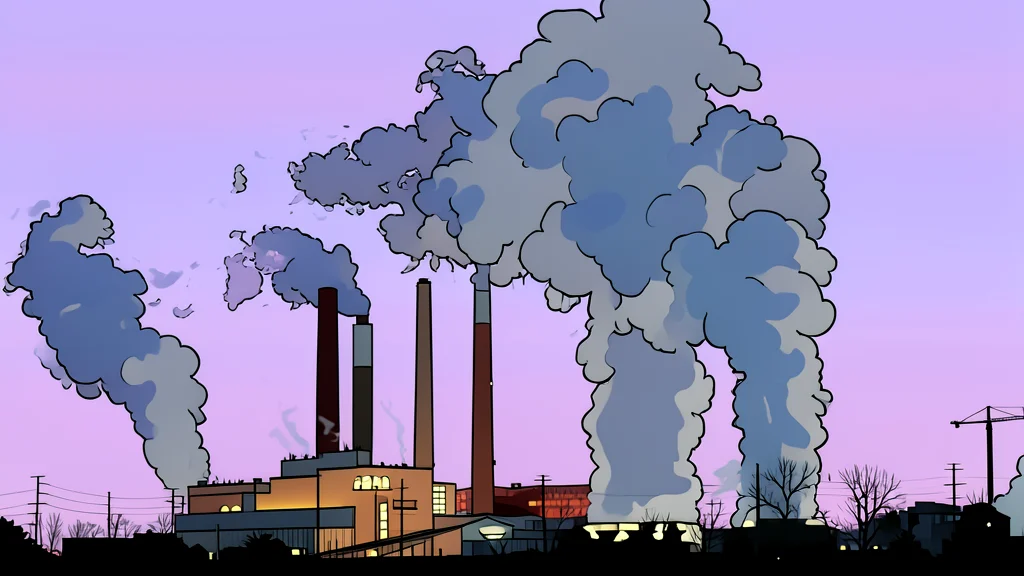
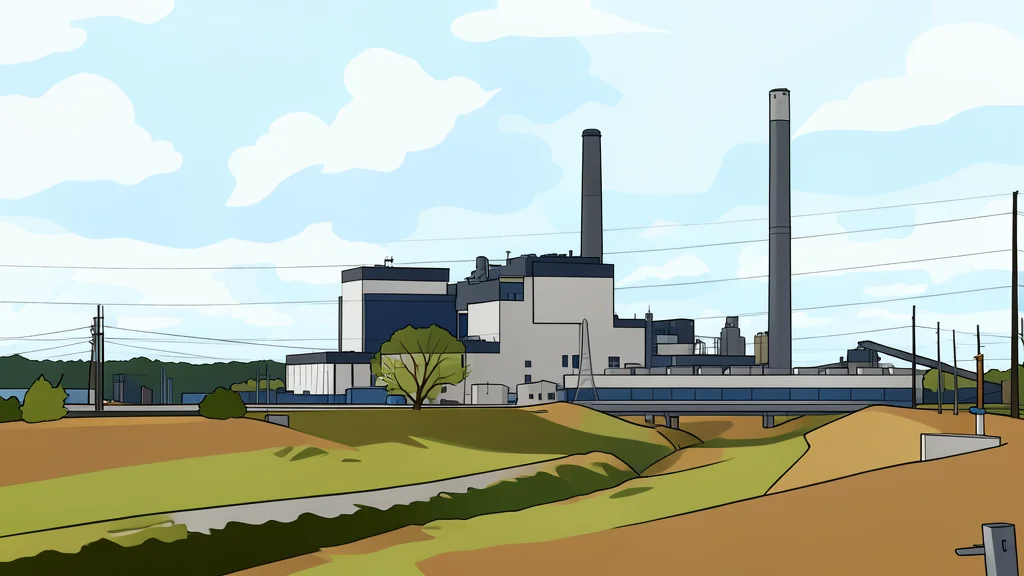
The US Environmental Protection Agency has officially removed specific greenhouse gas emission limits for coal-fired and gas-fired power plants, reversing regulations established during the previous administration. EPA Administrator Lee Zeldin announced the move during the G20 Energy Ministers meeting in Houston, framing the deregulation as a direct response to rising consumer energy costs.
The agency projects that eliminating these compliance requirements will save American households more than $310 billion. Zeldin further proposed a broader revocation of the EPA’s authority to regulate power plant emissions under the 1970 Clean Air Act, claiming this additional step would yield another $370 billion in savings. This decision aligns with the current executive’s broader policy framework, which includes the recent revocation of the 2009 endangerment finding for six key greenhouse gases.
Regulatory Shift Targets Industrial Output
The policy change is expected to significantly alter the operational landscape for the power sector. Zeldin stated that coal production for the electric sector is projected to increase by more than tenfold as a result of the relaxed constraints. This trajectory supports the administration’s goal of revitalizing coal mining, a key campaign promise, by removing the regulatory barriers that previously limited expansion of fossil fuel-based generation capacity.
The financial rationale provided by the EPA ties the cost savings directly to the elimination of compliance infrastructure and operational restrictions. By stripping away the agency’s statutory authority to enforce emission caps, the government aims to reduce capital and operating expenditures for utility companies, thereby passing lower rates to end-users. This approach prioritizes short-term cost containment over long-term environmental standards.
Legal Challenges Cite Public Health Mandates
Former EPA Administrator Gina McCarthy has publicly criticized the repeal, arguing that it improperly frees major industrial polluters from legal obligations. She emphasized that the Clean Air Act legally mandates the EPA to control major sources of pollution that endanger public health, including power plants. McCarthy’s position suggests that the current administration’s actions may face significant legal scrutiny for bypassing statutory requirements.
Power plants remain the second-largest source of greenhouse gas emissions in the United States, behind only the transportation sector. Critics warn that allowing higher pollution levels shifts the burden onto public health, particularly affecting younger generations. The dispute centers on whether the executive branch can unilaterally disregard established agency findings and statutory duties to regulate harmful emissions.
Sector Positioning Amid Policy Uncertainty
For energy industry stakeholders, this regulatory shift creates a dual environment of opportunity and volatility. While the projected cost savings and production increases favor coal and gas operators, the potential for legal challenges introduces compliance uncertainty. Companies in the sector must now navigate a landscape where federal support for fossil fuel expansion coexists with ongoing debates over the validity of the regulatory rollback.
The administration’s stance, described by critics as denying the scientific consensus on climate change, places the US energy sector in a distinct position relative to global peers. By prioritizing domestic cost savings and industrial output over emission reductions, the US is diverging from international climate commitments. This divergence may influence investment flows and operational strategies for multinational energy firms balancing domestic deregulation with global sustainability goals.