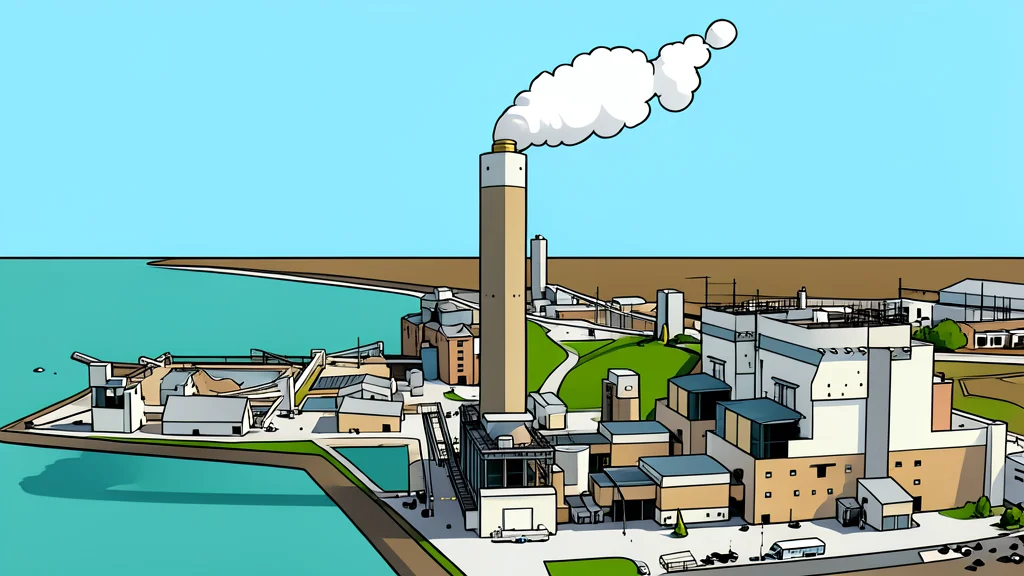
EPA Reversal Lifts Emission Caps on Fossil Fuel Plants
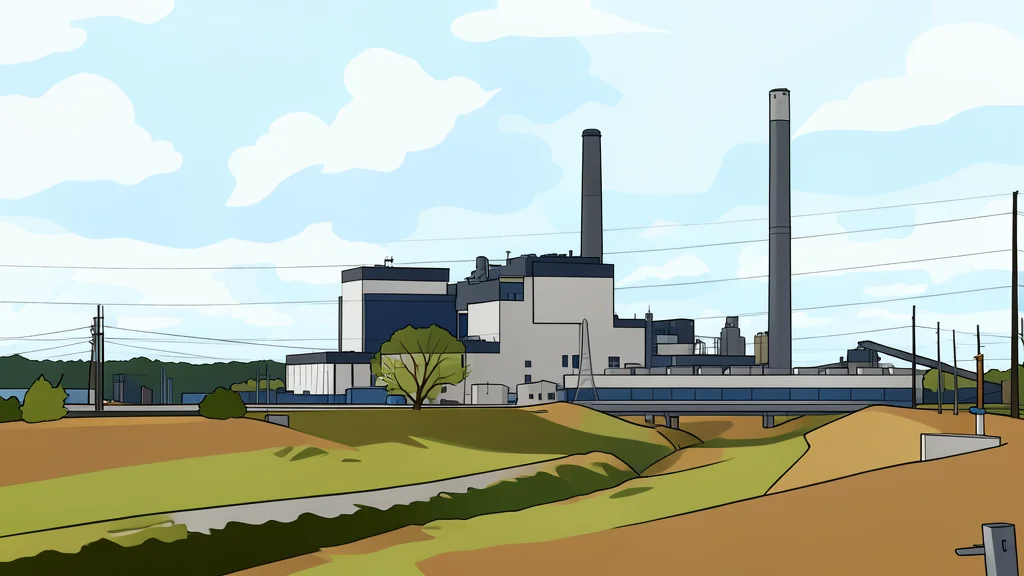
The US regulator drops mandatory carbon capture rules, shifting compliance costs to investors and altering the risk profile for coal and gas operators.
The Environmental Protection Agency has repealed regulations limiting greenhouse gas emissions from coal and natural gas power plants. This move removes mandatory requirements for facilities to install carbon capture and storage technologies or other abatement controls, directly reducing the capital expenditure and operational compliance costs for fossil fuel operators.
EPA Administrator Lee Zeldin stated that the rollback provides regulatory certainty for companies investing in domestic energy production. By eliminating what the agency described as burdensome regulatory battles, the administration aims to stabilize the financial outlook for plants that previously faced uncertain mandates for deep emissions reductions.
Regulatory Cost Savings and Capital Allocation
The agency claims the action results in savings into the trillions of dollars by freeing up capital that would have been tied up in compliance infrastructure. For power generators, this translates to lower operating expenses and a reduced need for large-scale capital projects related to emissions control. The administration argues this allows firms to redirect funds toward other operational needs or shareholder returns without the drag of mandatory environmental upgrades.
This shift alters the cost structure for existing coal and gas assets. Companies are no longer required to mitigate their output through specific technological interventions, effectively removing a key variable from their long-term financial models. The decision prioritizes immediate cost avoidance over long-term environmental risk management, changing the investment calculus for the sector.
Industry Impact and Emission Levels
Power plants remain the nation's second largest source of carbon dioxide emissions. By repealing the rules, the EPA allows these facilities to continue operating at higher emission levels without regulatory penalty. This contrasts with the previous administration's stance, which sought to force a sharp reduction in pollution through strict standards and technology mandates.
The repeal removes the legal obligation for companies to adopt cleaner technologies, potentially extending the economic viability of older, high-emitting infrastructure. This creates a divergent risk landscape where regulatory compliance costs are minimized, but environmental liability and community health impacts are left unaddressed by federal mandate.
Legal Challenges and Future Policy Risk
The EPA is making a broader legal argument questioning the scope of federal authority to regulate greenhouse gases as harmful air pollutants. This position could set a precedent that limits future administrations' ability to impose similar restrictions. Critics, including the Environmental Defense Fund, argue this approach disregards the legal responsibility to protect public health under clean air laws.
Vickie Patton, general counsel for the Environmental Defense Fund, noted that the administration assigns no value to the protection of communities from harmful pollution. The decision shifts the burden of environmental risk to local neighborhoods and increases the uncertainty for businesses relying on stable climate policy frameworks. This legal stance may invite significant litigation, as the interpretation of EPA's mandate under existing statutes remains contested.