AI Leaders Pivot from Warnings to Trust Appeals
Following intense public debate on AI risks, major tech executives are shifting their messaging toward confidence in safety and economic potential.
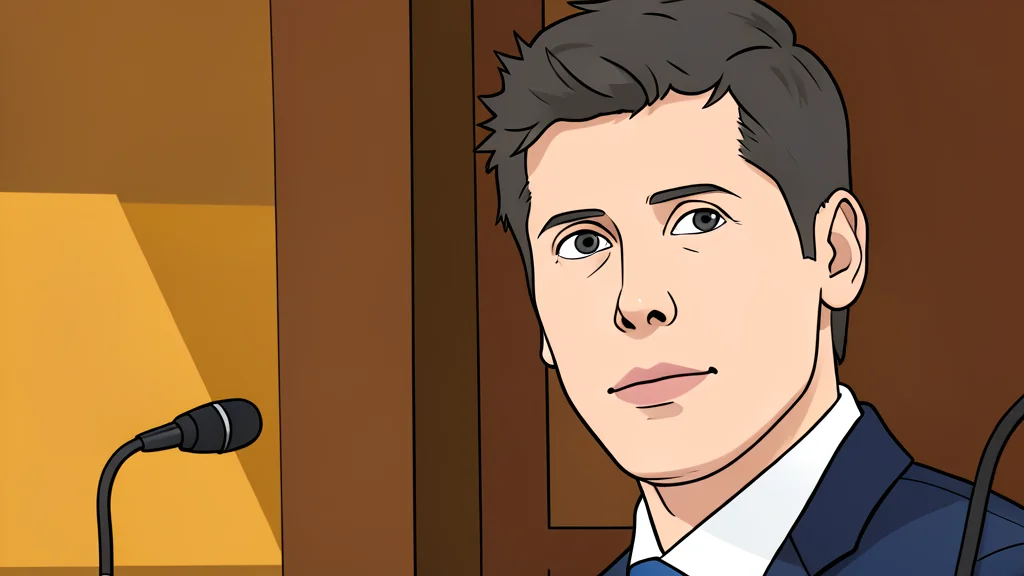
OpenAI CEO Sam Altman has urged the public to place their trust in the industry's ability to manage artificial intelligence safely. Speaking at a major conference in San Francisco, Altman emphasized that the company feels the weight of its responsibilities and is committed to doing what is right, even as the industry faces growing scrutiny.
This shift in tone follows a week of intense warnings from AI workers and experts who argued that the technology poses significant risks. The debate moved beyond the tech community after a former Anthropic employee accused major AI firms of gambling with public safety, sparking a broader conversation involving global leaders and policymakers.
Executives prioritize growth over caution
While Altman called for trust, his counterpart Dario Amodei of Anthropic highlighted the vast untapped potential of the technology. Amodei suggested that the industry is currently using only a small fraction of AI's possible value, arguing that there is much more to be gained from expanding adoption rather than pausing development.
This optimistic outlook contrasts sharply with Amodei's recent manifesto, which warned that AI systems could soon outpace human control. The discrepancy between his written warnings and his public statements has raised questions about whether the emphasis on safety is genuine or a strategic move to manage public perception before a potential public offering.
Regulation debates remain unresolved
The approach to governance is split among top leaders. While Altman and Amodei have called for new laws and independent oversight, Nvidia CEO Jensen Huang argues that market forces are sufficient. Huang maintains that companies should simply refrain from releasing products they are not confident about, rejecting the need for new regulatory frameworks.
Critics have suggested that the push for regulation might be a tactic to favor specific companies or boost their valuation. This skepticism complicates the narrative of shared responsibility, as different executives present conflicting views on how to balance innovation with public safety.
Public trust faces a test
According to GN technics/ai (en-US), the industry is now testing whether its promises of safety can withstand public scrutiny. As the debate continues, the gap between executive assurances and the rapid pace of technological change remains a central concern for those relying on these systems.