Ford's F-150 Lightning Pivot: The Shift to Extended Range
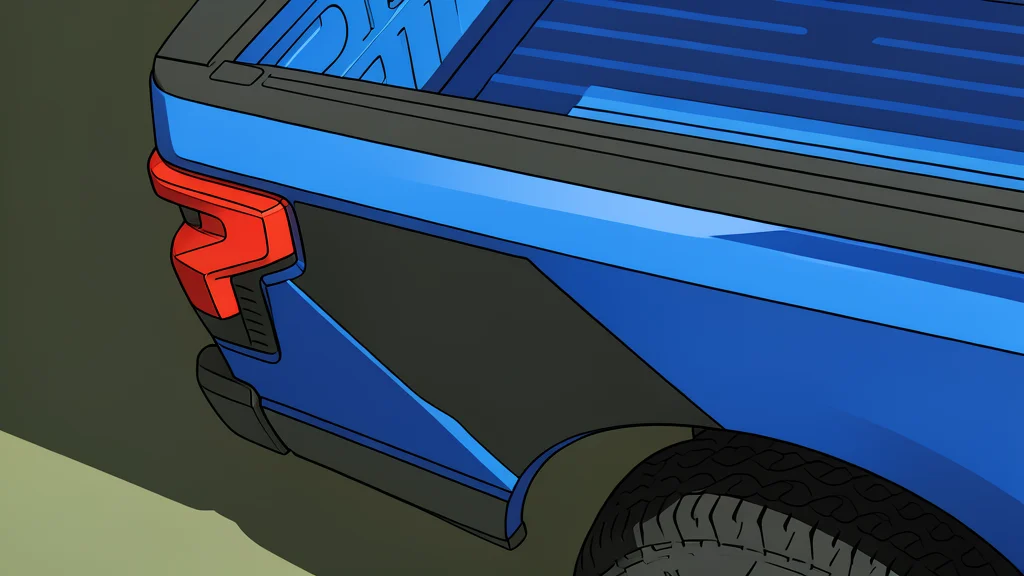
Ford is ending its all-electric F-150 Lightning to replace it with a gas-powered hybrid version, citing high costs and slowing sales.
Ford has decided to end production of its current all-electric F-150 Lightning, a move that marks a significant departure from its recent electric vehicle strategy. The decision, announced in late 2025, stems from the high financial costs of developing the pure battery-electric model and a noticeable slowdown in sales within the North American market. While the truck received positive reviews for its performance and utility, it failed to achieve the commercial breakeven point the company required.
In place of the discontinued model, Ford is preparing a new variant that will retain the Lightning name but change its powertrain fundamentally. This next-generation truck will feature an extended-range electric powertrain, combining a gasoline engine with electric motors. According to reporting by GN auto tech/ev: electric vehicle, this hybrid approach is designed to address range anxiety and reduce the overall cost of ownership, aiming to make the truck more competitive against other electric and hybrid pickups in the segment.
High costs drove the strategic shift
The primary driver behind this change is financial. Producing the all-electric version required significant investment in dedicated manufacturing lines and specialized battery and motor factories in Michigan. Despite these efforts, the vehicle did not generate enough profit to justify the expenditure. Additionally, the removal of federal tax credits for electric vehicles in September 2025 removed a key financial incentive for buyers, further depressing demand for the pure electric model.
Ford's strategy now prioritizes a powertrain that appeals to a broader audience who may be hesitant to commit to a fully electric vehicle. By incorporating a gasoline engine, the new truck can rely on a fuel tank for long-distance travel or heavy towing, while using electric motors for daily driving. This reduces the need for massive, expensive battery packs, which are the most costly component in an electric vehicle, thereby lowering the sticker price.
Extended range solves the distance problem
The most tangible benefit for consumers is the elimination of range anxiety. The previous all-electric model offered a maximum range of approximately 300 miles on a full charge. The new extended-range design is projected to offer over 700 miles of total range by combining the electric battery capacity with the fuel economy of a gasoline engine. This allows drivers to travel long distances without the need to plan around charging stations, a major hurdle for electric pickup trucks.
This configuration also changes the charging and refueling dynamic. While the truck will still have electric outlets for utility power and can be charged externally, it no longer depends entirely on the charging infrastructure. The trade-off, however, is that the vehicle is heavier and more complex than a pure gasoline truck, and it may not achieve the same level of energy efficiency as a dedicated battery-electric vehicle in city driving. Buyers are essentially getting a compromise that balances electric performance with the convenience of a gas tank.
Production continues at Dearborn facility
Despite the change in powertrain, Ford is maintaining its manufacturing footprint for this vehicle. The new extended-range model will be assembled at the same Rouge Electric Vehicle Center in Dearborn, Michigan, where the current model is produced. This indicates that the company is not abandoning its electric vehicle infrastructure but is instead adapting it to support a broader range of powertrain technologies. The factory's capabilities will now support the production of electric motors and battery systems for the hybrid configuration, ensuring that the transition does not result in a complete loss of EV-related jobs or infrastructure.
For the automotive industry, this move signals a cautious retreat from the aggressive push toward full electrification in the truck segment. It suggests that consumer preference in North America remains mixed, with many buyers preferring the flexibility of hybrid or extended-range systems over the pure electric experience. Ford is betting that this more pragmatic approach will stabilize sales and allow the brand to compete more effectively in a market that is still largely dominated by internal combustion engines and hybrids.