AI Reliance Risks Starving Human Creativity
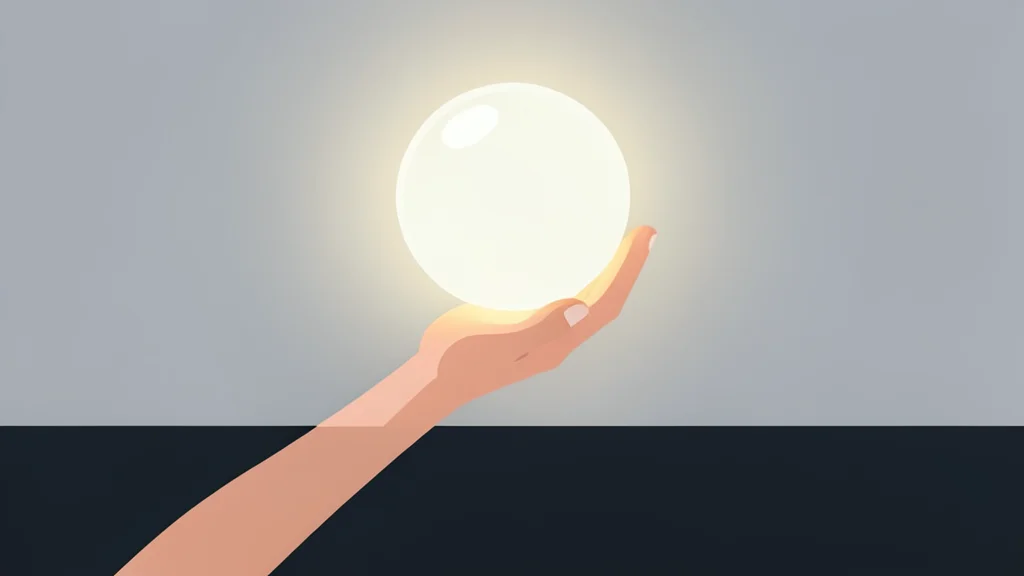
Artificial intelligence systems depend heavily on human intellectual property for training. As these models increasingly consume existing content, there is a growing concern that they may eventually degrade in quality and damage the creative ecosystem they rely on.
Artificial intelligence is often presented as a neutral tool for efficiency and innovation. However, a critical issue remains largely overlooked in public discourse. These systems do not generate value from a vacuum; they are trained on vast amounts of existing human work. This includes books, code, music, and educational materials. The reliance on this existing intellectual property creates a fundamental dependency that many stakeholders are beginning to question.
A concept known as AI model collapse highlights the risks of this dependency. If models are trained primarily on content generated by other AI systems, the output quality tends to decline. This process is sometimes described as digital inbreeding, where errors multiply and originality weakens over time. To maintain high-quality outputs, these systems require a continuous supply of fresh, original human ideas. This creates a paradox where AI companies need human creativity to survive, yet their current business models often treat that creativity as a free resource.
Uncredited Work Powers Billion Dollar Models
Authors, artists, and educators are increasingly finding their work absorbed into AI training datasets without consent or compensation. This practice has led to significant legal controversies, including large-scale copyright settlements. For many creators, their life work is being used to build products that compete with their own livelihoods. The lack of attribution and financial reward undermines the incentive for people to create new content in the first place.
This dynamic creates a cultural risk that extends beyond individual financial losses. When creators believe their work will be scraped and monetized by others, they become less willing to share their ideas openly. This hesitation leads to a reduction in the flow of new information and innovation. If the supply of fresh human input dries up, the AI systems themselves will suffer from a lack of quality training data. The ecosystem becomes less productive for everyone involved.
Protecting Creativity Requires New Standards
Addressing this issue requires a shift in how intellectual property is treated in the tech industry. Creators need better ways to document and protect their work, while policymakers must establish clearer rules regarding consent and compensation. AI companies must recognize that human creativity is a finite resource, not an infinite well. Without a fair framework that respects the source of this data, the long-term viability of AI systems may be compromised.
The goal is not to halt technological progress but to ensure it remains sustainable. A healthy innovation ecosystem requires a balance between leveraging existing knowledge and respecting the rights of those who created it. As reported by GN technics/ai (en-US), the focus must remain on protecting the human element that drives AI forward. Only by securing the rights of creators can we ensure that AI continues to evolve in a way that benefits society rather than depleting it.