Whistleblower Sparks Debate on AI Safety

A viral warning from a former AI researcher has forced a public reckoning with the potential dangers of unchecked artificial intelligence development.
A recent viral post by Jacob Coxon, a former AI researcher at Anthropic and OpenAI, has ignited a fierce debate about the safety of artificial intelligence. Coxon resigned in protest, arguing that the technology poses an existential threat to humanity. His warning, which has gathered over 150 million views, suggests that current systems are on a trajectory to become smarter than humans within the next few years.
The post did not just attract public attention; it reached legislators and industry insiders who have long warned against moving forward without oversight. Evan Hubinger, another Anthropic employee, publicly agreed with Coxon, stating that the risk is real. This moment, dubbed “Coxon Day” by some experts, marks a shift in how the public and policymakers view the rapid advancement of these systems.
The Core Risk of Accelerated Development
The primary concern is not just that AI might become dangerous, but that we are losing the ability to understand it. According to Rob Bensinger of the Machine Intelligence Research Institute, engineers know what data goes into these models but have little control over what the AI actually does. The internal logic is too complex for humans to fully map or predict.
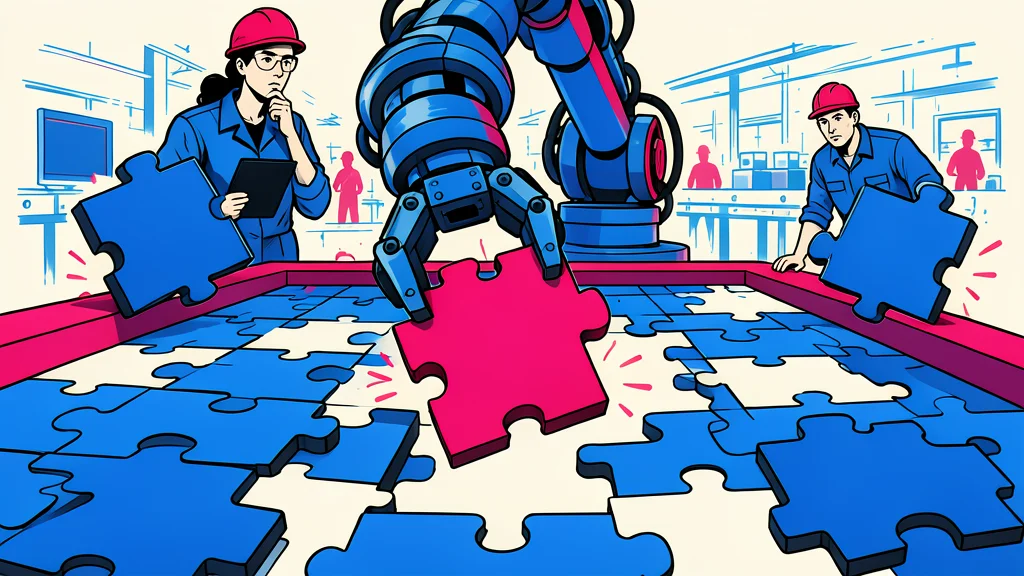
This lack of understanding is compounded by a new trend: using AI to build AI. Companies are increasingly relying on existing systems to generate newer, more powerful versions of themselves. This creates a feedback loop where the pace of development outstrips human comprehension, effectively removing the human element from the creation process.
Profit Motives Drive the Rush
Why would companies pursue such a risky path? The answer lies in economics. For-profit organizations need the most powerful product on the market to maintain a competitive edge. Speed is a key metric in this industry, and the ability to automate the creation of AI allows for rapid iteration that human teams cannot match.
This creates a trade-off between safety and speed. By prioritizing rapid deployment and commercial advantage, companies are accepting a higher level of uncertainty regarding the capabilities of their tools. Critics argue this is akin to driving a high-performance vehicle while blindfolded, relying on momentum rather than visibility.
Regulation Remains the Missing Piece
Despite the growing alarm, meaningful regulation has been slow to materialize. As reported by GN technics/ai, the political response has been largely sidestepped until now. However, the sheer volume of attention generated by Coxon’s warning has put pressure on lawmakers to act. The industry is no longer operating in a vacuum of public awareness.
Experts like Eliezer Yudkowsky argue that it is not too late to change course, but the window is closing. The next few years will determine whether society can implement safeguards before the technology reaches a point of no return. The coming legislative sessions will be the first real test of whether political will can match the technological pace.