Altman Proposes US-China AI Treaty for Nobel Peace Prize
OpenAI's CEO suggests a bilateral agreement on AI safety could resolve geopolitical tensions and secure a prestigious award for world leaders.
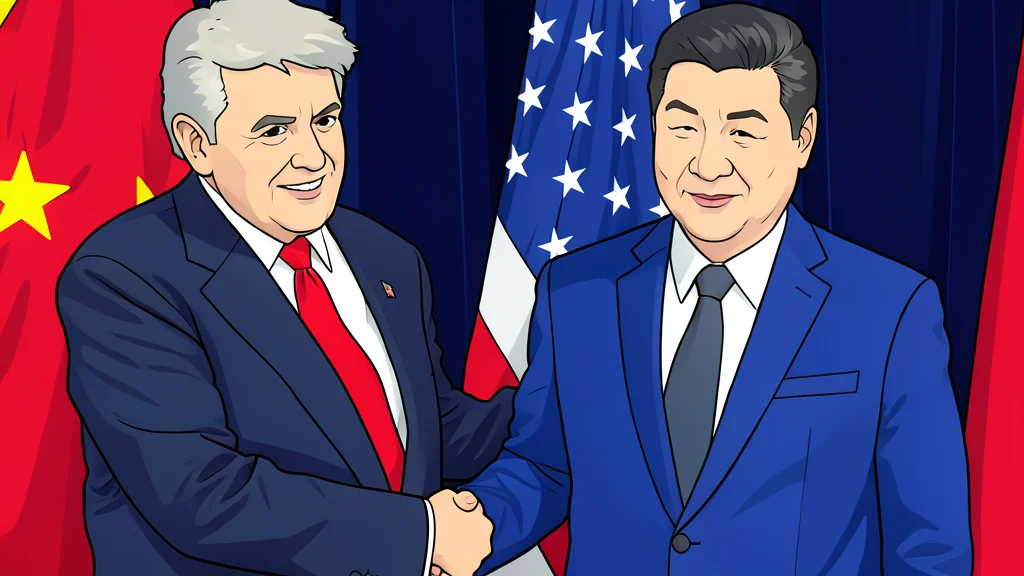
Sam Altman, the chief executive of OpenAI, has proposed a bold diplomatic solution to the escalating race between the United States and China in artificial intelligence. In an interview with Fortune, Altman suggested that if Presidents Donald Trump and Xi Jinping were to agree on shared safety standards, they would merit the Nobel Peace Prize. The central argument is that cooperation on preventing catastrophic AI failures serves a greater global good than maintaining a competitive disadvantage.
This proposal comes at a time when anxiety over AI risks has shifted from economic displacement to existential threats. Altman argues that a one-page document outlining mutual guardrails could mitigate the risk of losing control over superintelligent systems. The trade-off is that neither nation would be allowed to prioritize speed over safety, potentially slowing the pace of technological innovation to ensure long-term stability.
Shared standards over competitive speed
Altman believes that the current dynamic, where each superpower fears the other gaining a decisive advantage, is unsustainable. He suggests that both countries should agree on specific rules for development, testing, and monitoring alignment before proceeding with major advancements. This approach aims to prevent a concentration of power that could destabilize global relations. The catch is that such an agreement requires a level of trust and transparency that has been historically absent in US-China technological competition.
Internal dissent highlights safety concerns
The push for external treaties mirrors internal turmoil within the AI industry. Recently, a researcher at Anthropic resigned, accusing both Anthropic and OpenAI of acting irresponsibly by racing toward self-improving superintelligence. The researcher, Jacob Coxon, stated that these companies are gambling with human lives. This sentiment was echoed by Anthropic’s head of alignment, who acknowledged that many researchers believe AI could potentially wipe out humanity, estimating the risk at more than 10% within the next decade.
In response to these concerns, Anthropic CEO Dario Amodei announced new safety measures, including granting independent evaluators permanent access to internal systems. Altman indicated that OpenAI and other leading firms may soon announce a collective pact to slow development. The underlying tension remains that while safety is a shared goal, the implementation of strict controls could be seen as a strategic concession by competitors, making international agreements a complex diplomatic challenge.
Existential stakes reshape industry priorities
The landscape of AI development is undergoing a significant shift as the stakes reach levels comparable to the Cold War nuclear arms race. Earlier concerns focused on job losses and student cheating, but the current discourse centers on human survival. According to reporting from GN technics/ai (en-US), the industry is grappling with the reality that unchecked AI progress poses a unique threat to global security. This shift in perspective is driving calls for more rigorous oversight and international cooperation.
Altman’s proposal for a US-China deal represents an attempt to formalize these safety concerns into a diplomatic framework. While the idea of a Nobel Peace Prize for an AI treaty is provocative, it underscores the magnitude of the risk. The trade-off is clear: accepting slower development and shared oversight in exchange for reduced existential risk. As the industry moves forward, the balance between innovation and safety will remain a critical point of contention.