Anime Reaction Creators Clash with Copyright Enforcers
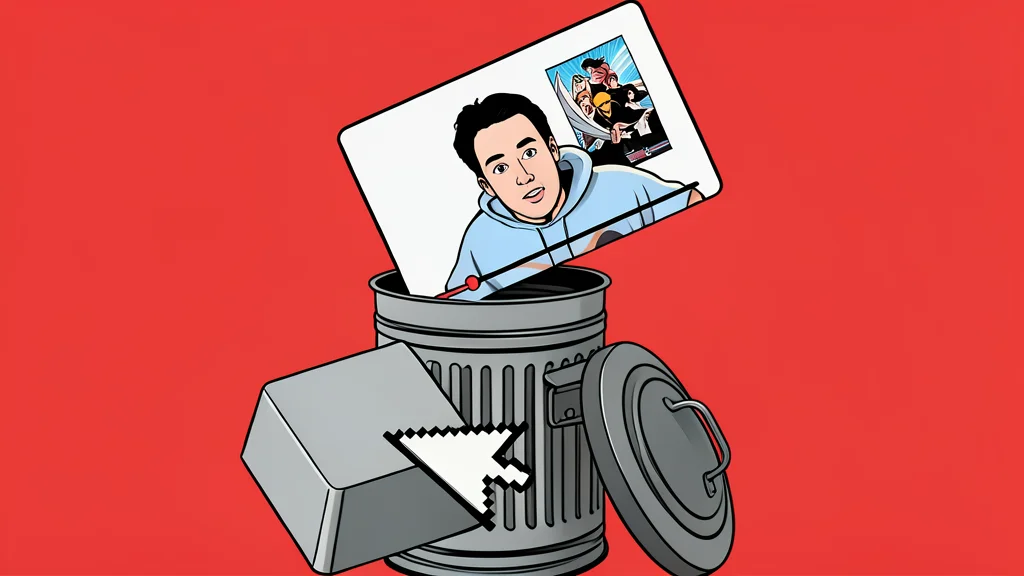
A recent dispute between prominent YouTubers and a copyright enforcement firm has highlighted the growing friction over fair use in reaction videos.
On September 6, YouTuber Nicholas Light published a video claiming his channel was slated for deletion due to a surge of copyright strikes. The incident centers on Remove Your Media, a company that submits takedown requests to platforms like YouTube on behalf of copyright holders. Light accused the firm of targeting creators who feature clips from popular anime series, alleging that the strikes were often false and unrelated to legitimate intellectual property protection.
The conflict has drawn attention to how automated enforcement tools interact with content that claims fair use. While Light later confirmed that YouTube removed the strikes and saved his channel, the episode underscores a broader tension between creators who argue their commentary transforms the source material and companies that view the inclusion of full copyrighted works as infringement.
Creators Argue Their Content Is Transformative
Many affected channels specialize in reaction videos, where creators record themselves commenting on anime or gaming footage. These videos often feature blurred or altered clips of copyrighted media, with the creator’s face and commentary serving as the primary focus. Light and other creators maintain that this format is fundamentally transformative, akin to critical review or parody, and therefore protected under fair use laws.
However, the enforcement company disagrees with this interpretation. A legal representative for Remove Your Media stated that simply adding commentary does not make the use transformative if the copyrighted work is shown in its entirety. The company argues that these videos often serve as a free alternative to paid streaming services, which undermines the economic interests of rights holders like Viz Media and Crunchyroll.
Enforcement Firms Rely On Bulk Takedowns
Remove Your Media reports thousands of infringing links daily, many discovered through automated online searches rather than manual review. The company submits Digital Millennium Copyright Act takedown requests in bulk, asserting that it acts in good faith without needing to extensively review each video’s context. This high-volume approach allows for rapid removal of content but increases the likelihood of false positives, where legitimate fair use content is mistakenly targeted.
Light suggests that the firm’s aggressive tactics may be a strategy to gain visibility among major media companies, potentially leading to larger contracts. He criticized the company for being sloppy in its execution, noting that the public backlash from major channels has damaged the firm’s reputation. The catch for creators is that even when they win the argument later, the immediate loss of traffic and the stress of potential channel deletion create significant professional risk.
Uncertainty Remains For Niche Creators
The situation leaves many smaller creators in a precarious position. While high-profile cases like Light’s may receive quick resolutions from platform moderators, the average creator lacks the visibility to push back effectively against automated takedowns. As The Verge notes, the boundary between fair use and infringement in reaction videos remains legally ambiguous, making it difficult for creators to know where the line is drawn.
Until clearer guidelines are established by platforms or courts, creators must navigate a landscape where their livelihoods depend on the discretionary decisions of third-party enforcement firms. The trade-off is stark: either avoid using copyrighted material entirely, limiting the scope of their content, or accept the constant risk of having their work removed despite believing it is legally protected.