Bell's Regina Data Center Expansion Faces Resource Concerns
A massive expansion of an AI data center in Saskatchewan promises economic growth but raises urgent questions about power and water.
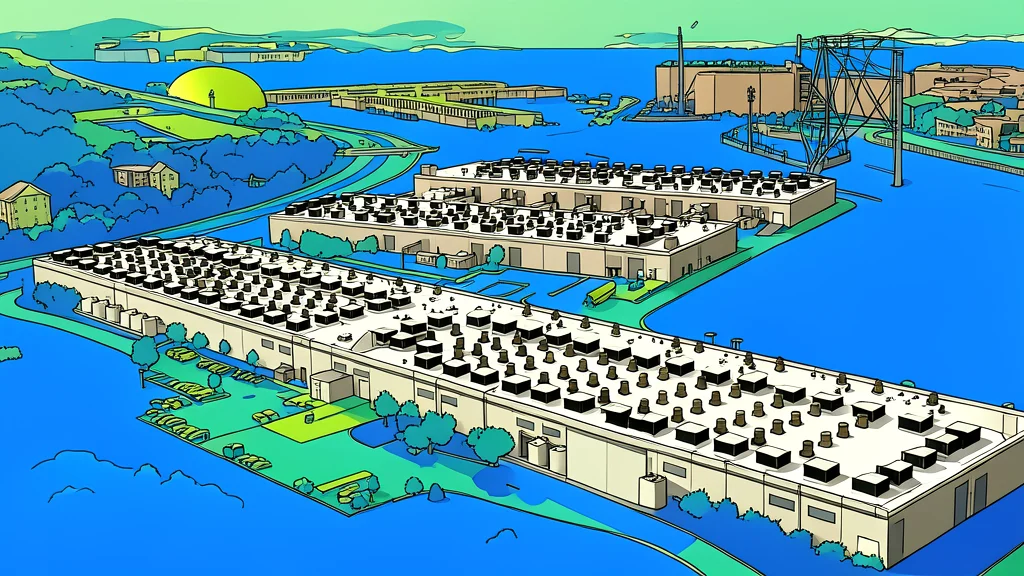
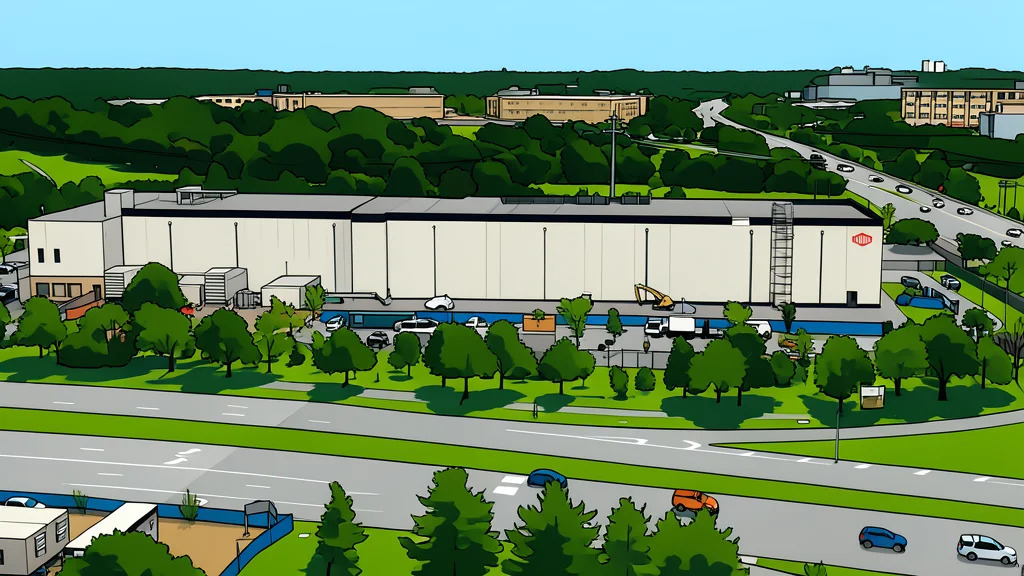
Bell Canada has announced a $52 billion plan to quadruple the power capacity of its proposed artificial intelligence data center near Regina, Saskatchewan. The project would expand the facility from 300 megawatts to 1.2 gigawatts, a scale that represents nearly a third of the province's total peak electricity demand.
While provincial officials frame the development as a strategic move to keep Canadian data domestic and create hundreds of jobs, local residents and policy analysts are scrutinizing the environmental and economic trade-offs. The central tension lies between the promised economic benefits and the significant strain such a facility could place on regional infrastructure and natural resources.
Power demand challenges provincial limits
The sheer scale of the energy requirement is the primary concern for critics. Simon Enoch, a researcher at the Canadian Centre for Policy Alternatives, notes that 1.2 gigawatts is a substantial portion of Saskatchewan's overall consumption. He suggests that to meet this demand without impacting the grid, Bell might build its own natural gas generation facility.
If Bell proceeds with a self-contained power plant, it could be larger than the province's current largest gas station in Saskatoon. This raises a critical catch: while the government says consumers will not pay directly for the expansion, Enoch argues there is no guarantee that off-grid generation will fully protect residents from indirect rate hikes or environmental impacts associated with new fossil fuel infrastructure.
Water usage remains a key debate
Data centers are traditionally water-intensive due to cooling needs, but the Saskatchewan government claims this facility will use a closed-loop system similar to a vehicle radiator. This design allegedly prevents continuous water consumption for cooling, relying instead on the province's cold, dry climate to manage heat.
Officials estimate the project's water use will be comparable to a mid-sized office building or a hockey arena, covering only basic needs like fire safety and restrooms. However, critics remain skeptical about the long-term sustainability of this claim, noting that even minor leaks or inefficiencies in such a large system could have cumulative effects on local water tables.
Economic promises meet local uncertainty
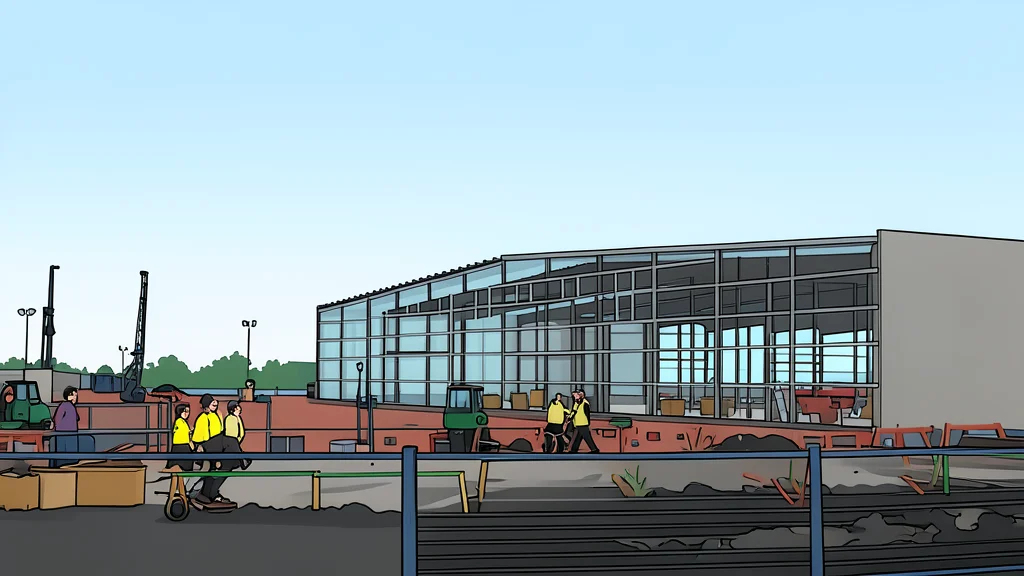
Proponents highlight the potential for up to 500 permanent jobs and thousands of temporary roles in construction and security. Premier Scott Moe has emphasized the national security aspect, arguing that keeping data within Canada is essential for protecting sensitive information in banking and healthcare.
Despite the approval from the local RM of Sherwood, the community faces a complex trade-off. The economic boost is significant, but the long-term commitment to such a resource-heavy facility locks in infrastructure costs and environmental responsibilities that may outlast the initial construction phase, leaving residents with questions about who ultimately bears the burden of maintaining this technological hub.