House Votes on Bill to Shift AI Data Center Energy Costs
A bipartisan bill headed for a House vote seeks to force large AI data centers to pay for their own power infrastructure, preventing those costs from landing on everyday consumers' utility bills.
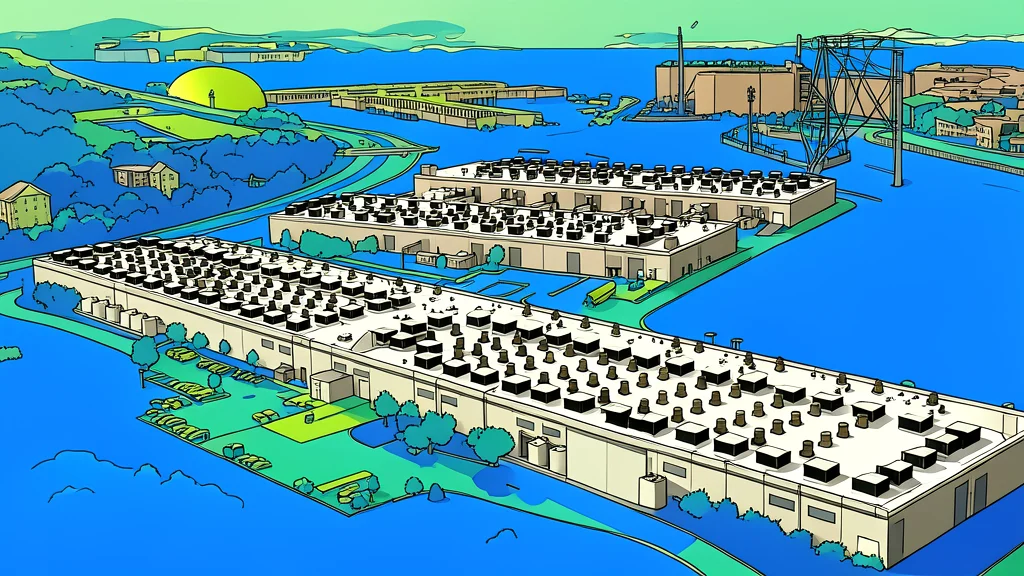
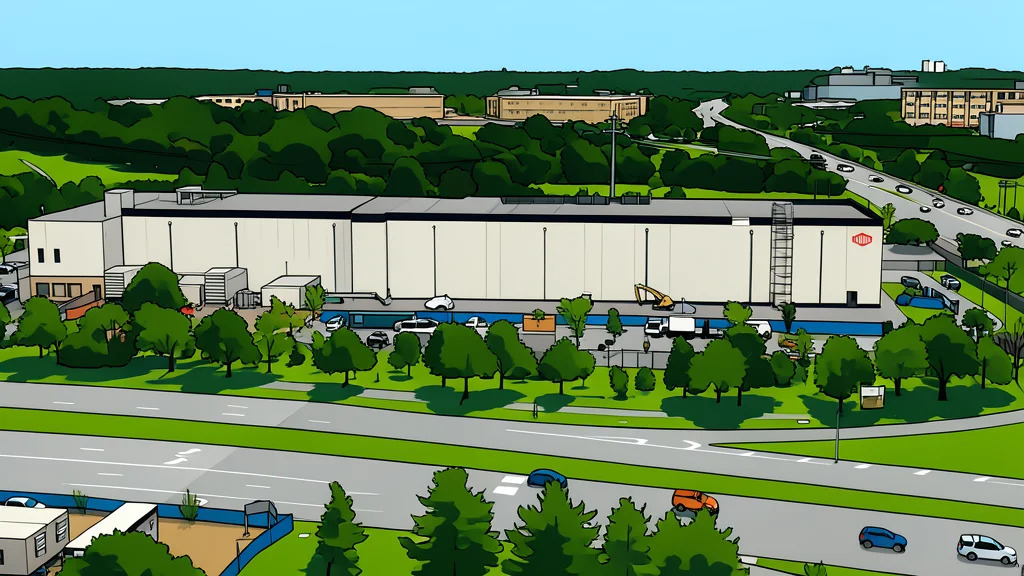
The U.S. House of Representatives is set to vote as early as Tuesday night on legislation designed to stop artificial intelligence data centers from driving up residential electricity rates. The measure, known as the Ratepayer Protection Act, aims to ensure that companies building massive computing facilities bear the financial burden of expanding the power grid to meet their needs, rather than passing those expenses on to local households.
This legislative push comes amid growing public frustration over the rapid expansion of data centers, a trend that has become a central issue in the upcoming 2026 midterm elections. Both Republican and Democratic lawmakers are eager to demonstrate to voters that they are taking concrete steps to manage the economic impact of the AI boom, particularly the rising cost of living associated with increased energy demand.
Bill targets large energy consumers
The core mechanism of the bill requires data centers demanding 100 megawatts or more of power to cover the costs of new infrastructure, such as transmission lines and power generation sources. According to the sponsors, this approach follows a simple principle: the entities creating the new demand should be responsible for the costs of meeting it. The legislation codifies parts of a previous executive pledge by the White House, providing a federal framework that state regulators can adopt to enforce these cost-shifting measures.
Political stakes drive bipartisan support
The bill was introduced by Representative Gabe Evans, a Colorado Republican, and Representative Kathy Castor, a Florida Democrat. Both politicians are facing highly contested reelection races, where issues related to data centers and utility costs have gained significant traction. The move is expected to pass via a suspension of the rules procedure, a fast-track method that requires a two-thirds majority. This high threshold suggests broad agreement across party lines, driven by a shared desire to address constituent concerns before returning to their districts to campaign.
Critics argue the measure is weak
Despite the bipartisan support, environmental and consumer advocacy groups have voiced significant concerns about the bill’s effectiveness. Sara Chieffo of the League of Conservation Voters argues that the legislation is too voluntary, noting that state regulators could simply choose to ignore the directives. She contends that a weak federal suggestion does not provide the strong protections needed for ratepayers.
Mitch Jones of Food & Water Watch offers a different critique, suggesting the bill might actually accelerate the construction of new data centers by providing a questionable pathway for companies to claim they are self-funding their power usage. Jones and other activists argue that Congress should instead implement a complete pause on new AI data center projects to fully address the crisis. House Minority Leader Hakeem Jeffries supports the bill as a step forward but acknowledges that more needs to be done to tackle the industry's broader impacts.