Electreon Introduces Wireless Charging Pads for Stationary Electric Vehicles
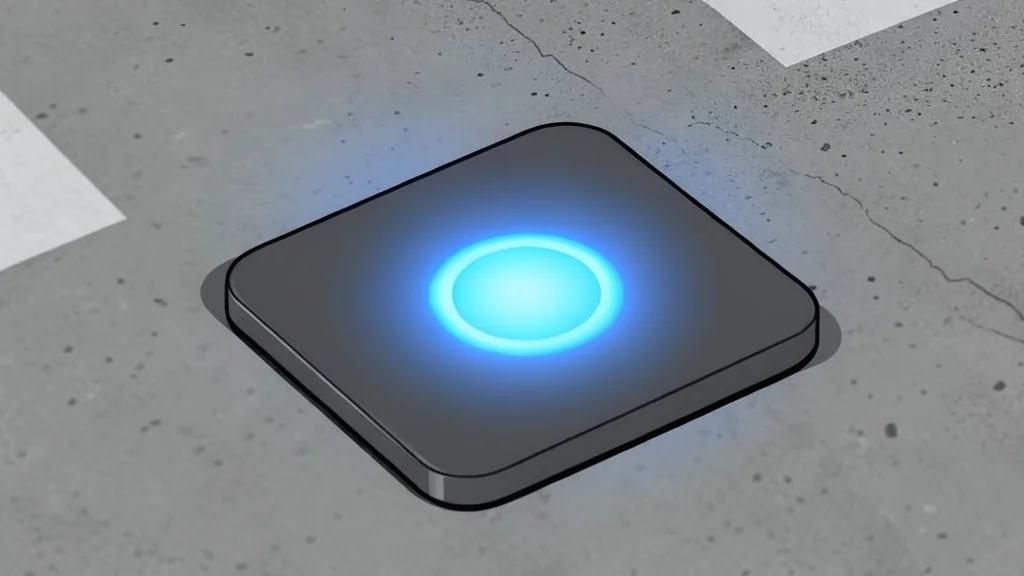
Electreon is introducing Lite DOT, a wireless charging system designed to eliminate the need for physical cables in parking facilities.
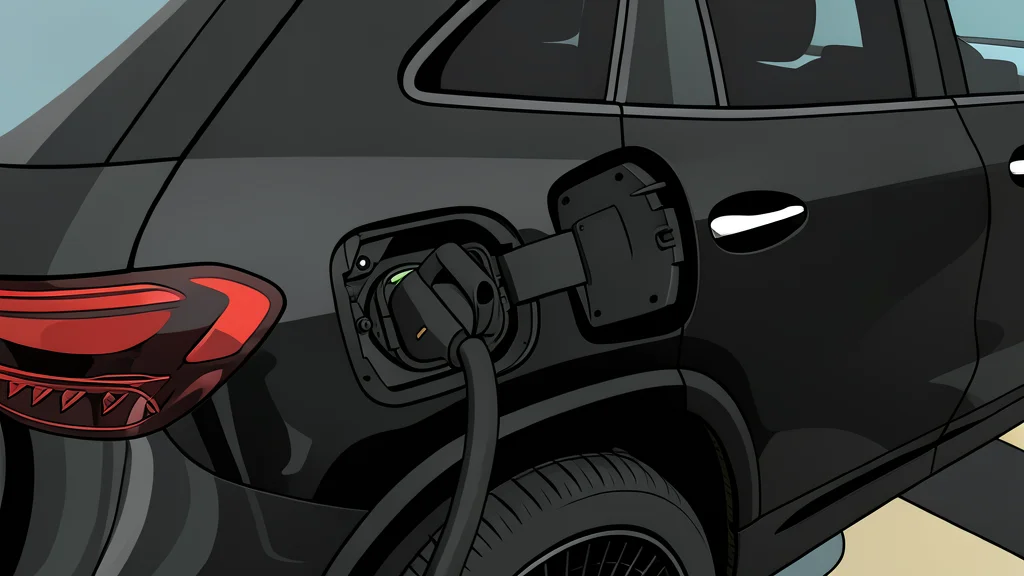
The daily ritual of plugging in an electric vehicle often involves wrestling with heavy, dirty cables in poor weather. In commercial settings, the process can lead to equipment damage or drivers simply forgetting to charge after long shifts. Electreon aims to solve this friction by removing the cable entirely from the stationary charging process.
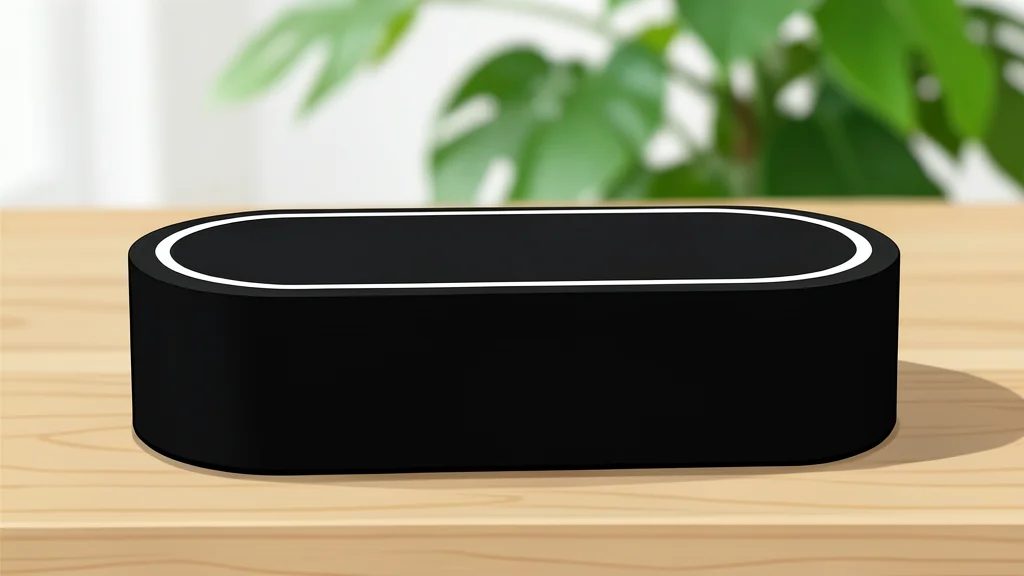
The company is showcasing the Lite DOT system, which uses inductive technology to transfer power from a ground-mounted pad to a receiver under the vehicle. This approach targets vehicles that remain parked for extended periods, such as fleet vans and family cars, offering a cleaner and more durable alternative to traditional plug-in methods.
Replacing cables with ground-mounted pads
The system consists of three main components: a thin pad installed on the parking surface, a wall-mounted controller, and a receiver attached to the car's chassis. Once the vehicle is parked, an encrypted digital handshake initiates power transfer. This eliminates the physical strain of handling connectors and prevents damage caused by vehicles rolling over cables.
According to GN auto tech/ev: electric vehicle, this solution is particularly suited for depots and home driveways where deep excavation is impractical. The pad remains dormant until an authorized vehicle activates it, ensuring safety for pedestrians and animals while avoiding the need for complex civil engineering work associated with dynamic road charging.
Balancing efficiency with practical limitations
Lite DOT delivers up to 11 kilowatts of power, matching the output of standard commercial wallboxes. This rate is sufficient for overnight charging but does not provide the rapid top-up speeds of direct current fast chargers. The trade-off is reliability and convenience over speed, as the system is designed for passive, long-duration power transfer rather than quick service stops.
Electreon claims an efficiency of up to 90 percent under specified conditions, addressing concerns about energy loss in wireless induction. The hardware is rated to operate in temperatures ranging from minus 30 to plus 50 degrees Celsius, making it resilient against rain, ice, and snow. However, users must accept that this technology is not a replacement for high-speed highway charging but rather a complement to it.
A shift from dynamic to static focus
The company previously focused on dynamic charging, embedding coils in roads to power vehicles while moving. While this technology has been tested in Sweden, Italy, and France, the infrastructure requirements for public roads remain prohibitive. Lite DOT represents a pivot toward stationary applications, leveraging the company's recent acquisition of InductEV to refine its hardware for fixed locations.
This strategic shift allows Electreon to address a more immediate pain point in the electric vehicle transition. By focusing on the eight to ten hours a day that vehicles spend parked, the company targets the most common charging scenario for many owners. The system adheres to international electromagnetic safety guidelines, ensuring that the exposed magnetic field poses no risk to nearby individuals when the device is active.