Data Center Cooling Shifts to Liquid and Precision Control
As rack power demands exceed 25 kilowatts, AI infrastructure is moving beyond air cooling to advanced liquid systems and dynamic temperature management.
Key points
- Server rack power demands exceeding 25 kilowatts are forcing a transition from air to liquid cooling systems.
- Rigid copper heat pipe assemblies offer better thermal performance but significantly reduce ease of maintenance.
- Sensor-based thermoelectric cooling can stabilize memory temperatures but introduces high power consumption costs.
The second day of the AI Infra Summit revealed a fundamental shift in how high-performance computing hardware is managed. As artificial intelligence workloads drive power consumption in server racks to levels far beyond traditional enterprise standards, air cooling is no longer sufficient. The industry is rapidly transitioning to liquid-based solutions to handle the intense heat generated by modern processors and memory stacks.
Attendees observed a variety of innovative approaches to thermal management, including rigid copper heat pipe assemblies and sensor-driven cooling plates. These technologies aim to maintain stable operating temperatures for critical components, addressing the energy inefficiencies and thermal bottlenecks that have become common in dense AI data centers.
Liquid Cooling Becomes Data Center Standard
Rack power requirements are now frequently exceeding 25 kilowatts, a threshold that traditional air cooling cannot effectively manage. To address this, vendors are deploying water blocks and integrated cooling loops directly onto hardware. This shift is particularly critical for high-bandwidth memory and specialized accelerators, which generate significant heat in compact spaces. Without effective liquid cooling, these systems risk thermal throttling or failure under sustained load.
Rigid Heat Pipes Trade Serviceability for Performance
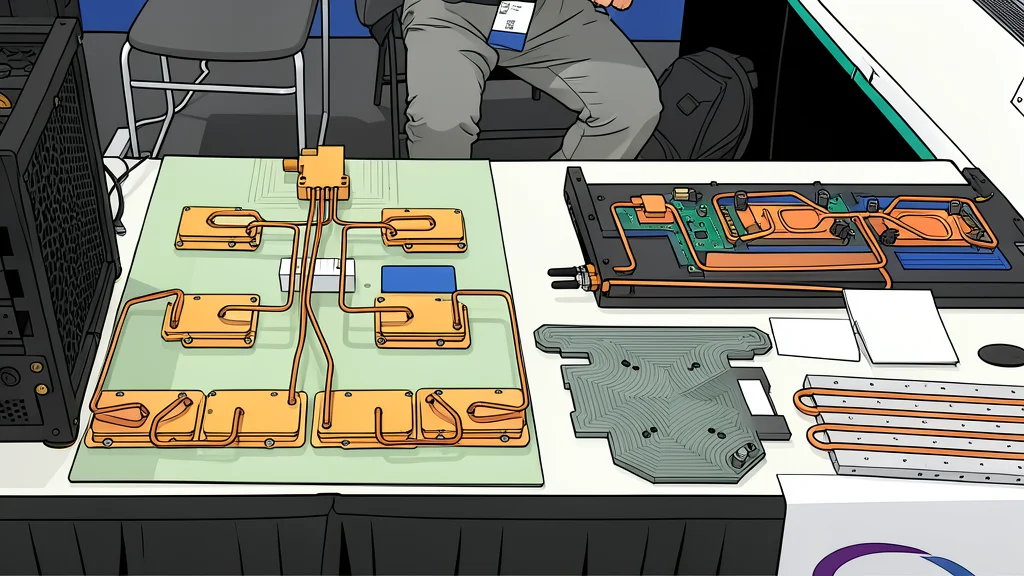
One notable trend involves the use of full copper heat pipes to connect cooling components, as seen in products from Malico. This method replaces flexible tubing with rigid, continuous copper structures. While this design can improve thermal transfer efficiency, it introduces a significant trade-off: serviceability. Replacing a single component in a rigid assembly is more difficult and costly than swapping out a section of standard tubing. Facility managers must now balance the performance gains against the increased complexity of maintenance.
Dynamic Sensors Stabilize Memory Operating Temperatures
Phononics presented a sensor-based thermoelectric cooling solution designed to lock the temperature of memory stacks. By using sensors to adjust cooling power within milliseconds, the system prevents the waste of energy on excessive cooling. However, thermoelectric coolers consume significant power, which can offset the savings from reduced cooling. This technology remains a niche option for industrial applications, and its adoption in large-scale data centers is still uncertain. More Than Moore highlighted that while the precision is impressive, the energy cost of the cooling mechanism itself remains a major hurdle for widespread deployment.