Macronix Chips Add Hardware Encryption for EU Security Rules
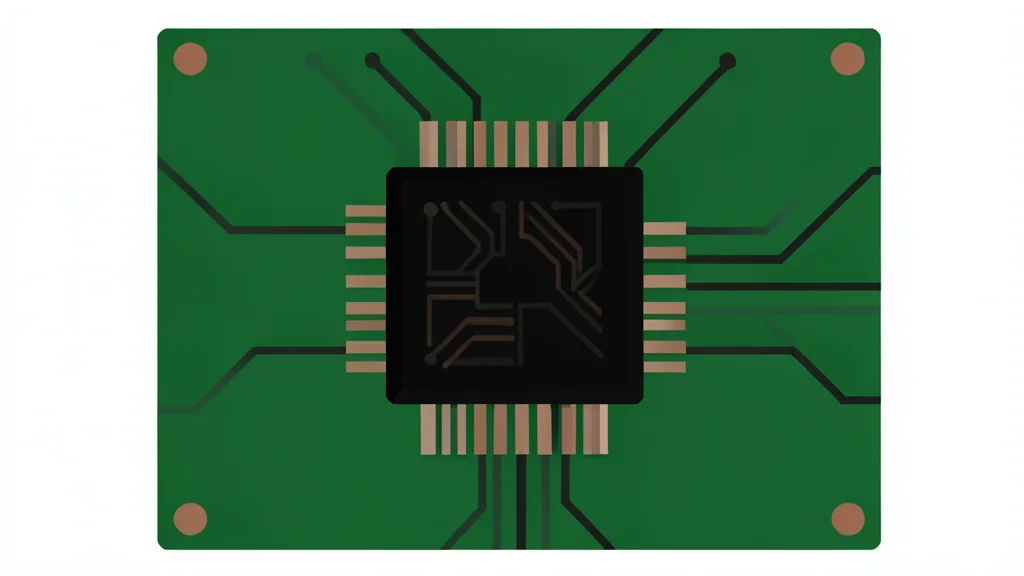
Macronix is deploying ArmorFlash and ArmorBoot chips to help manufacturers meet the EU's Cyber Resilience Act through built-in hardware encryption.
Key points
- Macronix's ArmorFlash and ArmorBoot chips provide hardware-based encryption and secure boot verification.
- These components help manufacturers meet the EU's Cyber Resilience Act requirements for lifecycle security.
- The chips are pin-compatible with standard NOR Flash, allowing for easier integration into existing designs.
Manufacturers in Europe and globally are facing tighter security requirements as the European Union's Cyber Resilience Act moves closer to full implementation. The regulation demands that digital products maintain cybersecurity measures throughout their entire lifecycle, from initial design to end-of-life disposal. This shift places a heavy burden on hardware suppliers to provide components that can verify their own identity and protect data without relying solely on software patches.
Macronix International, a major producer of non-volatile memory, is responding to this regulatory pressure with two specific products: ArmorFlash and ArmorBoot. According to reporting by digitimes.com, these chips are designed to offer hardware-level defenses against common digital threats. They aim to help system builders in sectors like automotive and industrial control comply with strict standards for supply chain transparency and secure-by-design principles.
Hardware encryption protects stored data
The ArmorFlash component integrates secure storage and encryption directly into the memory chip. Instead of relying on the main processor to encrypt data, which can be slower and more vulnerable, this chip uses a built-in hardware engine to scramble information as it is stored or transmitted. This approach significantly reduces the risk of data being intercepted or tampered with during transfer between system components.
A key feature of this defense is the prevention of rollback attacks, where attackers attempt to downgrade a device to an older, vulnerable version of its firmware. ArmorFlash uses a non-volatile counter that physically prevents the system from reverting to previous states. It also includes a true random number generator to create unique identities for each chip, making it difficult for counterfeiters to clone the hardware and bypass security checks.
Secure boot prevents malicious startup
While ArmorFlash protects data at rest, the ArmorBoot product focuses on the critical moment when a system powers on. Its primary job is to verify the authenticity of the firmware before the operating system loads. This ensures that no unauthorized or tampered code is executed during startup, a phase that is often a target for sophisticated malware.
Together, these two products create a layered security model. ArmorBoot establishes a trusted foundation for the system's boot process, while ArmorFlash safeguards the data and identity credentials used during operation. This combination allows manufacturers to demonstrate compliance with the Cyber Resilience Act's requirement for continuous vulnerability management and asset protection throughout the product's life.
Integration offers ease but adds cost
For engineers, the practical benefit of these chips is their compatibility with existing designs. ArmorFlash is pin-compatible with standard NOR Flash memory, meaning it can often be dropped into current circuit boards without requiring a complete redesign of the system architecture. This lowers the barrier to entry for companies looking to upgrade their security posture quickly.
However, adopting these specialized components comes with trade-offs. While they simplify compliance and reduce software complexity, they represent a premium option compared to standard memory chips. The added hardware overhead increases the bill of materials for the final product. Furthermore, the security benefits depend on the entire supply chain adhering to strict protocols; a single weak link in the manufacturing or distribution process could still compromise the integrity of the system.