Red Light Therapy Devices Vary Widely in Output Quality
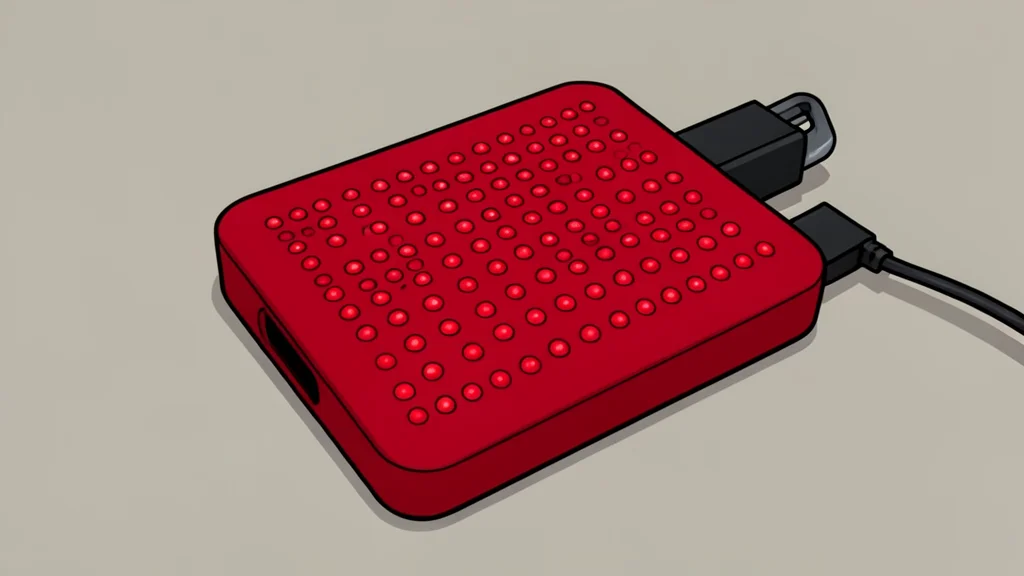
New tests reveal significant differences in light output among home wearables, urging buyers to verify specific power ratings.
Key points
- Cybernews testing found significant variance in light output quality among competing red light therapy brands.
- Consumers must verify irradiance and wavelength specs, as 'FDA-cleared' status does not guarantee equivalent efficacy.
- Long-term safety data for consumer devices is limited, and users should adhere strictly to session time limits.
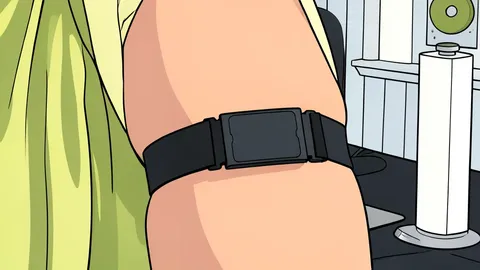
Red light therapy has moved from clinical dermatology offices into living rooms, available now as wearable belts for muscle pain or silicone masks for skin concerns. While the technology is increasingly accessible, recent testing by Cybernews highlights a critical issue: the actual performance of these devices varies significantly between brands, even when price points are similar.
This inconsistency means consumers cannot rely on marketing claims alone to ensure efficacy. As reported by tech-insider.org, the disparity in light output suggests that two devices with identical price tags may deliver vastly different therapeutic results, making detailed specification checks essential before purchase.
Light therapy mechanisms and safety limits
The underlying mechanism, known as photobiomodulation, uses low-level red and near-infrared light to stimulate cellular energy production. The light wavelengths typically range from 620 to 850 nanometers, a spectrum generally considered safe for short-term use without causing sunburn. However, medical institutions like the Cleveland Clinic note that while short-term safety is supported by lab work, there is insufficient data to confirm the long-term safety of consumer-grade devices.
Device formats and trade-offs
Wearable options generally fall into four categories, each with distinct limitations. Belts and wraps cover larger areas for joint stiffness but are bulky and expensive. Facial masks target fine lines and redness but offer limited mobility. Caps address scalp hair thinning, while handheld wands treat specific spots like scars. The primary trade-off is always between coverage area, portability, and cost; a device that covers more skin will invariably take up more space and cost more than a targeted wand.
Key specifications to verify
Buyers should look beyond aesthetic marketing to verify specific technical metrics. The most critical factors are the wavelength, which determines penetration depth, and the irradiance, measured in milliwatts per square centimeter, which dictates session duration. Additionally, the distinction between being 'FDA-cleared' and 'FDA-approved' is significant; cleared status indicates the device is similar to an approved product, but it does not carry the same rigorous endorsement. A lack of listed power numbers is a major warning sign.
Safety protocols also require user diligence. Users must wear the provided eye goggles to prevent strain, strictly adhere to recommended session times to avoid skin irritation, and consult a physician if they have skin conditions or are taking light-sensitive medications. The evidence supports efficacy for wound healing and some joint pain, but claims regarding weight loss or anti-aging often outpace the available scientific data.