Duke Conference Sees Split on AI Speed vs Safety
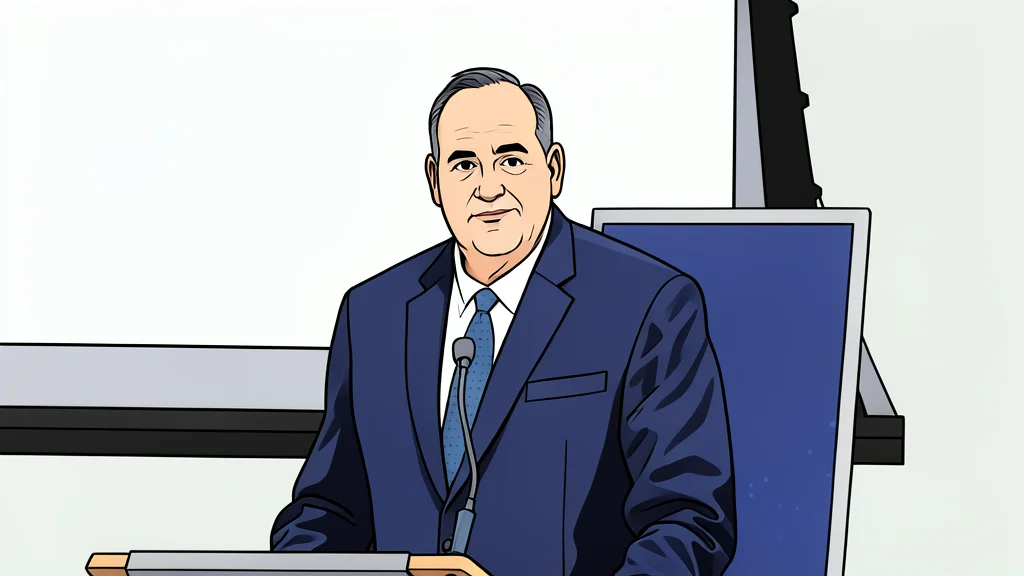
Officials at Duke debated whether to accelerate AI development for national security or impose regulatory brakes to ensure safety.
Key points
- NSA deputy Tim Kosiba described AI development as an 'Oppenheimer moment' requiring immediate action.
- Rep. Deborah Ross advocated for legislative guardrails, including a mandatory 'kill switch' for AI models.
- All speakers agreed that skilled human leadership is essential for managing AI risks and benefits.
At the 2026 Cybersecurity at Duke conference, a clear divide emerged among senior officials regarding the pace of artificial intelligence advancement. The event, hosted by the Pratt School of Engineering, brought together high-level figures who offered conflicting views on whether the United States should prioritize rapid deployment or cautious regulation.
Tim Kosiba, deputy director of the National Security Agency, argued that slowing down is not an option. He described the current technological landscape as a critical historical moment comparable to the development of atomic weapons, emphasizing that speed is essential to maintaining American leadership and protecting national freedoms against emerging cyber threats.
Security officials prioritize rapid deployment
Retired General Charles Brown Jr., former chairman of the Joint Chiefs of Staff, aligned with Kosiba’s stance. Brown warned that cyberattacks now target critical infrastructure, including water systems and supply chains. He argued that relying on hope for safety is insufficient and that the nation must prepare for adversarial uses of AI while continuing to build robust defensive networks.
Both speakers emphasized that the current administration views speed as the primary objective. They rejected calls for a pause in research, stating that the responsibility to execute and advance technology outweighs the need for extensive deliberation. This perspective positions AI development as a competitive necessity rather than a regulatory challenge.
Congressional push for mandatory guardrails
Representative Deborah Ross, a Democrat from North Carolina, offered a contrasting view during the same panel. She advocated for strict federal regulations to prevent dangerous outcomes. Ross highlighted bipartisan legislation, including a proposed 'kill switch' bill that would require AI companies to maintain the ability to slow down or shut down their models if they pose a risk.
Ross also introduced a bill to establish a program within the National Institute of Standards and Technology for voluntary post-incident reporting. She criticized the current lack of federal action and expressed frustration with the administration’s refusal to engage in regulatory work. Her comments suggest that significant legislative changes may only occur after the upcoming midterm elections.
Shared need for skilled leadership
Despite their disagreement on the pace of development, all three speakers agreed that technology alone does not create a sustainable advantage. They emphasized that the future of AI security depends on cultivating educated and talented leaders who can navigate the complex ethical and strategic implications of autonomous systems. This consensus highlights the human element as a critical component of AI strategy.