Teacher Revives Lost Backyard Baseball Game
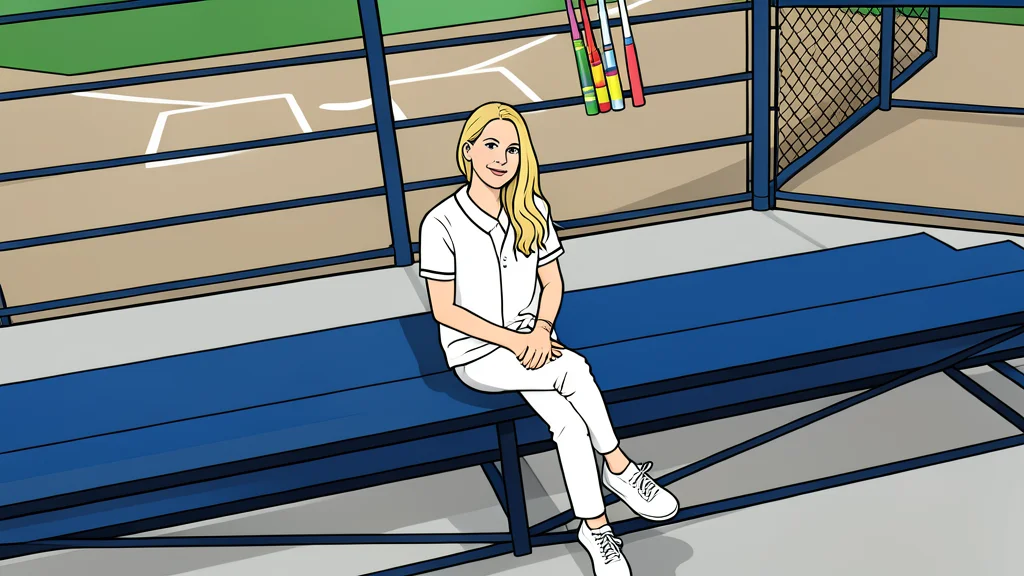
Lindsay Barnett is rebuilding the late-1990s hit from scratch after original code was lost and rights fragmented.
Key points
- Lindsay Barnett is rebuilding Backyard Baseball after the original source code was lost and rights fragmented.
- The 1997 game featured an inclusive cast with half girls and half people of color, a key part of its appeal.
- The revival is a community-driven effort facing the challenge of recreating the game without original files.
Lindsay Barnett, a 33-year-old public-school teacher from Highland Park, Illinois, is leading an effort to revive Backyard Baseball, a video game that vanished from the market after its developer closed. The late-1990s title, which taught a generation the rules of baseball through a cast of diverse cartoon characters, is being rebuilt from the ground up because the original source code was lost.
The revival is not a simple re-release. As reported by The Star, the studio behind the game, Humongous Entertainment, folded, and the intellectual property rights became scattered across multiple corporate owners. Barnett’s project requires recreating the game’s mechanics and characters without access to the original files, a process that turns a nostalgic memory into a complex technical challenge.
Original code is lost
Backyard Baseball launched in 1997 with a simple premise: round up neighborhood kids for a pickup game. It became a bestseller, spawning sequels and versions for other sports. However, the game’s infrastructure crumbled as its parent company was acquired and rebranded multiple times. The digital assets that defined the game’s unique style and gameplay are no longer centrally accessible.
This loss creates a significant trade-off for the revival. Developers cannot simply update the old code; they must reverse-engineer the game’s feel and logic. This means the new version may differ in subtle ways from the original, potentially alienating players who remember specific nuances of the 1997 release. The goal is to capture the spirit of the game, not just its code.
Design focused on inclusivity
The game’s original design was intentionally inclusive, a feature Barnett cites as a primary reason for its enduring appeal. Half of the thirty playable characters were girls, and half were people of color. The roster included a pitcher who played from a wheelchair and a short, Spanish-speaking slugger who was a hidden star. These choices reflected a commitment to representing a diverse range of players in a sandbox environment.
Barnett, who played the game at age five, recalls feeling represented by the female characters. This personal connection drives her current work. The challenge now is to ensure that this inclusive design remains central to the reboot. Maintaining the original character dynamics while updating the graphics and mechanics is a delicate balancing act that requires careful attention to the game’s cultural significance.
Community drives the revival
The project is fueled by a local community that remembers the game fondly. Residents of Highland Park, a suburb known for its 1980s film backdrops, have expressed strong support for Barnett’s efforts. This grassroots backing provides motivation and a built-in audience, but it also raises expectations. Players want a faithful recreation, not just a generic sports game with a new coat of paint.
The catch in this community-driven revival is the sheer scale of the task. Rebuilding a complex point-and-click game without the original assets is a massive undertaking for a small team. Barnett must navigate the legal complexities of fragmented rights while ensuring the final product honors the original’s spirit. The outcome will determine whether Backyard Baseball remains a lost relic or returns as a modern classic.