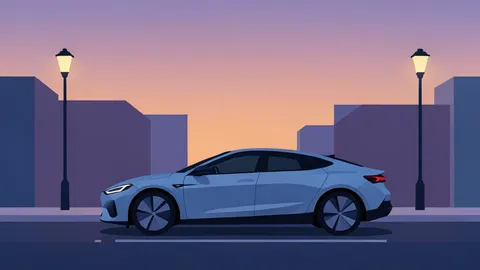
Nissan R36 GT-R Stays Hybrid After Electric Prototype Fails
Nissan confirmed the next GT-R will use a hybrid system because electric prototypes ran out of charge after one lap at the Nürburgring.
Key points
- Nissan confirmed the R36 GT-R will use a hybrid powertrain instead of being fully electric.
- Electric prototypes failed to complete multiple laps at the Nürburgring due to rapid battery depletion.
- The hybrid model is expected to produce up to 1,000 horsepower in the Nismo variant.
Nissan has confirmed that the next-generation GT-R, known as the R36, will not be fully electric. Instead, the model will feature a hybrid powertrain. This decision follows internal testing where fully electric prototypes failed to maintain performance over extended track sessions.
The move is driven by practical limitations in battery endurance rather than a lack of technology. According to HotCars, Nissan executives stated that the electric prototypes could complete a single lap at the Nürburgring but required immediate recharging. This inability to sustain high-intensity driving led the company to retain an internal combustion engine as part of the drivetrain.
Electric prototypes hit range limits
Ponz Pandikuthira, Senior Vice President at Nissan North America, explained that the electric versions struggled with the demands of traditional track use. While electric cars offer instant torque, they currently lack the range to run flat-out for more than short bursts. The need for extensive recharge times makes them unsuitable for the continuous, high-stress driving associated with the GT-R brand.
This limitation is a known challenge for high-performance electric vehicles. They are often impressive in straight-line acceleration but face significant hurdles when battery depletion becomes a factor during sustained speed. Nissan concluded that a pure electric approach would compromise the core experience that enthusiasts expect from a supercar.
Hybrid system targets high output
The R36 will combine a combustion engine with electric assistance to meet global emissions regulations. Estimates suggest the standard model will produce between 800 and 900 horsepower. A higher-performance Nismo version could reach 1,000 horsepower, placing it in the same power class as top-tier competitors like the Ferrari SF90 Stradale.
Nissan’s Global Head of Product Strategy, Richard Candler, noted that electrification is necessary to comply with environmental laws. However, the company aims to preserve the mechanical character of previous GT-R models. The hybrid setup is intended to satisfy regulatory requirements without sacrificing the driving dynamics that define the vehicle.
Weight concerns remain for fans
Enthusiasts are concerned that adding hybrid components could result in a significant weight penalty. A similar issue affected the recent BMW M5, which became over 1,000 pounds heavier than its predecessor. Despite having more power, the heavier car was slower in several performance metrics, demonstrating the risk of bloated hybrid designs.
Nissan faces the challenge of integrating electric technology without diminishing the agility of the GT-R. The goal is to avoid the mistakes seen in other luxury performance cars where weight gains negated the benefits of increased torque. The success of the R36 will depend on how effectively the company balances power, weight, and driver engagement.