Flock Safety Tightens Rules After Surveillance Abuse Reports
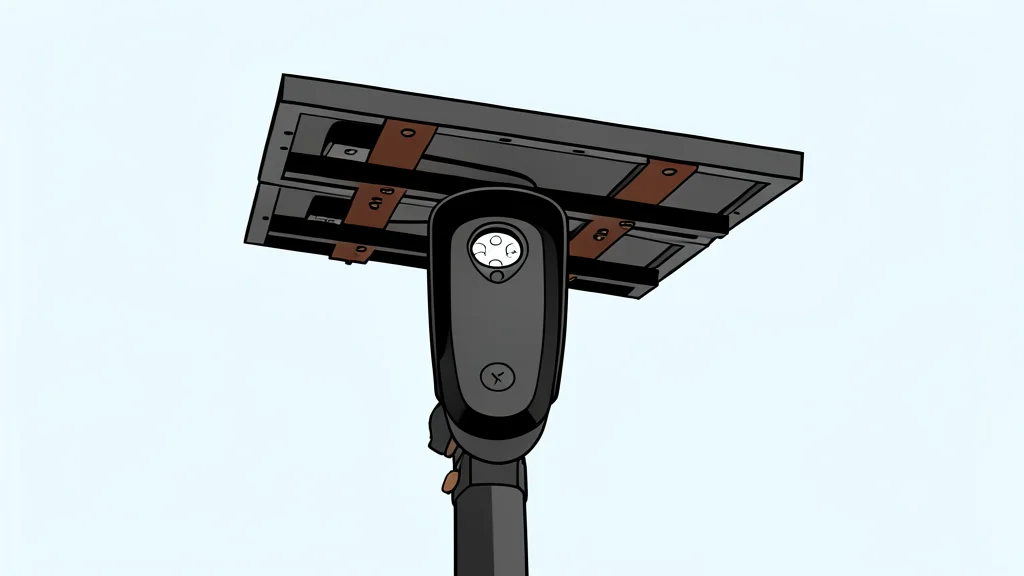
Flock Safety is implementing stricter controls on its license plate reader data following widespread reports of officer misconduct. The changes aim to limit access and reduce data storage, though critics argue the company still relies too heavily on self-regulation.
Flock Safety, a major provider of automated license plate reader technology, announced new security protocols on Thursday. The move follows a wave of reports detailing how law enforcement officers misused the system to track private individuals. The company claims these updates represent a significant step toward better privacy standards in public safety tech.
The new rules require police to attach a valid criminal case number to every search request. Additionally, the system will now automatically flag unusual search patterns. If an account triggers these alerts, it faces an immediate lockout pending review. This is a direct response to investigations showing officers using the tools for personal stalking.
Reduced data retention limits
A key change involves how long data is kept. Flock Safety will lower the default retention period from thirty days to just seven. This means captured license plate data will disappear much faster unless a specific legal hold is applied. The company states this reduces the volume of sensitive information stored in their systems.
Cities can also now restrict what types of offenses other agencies can search for. For instance, a city could allow another department to look for stolen vehicles but block searches related to immigration enforcement. This granular control aims to prevent broad, unauthorized data sharing between jurisdictions.
Critics question self-policing model
Civil rights groups remain skeptical of these measures. Tom Bowman, a policy counsel for the Center for Democracy & Technology, argued that the changes do not address the core issue. He noted that Flock Safety is still asking police departments to monitor their own behavior. According to Bowman, this approach has failed to prevent abuse in many areas across the United States.
Bowman emphasized that the true fix requires legal mandates, such as warrants, for accessing this type of data. He suggested that voluntary corporate guardrails are insufficient to stop pervasive tracking and flawed AI flags. The debate highlights a growing tension between private tech solutions and public oversight.
Mandatory audit tools enforced
The company is making its Audit Assistance tool mandatory for all customers by the end of the year. Previously, only about one-third of clients had adopted this feature. The tool detects abnormal activity and flags it for human review. Flock Safety claims this system has already contributed to the arrest of several officers who abused the network.
These developments come as Flock Safety faces intense scrutiny from media and advocacy groups. The company’s cameras are now a symbol of the broader concerns around mass surveillance. As the tech becomes more integrated into daily life, the pressure for transparent and accountable usage continues to rise. Source: GN technics/security (en-US).