Global Data Center Power Gap Reaches 268GW by 2030
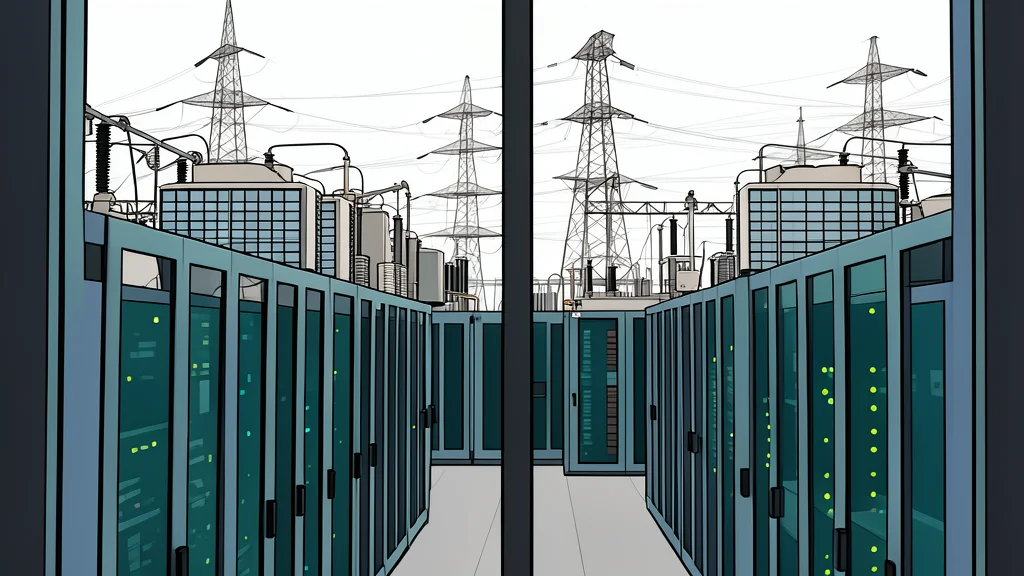
The rapid expansion of AI infrastructure is straining global power grids, with a projected supply shortfall of 268 gigawatts emerging by the end of the decade.
The accelerated buildout of artificial intelligence infrastructure is placing unprecedented stress on global electrical systems. According to a recent industry study by TrendForce, the power capacity required by data centers will reach 161 gigawatts in 2026, representing a 31% year-over-year increase. This surge is driven largely by AI servers, which now account for over 30% of total data center energy consumption. While demand continues to climb, the ability of power grids to keep pace is reaching its limits, leading to a significant projected shortfall in the coming years.
The core issue is a widening divergence between energy demand and grid supply. While data center efficiency has improved, the sheer volume of new IT equipment, particularly high-power AI processors, is outpacing infrastructure growth. By 2030, global demand is projected to hit 490.7 gigawatts, but available grid capacity is expected to cover only 222.6 gigawatts. This leaves a gap of 268 gigawatts, a figure that combines both methodological estimates and genuine physical shortages caused by delays in transmission and distribution construction.
AI Servers Drive Energy Consumption
A generational shift in computing architecture is reshaping data center energy profiles. AI servers have become the primary engine of growth, with their share of total power demand rising from 25% in 2025 to an expected 33.4% in 2026. This trend is projected to continue, with AI hardware potentially consuming more than 40% of power by 2027. Conversely, the share attributed to general-purpose servers is declining from historical levels of 40% to roughly 25.6% over the same period. This transition reflects a broader move toward specialized, high-compute hardware that requires significantly more energy per unit of processing.
To manage this load, operators are increasingly adopting high-voltage direct current power distribution systems. These systems aim to optimize the efficiency of the power delivery chain, reducing losses as energy moves from the grid to the servers. However, this technical upgrade does not solve the fundamental problem of insufficient total supply. The rapid deployment of both IT equipment and auxiliary cooling systems means that even with improved efficiency, the absolute amount of electricity required continues to grow at a pace that existing grid infrastructure cannot easily match.
Grid Delays Create Physical Shortages
The projected 268 gigawatt gap by 2030 is not purely a statistical artifact. While some of the discrepancy arises from how demand is calculated, including behind-the-meter self-generation, a substantial portion represents a real physical deficit. Grid interconnection delays and the slow construction of transmission and distribution infrastructure are key drivers. Before 2025, grid capacity could generally accommodate new data center projects. However, from 2026 onward, supply and demand begin to diverge, with the gap widening significantly after 2028 as construction timelines fail to align with the aggressive expansion of cloud service providers.
The United States, home to the largest data center footprint, faces a particularly acute version of this problem. While operators have successfully managed power through self-generation and existing facilities in recent years, grid delivery delays are becoming the primary bottleneck. TrendForce estimates that the gap between U.S. data center power supply and demand will exceed 170 gigawatts by 2030. This shortfall highlights a critical tension between technology companies seeking to expand capacity and utility companies struggling to build the necessary infrastructure within required timeframes.
Future Infrastructure Constraints Loom
The ability to narrow this growing gap remains uncertain. It will depend on whether operators can expand their own self-generation capabilities, such as on-site renewable energy installations, or if grid supply conditions improve through accelerated infrastructure investment. This dynamic sets the stage for an ongoing negotiation between cloud service providers and utility companies. As AI workloads become more prevalent, the reliability and availability of power will become a defining constraint on technological growth, rather than just a logistical detail.
For the industry, this means that capital expenditure on hardware must be balanced with equally significant investment in energy infrastructure. The trend identified in the GN auto tech/cloud: data center expansion report suggests that future growth is no longer just about computing power, but about the sheer physical capacity to deliver electricity. Without a resolution to these supply-side bottlenecks, the pace of AI deployment may be limited not by algorithmic breakthroughs, but by the limits of the power grid.