CoreWeave Launches High-End AI Cloud Infrastructure

CoreWeave has activated a massive cluster of next-generation chips, aiming to secure its position in the competitive AI cloud market despite significant financial risks.
CoreWeave shares climbed roughly three percent on Wednesday after the company successfully brought online a large-scale system of Nvidia's newest hardware. The company connected hundreds of high-performance chips into a single, unified computing cluster, a technical milestone that positions it among the earliest providers to offer this specific technology to customers.
This move is critical for CoreWeave because its business model relies entirely on leasing specialized computing power for artificial intelligence tasks. By being first to operationalize Nvidia's latest architecture, the company attempts to differentiate itself in a rapidly crowded market. However, the financial stakes are high, as the cost of building and maintaining such infrastructure is substantial.
Specialized Hardware Drives the Offer
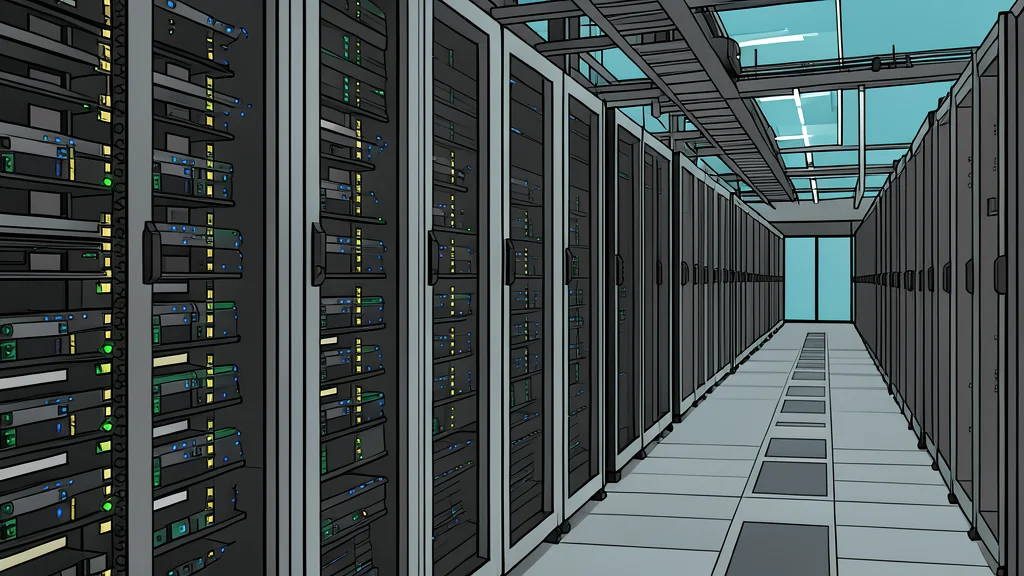
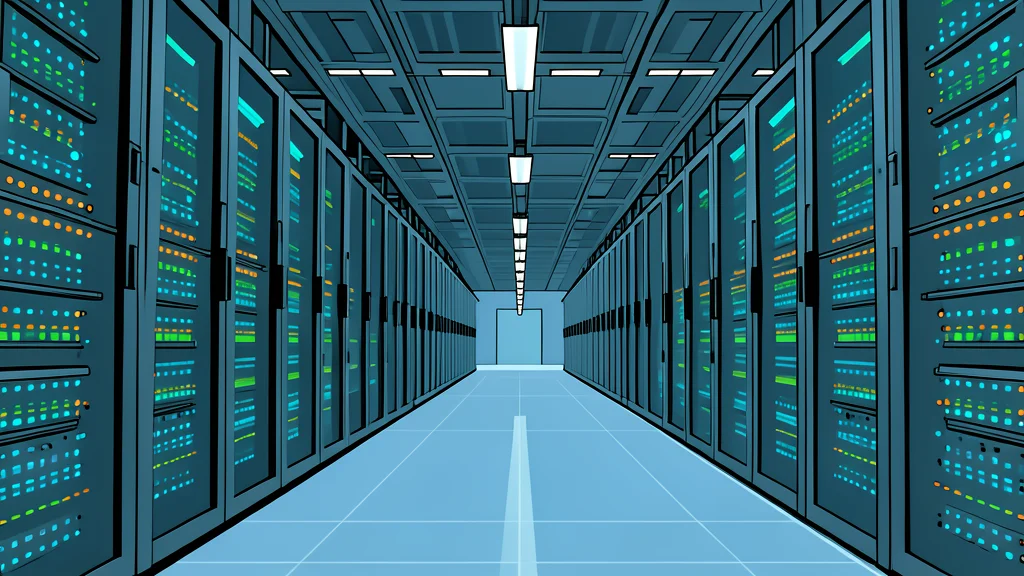
The core of this update is the integration of Nvidia's Vera Rubin NVL72 system. A single unit of this hardware contains seventy-two graphics processing units and thirty-six central processing units. CoreWeave has linked multiple of these units together using advanced networking technology, allowing customers to access a much larger pool of computing power as if it were one single machine.
For businesses building complex AI agents, this configuration promises faster development cycles and higher efficiency. The company claims that this scale allows models to learn and improve more quickly. Additionally, CoreWeave updated its data storage systems to reduce delays in transferring large amounts of information, which is essential for keeping these powerful processors busy.
Competition Intensifies in AI Clouds
CoreWeave is not the only player in this space, but it is banking on its speed of deployment. The company highlighted that it was the first to validate and bring this specific rack-scale architecture into service. This early access is intended to serve as a key selling point against rivals who may offer similar capabilities later or with less stability.
Profitability Remains the Key Question
While the technical launch is a success, investors remain cautious about the underlying economics. The primary risk is that CoreWeave may build capacity faster than customer demand can absorb it. If the number of available computing slots grows faster than the number of users renting them, the company could be left with expensive, underutilized assets that drain cash reserves.
According to reporting from GN auto tech/cloud, the market is watching closely to see if early access translates into sustainable revenue. The success of this strategy depends on whether customers are willing to sign long-term contracts for this premium hardware. If adoption slows, the heavy spending on infrastructure could become a significant financial burden rather than a growth driver.