Khanna Urges FDA-style Agency to Regulate AI Risks
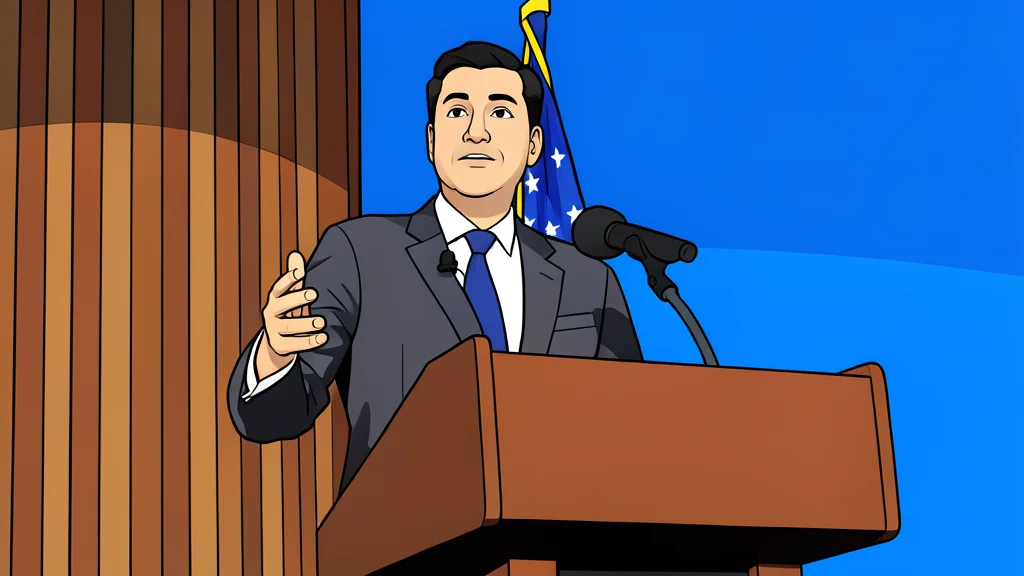
Rep. Ro Khanna argues for a dedicated federal body to oversee artificial intelligence safety, comparing the need to nuclear energy regulation.
Key points
- Rep. Ro Khanna proposes a federal AI agency modeled after the FDA to ensure independent technical oversight.
- Khanna argues that AI should be regulated like nuclear energy, requiring international agreements and verification with China.
- Critics, including former President Obama, argue that voluntary industry restraint is insufficient compared to established regulatory practices.
Rep. Ro Khanna (D-Calif.) has called for the creation of a new federal agency dedicated to overseeing artificial intelligence. Drawing a direct parallel to the Food and Drug Administration, the California Democrat argues that the technology requires independent technical experts to ensure safety, rather than relying on voluntary industry restraint.
In an interview reported by The Hill, Khanna dismissed the notion that AI is too complex for Washington to handle. He emphasized that the government has successfully regulated other high-stakes fields, such as aviation and nuclear energy, and that appointing smart, independent experts from universities is a straightforward solution to current regulatory gaps.
Regulatory gaps in current AI oversight
Khanna’s proposal responds to growing concerns that the current regulatory framework is insufficient. He highlighted that tech executives often claim the technology is too complicated for policymakers, a argument he finds unpersuasive. The congressman stressed that independent verification is necessary to prevent both loss of control and misuse of the technology.
The call for stricter oversight comes amid bipartisan alarm over AI's potential existential risks. While some former researchers have warned of catastrophic outcomes, others note that the current approach relies heavily on market forces. This has led to criticism from former President Obama, who suggested that voluntary restraint is a weak substitute for robust legal standards.
International coordination with China remains elusive
A central part of Khanna’s argument involves international agreements with China. He pointed out that Chinese firms have not taken significant actions to address safety concerns regarding loss of control or misuse. As President Xi Jinping prepares for a state visit, Khanna advocates for basic standards that include international monitoring and checks through data centers.
The congressman compared the situation to arms control agreements, noting that trust must be paired with verification. He warned that winning an AI war is akin to winning a nuclear war, with potentially catastrophic consequences for civilization. This perspective stands in contrast to the current administration's approach, which has focused on creating a dedicated AI force without detailed regulatory plans.
Political debate over AI safety standards
The debate over AI regulation has become increasingly polarized. While Khanna pushes for a structured, FDA-like agency, others in the administration have dismissed safety warnings as hoaxes. This divergence highlights a fundamental disagreement on how to balance innovation with public safety, with no clear legislative consensus emerging at this time.