Hobbyist Builds Real-World NFS Underground 2 Minimap on a $20 Chip
Andy Valentine created a working GPS navigation system for his Nissan 350Z using an ESP32 microcontroller and 236GB of pre-rendered map data.
Key points
- Andy Valentine built a working GPS minimap for a Nissan 350Z using an ESP32-P4 microcontroller and a 3.4-inch display.
- The system uses 236GB of pre-rendered map data covering over half of the UK road network to bypass the chip's limited processing power.
- To ensure smooth performance, the map is locked north-up with a rotating car icon, rather than rotating the entire map grid in real time.
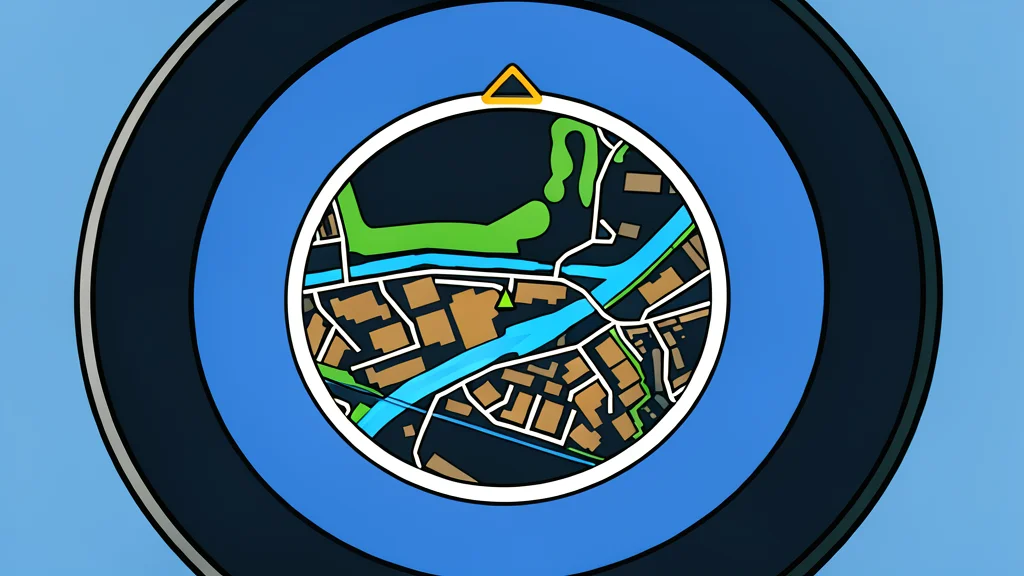
Video game nostalgia usually remains confined to the screen, but one maker has managed to bring a specific piece of it into the physical world. Andy Valentine, who builds automotive technology under the Garage Tinkering channel, spent about a month turning the iconic minimap from Need for Speed Underground 2 into a functional GPS display for his Nissan 350Z. The system runs on an ESP32-P4 microcontroller, a component that costs roughly the same as a tank of gas, yet it performs real-time satellite navigation styled like a 2004 street racer.
This achievement is notable because standard microcontrollers are not designed to handle the graphics processing required for live maps. Valentine’s project pushes the hardware past its comfort zone, rendering a digital dashboard that matches the neon aesthetic of the original game. The result is a working navigation system on hardware that was never intended to support such complex visual tasks.
Massive data pre-processing required
The core challenge of the project was that the chip lacks the processing power to render a live map in the way a smartphone or modern car infotainment system does. To work around this, Valentine pre-rendered the entire map in advance. He used QGIS, a geospatial tool, to build coverage for more than half of the United Kingdom’s road network at a specific zoom level. This involved pulling road data from Ordnance Survey and points of interest from the UK Department for Transport.
Fuel stations presented a unique data problem, as no single UK dataset tracked them comprehensively. Valentine solved this by writing a Python script to mine OpenStreetMap data for locations tagged as fuel amenities. The entire process resulted in a massive dataset of roughly 2.5 million individual tiles. Processing this data took approximately 75 hours in total, including rendering, formatting, and copying the 236GB library onto an SD card.
Dynamic loading solves memory limits
Storing the map was only half the battle; the chip could not hold all tiles in memory simultaneously. Valentine designed the system to load new tiles dynamically based on the car’s direction of travel. Each tile takes about a tenth of a second to pull from the SD card, a speed that is manageable for the hardware but impossible if the system tried to load everything at once.
Early prototypes attempted to rotate the entire map to match the car’s heading, mimicking the game exactly. However, this caused significant stuttering because rotating a large grid of tiles in real time exceeded the chip’s capabilities. The final solution locked the map to north-up orientation and used a rotating car icon to indicate heading. This adjustment, driven by a NEO-6M GPS module, restored the smoothness needed for a usable interface.
Real-world testing confirms functionality
The system has been tested in real-world driving conditions with successful results. On first boot, the device correctly identified Valentine’s location in a parking lot. It also accurately tracked the vehicle through complex road features like roundabouts. The project demonstrates that with significant pre-processing and optimized code, even modest hardware can deliver a functional, stylized navigation experience.
While the visual style is a nod to 2004 gaming culture, the underlying technology is a serious exercise in embedded systems engineering. Valentine’s approach highlights the trade-off between real-time processing and pre-computed data. By shifting the heavy lifting to the preparation phase, he made it possible for a low-cost chip to handle a task that would otherwise require significantly more powerful hardware. As reported by Yahoo Autos, this project stands as a unique intersection of automotive customization and computer science.