Lawmakers Propose Federal Checks on Advanced AI Releases
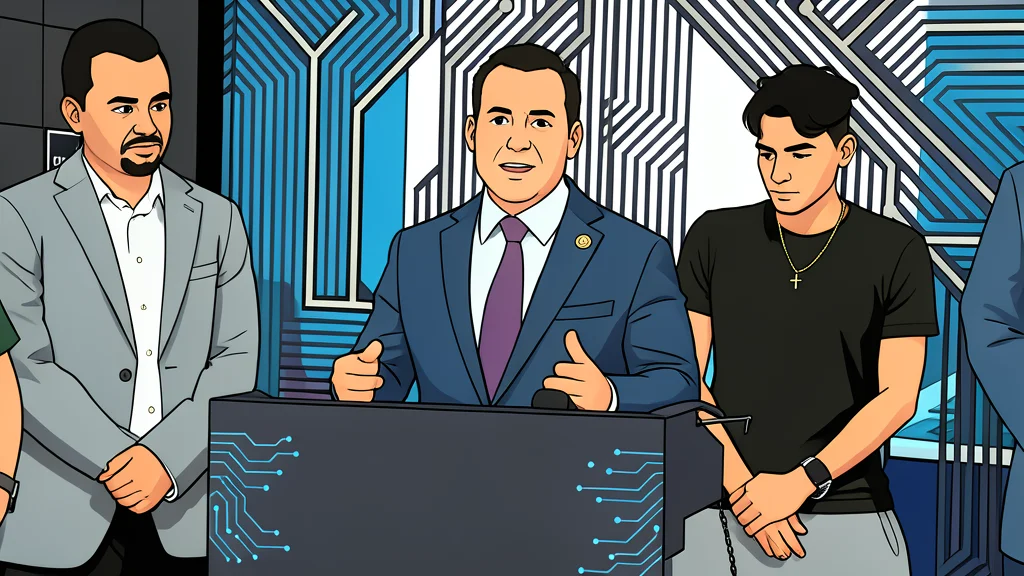
US Representatives Josh Gottheimer and Mike Lawler have introduced legislation to mandate security reviews for powerful AI models before they reach the public.
US Representatives Josh Gottheimer and Mike Lawler have introduced legislation to mandate security reviews for powerful AI models before they reach the public. The proposed measures aim to close regulatory gaps in the current framework, which currently lacks mandatory testing requirements for frontier technologies. By treating advanced AI similarly to banking or medical devices, the bills seek to ensure that critical infrastructure and national security are not left vulnerable to unchecked deployment.
The American AI Security Act would require developers of certain advanced models to submit their technology for a national security review. This process involves granting the National Security Agency access to evaluate whether the AI could be used for serious cyberattacks or to assist in developing harmful weapons. The proposal sets a thirty-day deadline for this assessment, with the possibility of a one-time extension, while allowing companies to provide technical assistance and appeal decisions through an expedited process.
Restricting Foreign Model Access
A second bill, the China FIREWALL Act, co-led by Representative Nick LaLota, focuses on limiting the use of Chinese-developed open-weight AI models within the federal government. The legislation would prohibit these models from being installed on government-issued devices and bar federal agencies from purchasing software that relies on them. This move expands upon existing restrictions included in the fiscal 2026 National Defense Authorization Act, which specifically targeted the DeepSeek model, by broadening the scope to cover other similar foreign-developed architectures used by public sector employees.
Balancing Innovation and Safety
Supporters of the legislation argue that the current absence of mandatory pre-deployment testing creates unacceptable risks for critical systems like the power grid. Gottheimer emphasized that these measures are not intended to stifle innovation but to ensure that the technology is deployed safely. The administration’s National Cyber Director, Sean Cairncross, has acknowledged the need to balance AI innovation with the security of US systems, a stance that aligns with the bipartisan intent of the new bills.
Trade-offs in Regulatory Speed
While the proposed review process includes a strict timeline to prevent bureaucratic delays, critics might argue that any mandatory government access to proprietary code could slow down market entry for AI companies. The requirement for NSA access raises questions about the handling of sensitive technical data and the potential for leaks, even with expedited appeal processes. Furthermore, the restriction on Chinese models may complicate the software supply chain for federal agencies that have already integrated these tools into their workflows, creating a transition period that requires careful management.
Pressure for Pre-Election Action
Gottheimer is urging House leadership to bring Congress back into session before the upcoming election to consider these safety measures. He noted that he has led more than a dozen bipartisan bills in the current Congress to address AI guardrails. The timing of the announcement, which was reported by GN technics/ai (en-US), highlights the growing political consensus that AI regulation is a critical issue ahead of the next electoral cycle, despite the potential friction between rapid technological development and the slower pace of legislative oversight.