Mason Michigan Data Center Proposal Sparks Local Conflict
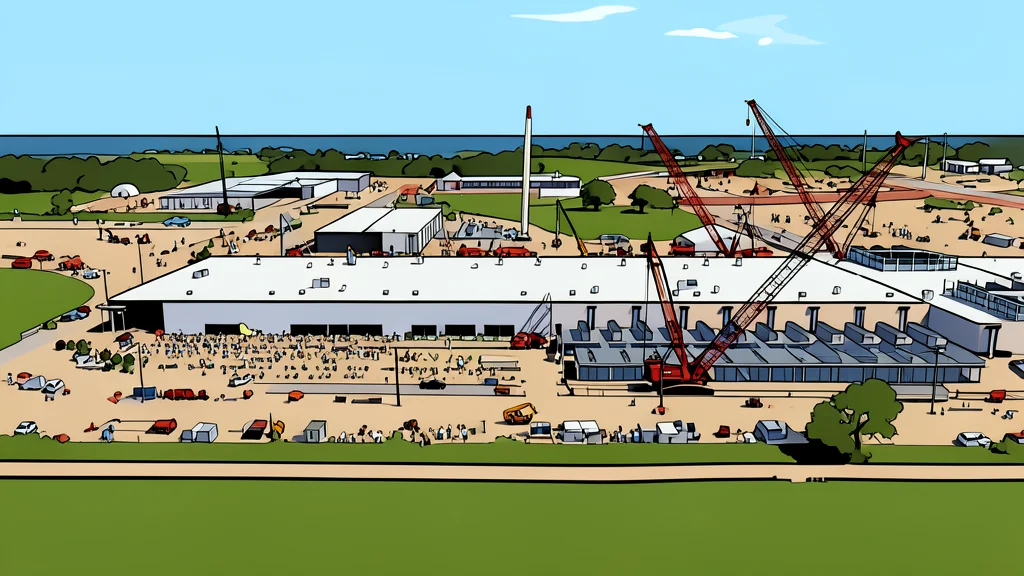
A proposed data center in Mason, Michigan, has turned a quiet suburban town into a focal point for national debates on artificial intelligence infrastructure and local governance.
Residents of Mason, Michigan, are currently facing a contentious proposal to build a large-scale data center on the edge of their community. This development has ignited a fierce local dispute that extends beyond simple zoning concerns, touching on issues of energy consumption, water usage, and the broader implications of housing artificial intelligence infrastructure in residential areas. The conflict has become a microcosm of a growing national tension between technological expansion and local community rights.
As the midterm elections approach, this local fight is increasingly being framed within the larger political battle over artificial intelligence. Candidates from various parties are beginning to reference the Mason situation, signaling that the placement of data centers is no longer just a technical or economic issue but a central topic in political discourse. The stakes for residents include potential changes to their quality of life, while the stakes for the industry involve the availability of space for critical computing power.
Local Opposition Gains Political Momentum
The opposition in Mason is driven by concerns over the physical impact of such a facility. Data centers require immense amounts of electricity and cooling water, resources that are finite in many suburban areas. Critics argue that the environmental burden should not fall on neighborhoods that do not directly benefit from the computational services. This sentiment is resonating with voters who feel that major infrastructure decisions are being made without adequate local consent or transparency.
National Debate Reaches the Campaign Trail
According to reporting by GN technics/ai (en-US), the conflict in Mason is part of a wider pattern where data center proposals are becoming flashpoints in political campaigns. Politicians are increasingly using the issue to differentiate themselves, with some advocating for stricter regulations on where these facilities can be built and others emphasizing the economic benefits of tech growth. This shift indicates that artificial intelligence infrastructure is now a vote-getter issue, not just a corporate strategy.
The trade-off in this debate is clear: the nation needs more computing power to drive AI innovation, but local communities are bearing the immediate costs in terms of resource strain and environmental impact. There is no simple solution that satisfies both the need for technological advancement and the desire for local control over land use. As the elections near, the outcome in Mason may set a precedent for how similar disputes are handled elsewhere in the country.