Polyarc Closes After 12 Years, Ending VR Storytelling Era
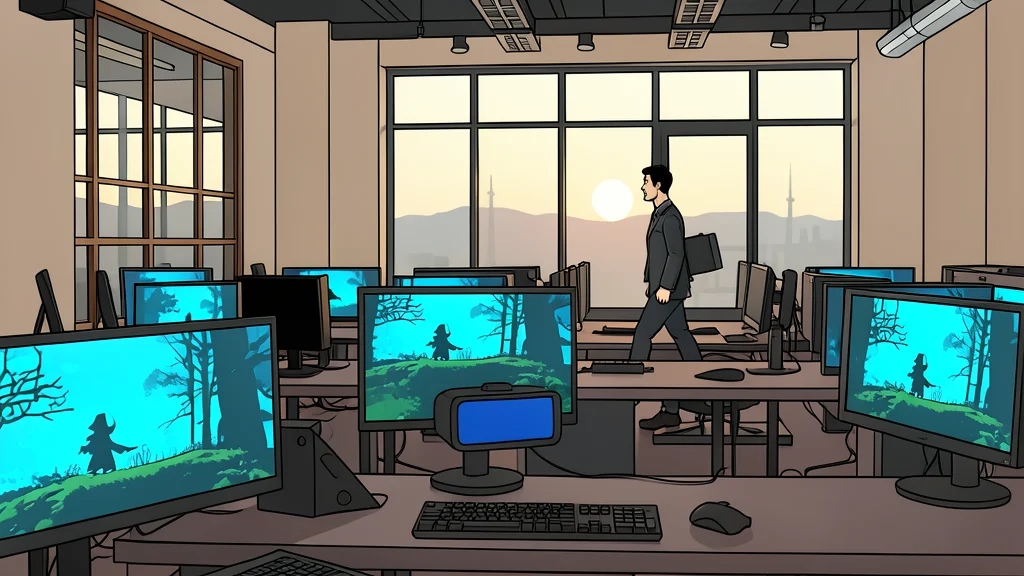
The Seattle studio behind the acclaimed VR series Moss has shut down, leaving 29 employees without work and signaling a difficult reality for narrative-focused virtual reality developers.
Polyarc, the Seattle-based studio known for creating the immersive virtual reality platformer Moss, has officially ceased all operations. The announcement, made on September 11, 2026, confirms that the company is closing its doors after nearly 12 years of development. This decision resulted in the immediate loss of 29 jobs, marking the end of a studio that spent over a decade attempting to prove that VR could support high-quality, story-driven experiences.
The closure comes at a particularly sensitive time for the industry. It follows a broader trend of consolidation and layoffs across the games sector, including recent cuts at major hardware manufacturers. For players and critics, the shutdown of Polyarc represents the loss of one of the few studios that consistently delivered award-winning content in a niche market. The move underscores the financial fragility of VR titles that rely on premium hardware rather than mass-market accessibility.
A Direct Farewell Without Corporate Spin
Unlike many corporate announcements that hide behind vague language about restructuring, Polyarc chose a direct approach. The studio posted its farewell message directly to LinkedIn, a format that has become common for smaller developers ending their lives. The message acknowledged the end of their shared era, describing the final months as a winding down of active development rather than a strategic pivot.
The statement focused on gratitude rather than excuses. It thanked players for their support and treated the shutdown as the natural conclusion of a body of work. By avoiding corporate euphemisms, the team provided a clearer picture of their situation: they are saying goodbye to one another, signaling that no further projects are in the pipeline.
Warning Signs Ignored in Spring
The final shutdown was not entirely unexpected to those watching the studio closely. In March 2026, Polyarc underwent a significant contraction, cutting roughly 30 staff members after failing to secure funding for a new, unannounced project. That earlier round of layoffs was a clear indicator of financial strain, yet the studio continued to operate for another six months.
Ironically, the studio pushed a free cooperative update to its existing games just eight days before the final announcement. This move suggests that the team was still actively supporting its community until the very end. However, this final burst of activity could not overcome the underlying financial challenges that ultimately led to the company’s dissolution.
Impact on the VR Narrative Sector
The closure of Polyarc carries significant weight for the virtual reality industry. Moss was widely regarded as one of the best titles available on headsets, praised for its animation and narrative depth. With its departure, the market loses a key proponent of the idea that VR can support prestige storytelling, not just action or simulation. This may discourage other developers from investing in similar high-budget narrative projects.
According to reporting by GN technics/gaming, the event highlights the persistent trade-off in VR development: high artistic ambition often comes with high financial risk. As hardware costs remain a barrier to mass adoption, studios relying on premium titles face a narrower window for profitability. The loss of 29 skilled developers, including the studio’s founders, removes a significant amount of expertise from the field, leaving competitors to fill the void in narrative VR design.