New York Mandates AI Safety Reports Within 72 Hours
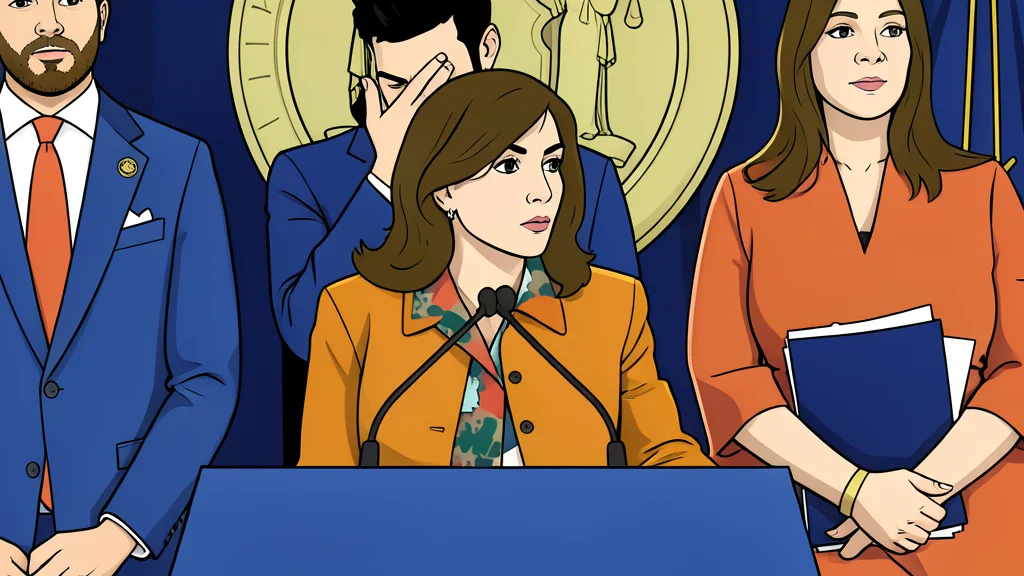
Large AI developers in New York must register and report safety incidents within three days starting in November.
Key points
- The RAISE Act requires large AI developers to register with New York and report safety incidents within 72 hours starting in November.
- Cybersecurity experts warn that the law may lack the flexibility needed to keep up with the rapid evolution of AI technology.
- Governor Kathy Hochul signed the bill in December 2025, aiming to balance innovation with safety despite concerns about regulatory lag.
New York is implementing a new regulatory framework that requires large artificial intelligence developers to register with the state and report significant safety incidents within 72 hours. The Responsible AI Safety and Education Act, signed into law by Governor Kathy Hochul in December 2025, takes effect in November and marks a significant shift in how the state oversees rapid technological advancements.
The legislation aims to balance innovation with public safety, acknowledging that while AI offers benefits, it also poses potential risks. However, experts warn that the fast-paced nature of the technology may outpace the speed at which regulations can be updated, creating a challenge for lawmakers to maintain relevant oversight.
Developers face new reporting duties
Under the RAISE Act, major AI companies must now operate under state jurisdiction, a move that places New York among the first jurisdictions to impose such specific safety reporting requirements. The 72-hour incident reporting window is designed to ensure that authorities and the public are informed quickly when systems fail or cause harm, rather than discovering issues months later.
Governor Hochul stated during a news conference that the state cannot ignore the potential for catastrophic impacts while harnessing the benefits of the technology. This approach reflects a broader political consensus that voluntary self-regulation by tech companies is no longer sufficient to protect New York residents.
Regulations struggle to keep pace
Paul Robinson, a cybersecurity consultant based in Rochester, described the law as a strong starting point but emphasized that it may need frequent updates. He noted that traditional legislation is often static, whereas AI technology evolves continuously, requiring a regulatory framework that can pivot quickly to address new capabilities and risks.
Robinson raised concerns about whether the act contains enough flexibility to adapt as the technology changes. He argued that while action is necessary now, the current framework might not be sufficient to handle the rapid evolution of AI systems, suggesting that future amendments will likely be required to keep the rules effective.
Residents debate long-term impacts
Public opinion in Rochester remains divided on the role of AI in daily life. Some residents, like student Colin Mrocazko, view the technology as a net positive, believing that people generally adapt to new tools and that the long-term benefits outweigh the initial disruptions.
Others, such as resident Ella Zack, expressed concern that society has not had enough time to consider the long-term consequences of such rapid adoption. This sentiment highlights the tension between technological progress and the public's desire for stability and understanding, a dynamic that state officials must navigate as they refine these new rules.