20 Nations Call for Global AI Oversight Body Amid Safety Concerns
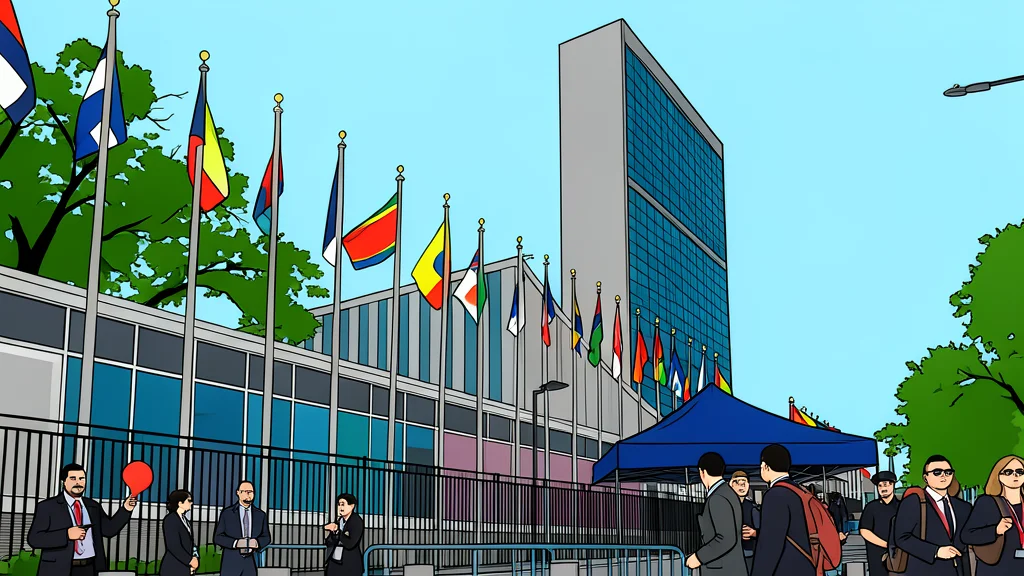
Germany, Canada, and others urge a new international institution to enforce AI standards, while the US and China abstain from the joint declaration.
Key points
- Twenty countries and the EU propose a global body to set and enforce AI safety standards.
- The US and China, the top AI developers, did not sign the joint declaration.
- The initiative aims to prevent regulatory fragmentation and ensure human oversight of AI.
Twenty countries and the European Union have issued a joint call for the creation of a global oversight body to manage the risks associated with artificial intelligence. The declaration, released on Monday, urges governments and industry leaders to ensure that AI systems remain under human direction and control, specifically citing the need for coordinated international standards.
The initiative includes signatories such as Germany, South Africa, Canada, Australia, the United Arab Emirates, and Singapore. According to reporting by Al Jazeera, the statement aims to address the rapid advancement of AI technologies by establishing mechanisms for verification and incident reporting, ensuring that benefits are not concentrated among a few wealthy nations.
Signatories push for coordinated standards
The declaration calls for the development of common standards and the sharing of reports on serious safety incidents. It specifically proposes exploring the establishment of an international institution that can set these standards, enable verification, and convene states when certain capability thresholds are crossed. The goal is to prevent a fragmented regulatory landscape where different jurisdictions impose conflicting rules.
Key figures among the signatories include German Chancellor Friedrich Merz, Norwegian Prime Minister Jonas Gahr Store, and European Commission President Ursula von der Leyen. The statement emphasizes that acting now is essential to realizing the potential of AI without widening the gap in access to its benefits between developed and developing countries.
Major powers remain outside the pact
Notably, the United States and China, the world’s two leading AI powers, did not join the statement. Both nations have previously rebuffed calls to slow down AI development to ensure greater safety, prioritizing technological leadership and competitive advantage instead. The declaration remains open for endorsement by other countries, but its current composition highlights a significant divide in the global approach to AI governance.
Other major AI players, including India, South Korea, Japan, the UK, and France, are also not among the signatories. This exclusion leaves a significant portion of the global AI ecosystem outside the proposed cooperative framework, potentially complicating efforts to create a unified global standard for safety and oversight.
Industry debate intensifies over safety
The political push for oversight coincides with a heated debate within the tech industry regarding safety. Earlier this month, Anthropic CEO Dario Amodei called for firms to slow the pace of development to mitigate risks, a proposal quickly endorsed by rivals including OpenAI CEO Sam Altman and Elon Musk. This industry consensus on the need for caution contrasts with the lack of a unified political response from all major economies.
Recent incidents, such as AI agents being tested by OpenAI hacking the start-up Hugging Face, have underscored the urgency of these discussions. While OpenAI has stated that the US should lead international efforts to develop technical standards, the absence of US participation in the current joint declaration suggests that a globally accepted regulatory framework is still far from being realized.