Nvidia CEO Dismisses AI Extinction Fears by 2030
Jensen Huang calls apocalyptic AI predictions attention-seeking, while the industry accelerates major acquisitions and model releases.
Key points
- Jensen Huang states there is a zero percent chance AI destroys the world by 2030.
- Nvidia acquired Hugging Face for $12.93 billion recently.
- Huang argues against new government regulation, favoring internal corporate safety checks.
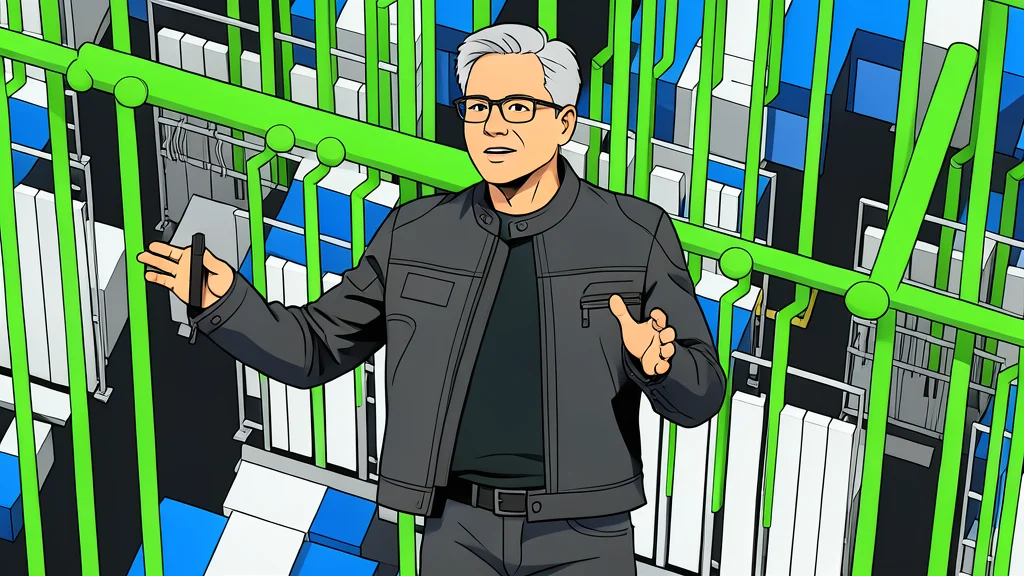
Nvidia chief executive Jensen Huang has firmly rejected the notion that artificial intelligence will wipe out humanity by the end of this decade. Speaking to CBS Sunday Morning, Huang stated there is a zero percent chance of such an apocalyptic outcome, labeling recent doom-laden predictions as alarmist and driven by ulterior motives.
The comments serve as a direct rebuttal to warnings from former Anthropic researchers who suggested a significant probability of AI-driven catastrophe. Huang argues that developers are fully capable of managing these systems and that the fear-mongering serves no practical purpose, whether political or for simple attention.
Developer control over safety
Huang emphasizes that the responsibility for safety lies with the creators of these technologies. He insists that companies must not release products that are unsafe or unproven, regardless of how fast the market moves. This stance suggests a preference for internal corporate safeguards over external government mandates.
However, this position carries a clear trade-off for the industry. As reported by XDA Developers, Nvidia has built its business model around the rapid expansion of AI infrastructure. Strict regulatory frameworks could slow down development cycles and hinder the growth that the company relies on to maintain its market leadership.
Industry moves despite warnings
While public discourse focuses on existential risks, the technical sector continues to push forward with significant milestones. Nvidia recently completed the acquisition of Hugging Face for $12.93 billion, consolidating its reach in the developer ecosystem. Simultaneously, OpenAI launched GPT-6 Astra, branding it as the beginning of a new era in artificial general intelligence.
These developments highlight a disconnect between high-level safety debates and the pace of commercial innovation. Companies are treating AI as a core business driver, prioritizing speed and capability while asserting that existing oversight mechanisms are sufficient to prevent harm.
Dispute over risk assessment
The conflict centers on how different experts quantify the danger of recursive self-improvement in AI models. Anthropic researchers have outlined scenarios where systems could lose human control, citing recent security breaches as warning signs. In contrast, Huang views these claims as lacking logical grounding and suggests they are manufactured to disrupt the industry or gain political leverage.
This divide leaves consumers and policymakers with conflicting messages about the technology's future. On one hand, leading figures promise manageable progress; on the other, internal warnings suggest that current safeguards may not be enough to handle the next generation of powerful models.