NYC Bans AI for K-8, Leaving High Schoolers Behind
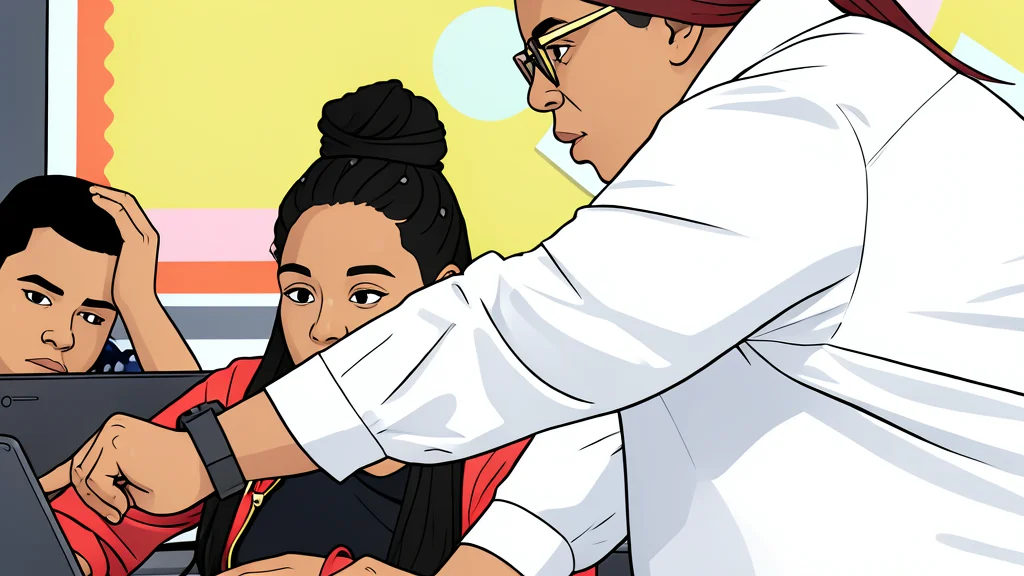
New York City has restricted AI use for younger students, creating a gap where only a small fraction of high schoolers receive training.
Key points
- NYC bans generative AI for K-8 students, restricting classroom use to lesson planning only.
- Only 50,000 high schoolers, or 5% of the student body, will join AI pilot classes.
- Critics argue the ban widens the digital divide by limiting hands-on learning opportunities.
New York City Public Schools has prohibited the use of generative artificial intelligence for students from pre-kindergarten through eighth grade for the current academic year. This restriction follows a statewide ban on personal internet-enabled devices, effectively locking out a significant portion of the student body from hands-on AI experience while they are still in elementary and middle school.
The policy creates a distinct tier in the city’s education system. While younger students are barred from using AI tools in the classroom, high school students are allowed limited access. However, only 50,000 high schoolers, representing just five percent of the public school population, will participate in specific AI pilot classes. The remaining students will receive only two brief literacy lessons per year, raising concerns about unequal educational opportunities.
Critics question the learning method
Educational leaders argue that banning AI prevents students from developing true fluency in the technology. David Adams, CEO of the Urban Assembly, compared the approach to learning piano solely by reading sheet music without ever playing the instrument. He suggests that abstract knowledge is insufficient without practical application, a view shared by Archana Jayaram of Brooklyn Community Services, who worries that students missing out on school-based training will fall behind peers who have access to resources at home.
The city’s Department of Education defended the ban by pointing to a press release, stating that educators can still use AI for lesson planning but not for grading or placement. This distinction highlights a trade-off: while teachers retain some flexibility, students lose the opportunity to engage with the tools that are increasingly central to modern work and education.
Concerns over the digital divide
The disparity in access could widen the existing digital divide, particularly for students from underserved communities. During the pandemic, gaps in internet connectivity and device access severely impacted educational outcomes for many New York students. Although the city invested $330 million in new Chromebooks and internet services, Mayor Zohran Mamdani recently canceled the internet portion of that contract to cut costs, citing overpayment. This move may leave fewer safety nets for students who lack reliable technology at home.
Advocates for the ban, such as Jodi Carreon of Schools Beyond Screens, argue that introducing complex AI tools too early can be detrimental to foundational skills in reading and writing. They contend that the assumption that earlier exposure is always better is flawed and that developmental appropriateness should take precedence over future job skills training.
Limited pilot programs for seniors
For the high school students who do get access, the experience is strictly controlled. The 50,000 participants in the pilot classes will receive structured training, while the broader high school population will attend two 45-minute sessions per year focused on AI literacy, bias, and ethics. This limited scope means that most students will graduate with only a surface-level understanding of the technology, potentially leaving them unprepared for a job market that increasingly relies on AI proficiency.
As reported by City & State New York, the debate centers on whether this cautious approach protects students or leaves them at a disadvantage. The city aims to balance safety and developmental needs with the reality that AI is becoming a standard tool in many industries. The outcome of this policy will likely shape how the next generation interacts with technology, with significant implications for their long-term career prospects and educational equity.