Samsung Patent Details Mixed-Data Approach for Watch Glucose Tracking
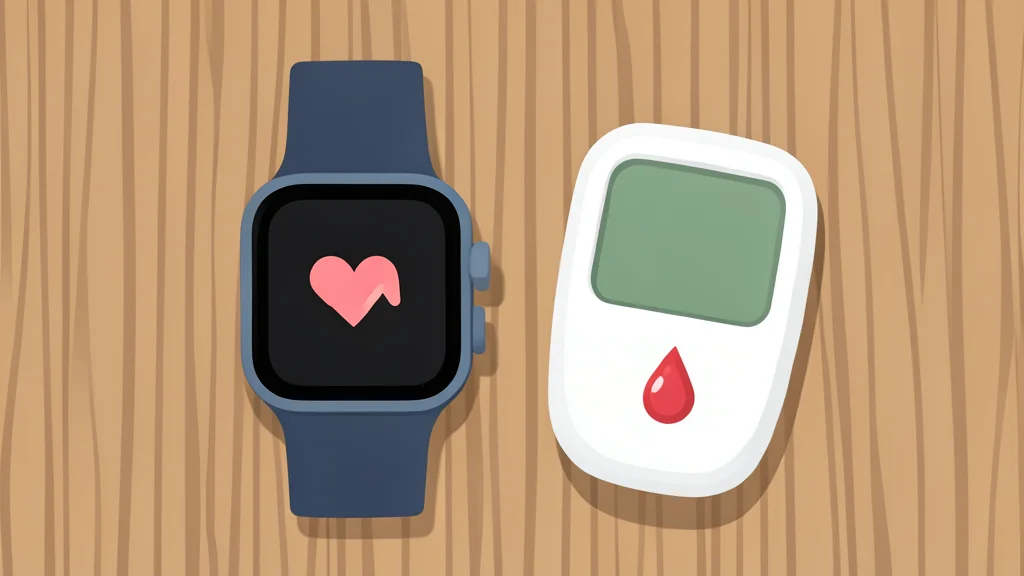
New filing suggests Galaxy Watch may use external glucose data to calibrate internal biometric sensors, though the method is not confirmed for release.
Key points
- A European patent filed by Samsung describes a method for calibrating wearable glucose sensors using external device data.
- The system combines biometric signals from the watch with external glucose results to improve future noninvasive readings.
- Samsung executives confirm ongoing research into reliable noninvasive blood sugar tracking, but no release date has been announced.
Samsung has filed a patent describing a method for wearable blood sugar monitoring that relies on combining internal biometric signals with external glucose readings. The filing, which became public in Europe, outlines a system where a smartwatch uses data from a separate device to create calibration points for future noninvasive measurements.
According to reports from SammyGuru, this approach represents one of several methods the company is exploring to solve the long-standing challenge of accurate, noninvasive glucose tracking. While Samsung executives have stated they are working to improve reliability, the technology remains difficult to implement without frequent calibration using traditional testing methods.
Patent describes data fusion method
The specific patent application, identified as EP4803002A1, details a workflow where the wearable device collects biometric information from the user. When an external device provides a glucose result, the system combines these two data sources to generate calibration data. This calibrated model can then be used to interpret new biometric signals without immediate external verification.
This hybrid approach addresses a common limitation in current wearable health tech, where optical or electrical sensors often lack the precision to measure blood sugar levels accurately on their own. By anchoring the sensor’s output with known values from an external source, the system aims to improve the accuracy of subsequent estimates over time.
Technology remains in research phase
Despite the detailed filing, the patent does not guarantee that this specific method will appear in upcoming Galaxy Watch models. Samsung has a history of researching features that may take years to mature or may never reach the consumer market. The company could choose to refine this technology further or pursue an entirely different technical path for future products.
Senior executives have acknowledged that noninvasive blood sugar monitoring is one of the most challenging areas in digital health. Choi Jong-min, Senior Vice President of the Digital Health Team, noted that the company is adopting a multifaceted strategy involving internal research and collaboration with external startups to overcome these technical hurdles.
Context of existing health features
Samsung’s smartwatches currently offer a range of health metrics, including electrocardiogram readings, blood pressure monitoring, and body composition analysis. Blood sugar tracking remains a significant gap in these capabilities, particularly for users managing diabetes or prediabetes who currently rely on finger-prick tests for accurate readings.
The push for this feature reflects broader industry trends, as competitors also seek to integrate continuous glucose monitoring into wearable devices. However, the trade-off for users in the current era is often the need for regular calibration with a finger-prick method, which undermines the convenience that wearables are designed to provide.