NYC Bans AI for K-8 Students, Sparking Digital Divide Fears
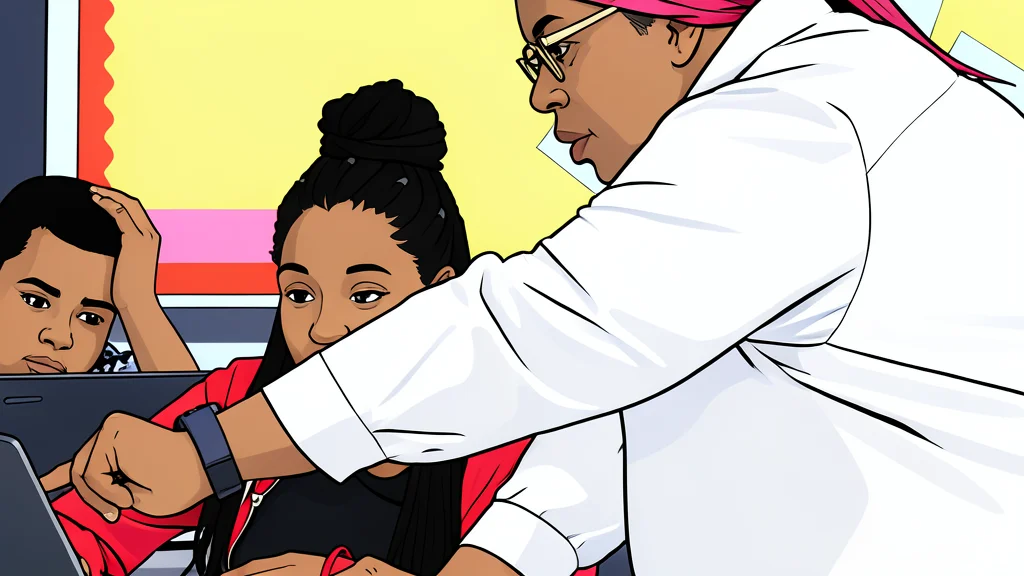
New York City schools prohibit generative AI for elementary and middle schoolers, limiting high school access to small pilots.
Key points
- NYC Public Schools bans generative AI for K-8 students and restricts its use in grading and placement decisions.
- Critics argue the ban widens the digital divide by denying hands-on AI experience to students without private access.
- Only 50,000 high school students will access limited AI pilots, while others receive brief literacy lessons.
New York City Public Schools has implemented a blanket ban on generative artificial intelligence for students in grades kindergarten through eight. The policy, effective for the current school year, follows a statewide prohibition on personal internet-enabled devices and restricts educators from using AI for grading or student placement decisions.
While the administration cites developmental concerns, educators and nonprofit leaders warn that the restriction may deepen existing socioeconomic gaps. Critics argue that limiting hands-on exposure prevents students from developing critical digital fluency, potentially leaving those without private access at home behind.
Educators warn of widening skill gaps
David Adams, CEO of the Urban Assembly, compared the ban to learning piano solely by reading sheet music. He argued that abstract knowledge of AI is insufficient without practical application, a view shared by Archana Jayaram of Brooklyn Community Services. Jayaram emphasized that students with access to coding camps or home technology will retain an advantage, creating a two-tier system of digital literacy.
The concern is rooted in the digital divide exposed during the pandemic, when connectivity gaps led to unequal educational outcomes. Proponents of the ban, however, argue that prioritizing foundational skills in reading and math is more important than early technological exposure. Jodi Carreon of Schools Beyond Screens questioned the assumption that earlier access to complex tools always benefits young learners.
High schoolers face limited pilot access
The ban does not apply to high school students, but access remains strictly controlled. Only a maximum of 50,000 students, representing five percent of the public school population, will participate in five limited AI pilot classes. All other high schoolers will receive two 45-minute sessions on AI literacy, bias, and ethics per year, offering minimal practical experience.
Context of recent technology investments
This policy shift occurs amid significant financial changes in student technology. The city recently invested $330 million to provide 350,000 new Chromebooks, though Mayor Zohran Mamdani subsequently canceled the included T-Mobile internet service to reduce costs. City & State New York reported that the administration claimed the original contract paid for unnecessary services, a decision that adds another layer to the debate over resource allocation in schools.